Is Sedation Dentistry Safe? Risks, Benefits, and Questions to Ask

Yes. For healthy adults, sedation dentistry is very safe when it is provided by a trained, permitted dentist who reviews your health history, chooses the right level of sedation, and monitors you throughout treatment. Nitrous oxide carries the lowest risk and wears off within minutes. Oral and IV conscious sedation are deeper and require more screening, monitoring, and a driver home. The main risks, such as breathing that slows too much, interactions with other medications, nausea, or grogginess afterward, are uncommon and largely preventable with careful planning. People with sleep apnea, significant heart or lung conditions, or certain medications need extra evaluation before deeper sedation.
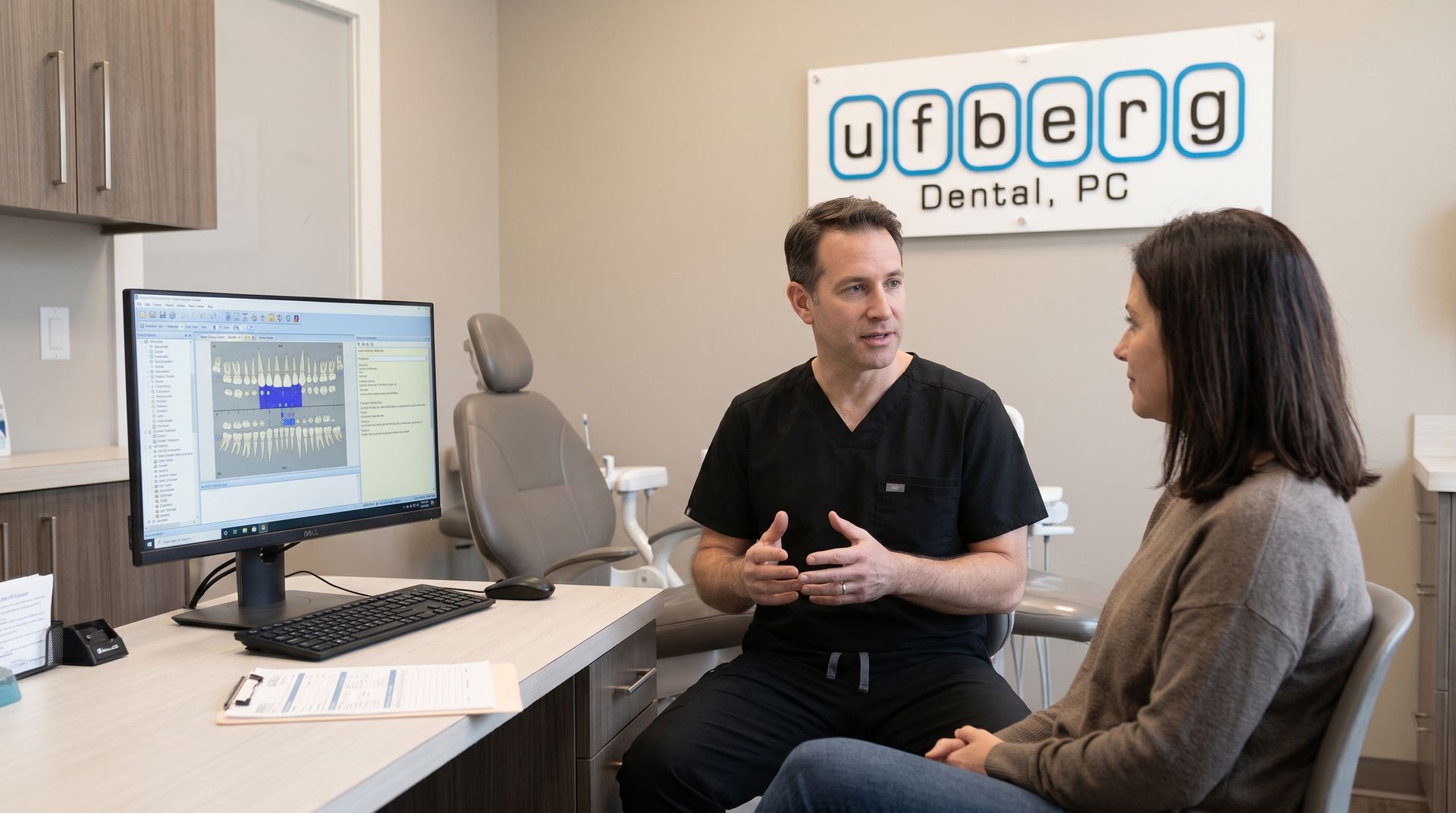
Ufberg Dental, PC is a family, cosmetic, and restorative practice at 664 W. Lancaster Avenue in Berwyn, serving patients across the Main Line. Dr. Aaron Ufberg earned his Doctor of Dental Medicine at the University of Pittsburgh and completed a hospital residency at Allegheny University Hospital, and our practice offers nitrous oxide, oral conscious sedation, and IV conscious sedation using established protocols tailored to each patient. This guide focuses specifically on safety: what the real risks are, who needs extra planning, and how Pennsylvania regulates sedation in dental offices.
In This Guide
- How Safe Is Each Type of Dental Sedation?: Nitrous, oral, and IV compared.
- Possible Risks and Side Effects: What can happen.
- Who May Need Extra Planning: Health factors that matter.
- How Pennsylvania Regulates Dental Sedation: Permits and requirements.
- How Dentists Keep Sedation Safe: Screening, monitoring, and recovery.
- Benefits That Support Safer Care: Why sedation can reduce risk.
- Your Role in a Safe Sedation Visit: What patients should do.
- Common Myths About Sedation Safety: Clearing up misconceptions.
- Questions to Ask Before Sedation: A checklist.
- Frequently Asked Questions: Quick answers.
How Safe Is Each Type of Dental Sedation?
Sedation is not one thing. The level of sedation, and the safety precautions it requires, depend on the method.
| Sedation Type | How Deep | Recovery | Key Safety Considerations |
|---|---|---|---|
| Nitrous oxide (laughing gas) | Light, you stay awake | Wears off within minutes after the gas stops | Very low risk; some people feel brief nausea or lightheadedness |
| Oral conscious sedation | Moderate, relaxed and drowsy but able to respond | Several hours of grogginess | Requires health screening, monitoring, and a driver home |
| IV conscious sedation | Moderate, adjusted in real time | Several hours of grogginess | Requires continuous monitoring, trained staff, and a driver home |
| General anesthesia | Fully unconscious | Longest recovery | Requires specialized anesthesia training and permits; used less often |
Nitrous Oxide
Nitrous oxide is breathed through a small nose mask mixed with oxygen. It has been used in dentistry for well over a century, it acts quickly, and its effects fade within minutes after the gas is turned off. Many patients can drive themselves home once the gas has worn off and they feel normal.
Oral Conscious Sedation
A prescribed medication taken before the appointment produces a deeper state of relaxation. Patients can still respond to the dentist but often remember little of the visit. Because the effect cannot be turned off instantly, careful dosing and screening matter most.
IV Conscious Sedation
Medication is delivered through a small IV line, which lets the dentist adjust the level of sedation throughout treatment. That fine control is one reason IV sedation is often chosen for longer or more complex procedures. Learn more on our
sedation dentistry page.
Possible Risks and Side Effects
Being informed about risks is part of making a safe choice. Possible side effects and complications include:
- Grogginess and drowsiness for several hours after oral or IV sedation.
- Nausea or vomiting, more common if instructions about eating beforehand are not followed.
- Headache or dry mouth after the visit.
- Bruising or tenderness at an IV site.
- Slowed or shallow breathing, the most important risk with deeper sedation, which is why breathing and oxygen levels are monitored throughout.
- Low blood pressure or changes in heart rate.
- Allergic reactions to sedative medications, which are rare.
- Drug interactions with other prescriptions, supplements, alcohol, or recreational substances.
- Paradoxical reactions, where a patient feels agitated instead of relaxed, which are uncommon.
Putting Risk in Perspective
Most patients experience nothing more than mild grogginess. Serious complications are rare when the dentist screens carefully, uses appropriate doses, monitors continuously, and is prepared to respond if anything changes.
Who May Need Extra Planning
Sedation can still be an option for many people with health conditions. They may simply need more evaluation, a lighter level of sedation, or coordination with their physician.
Sleep Apnea and Breathing Conditions
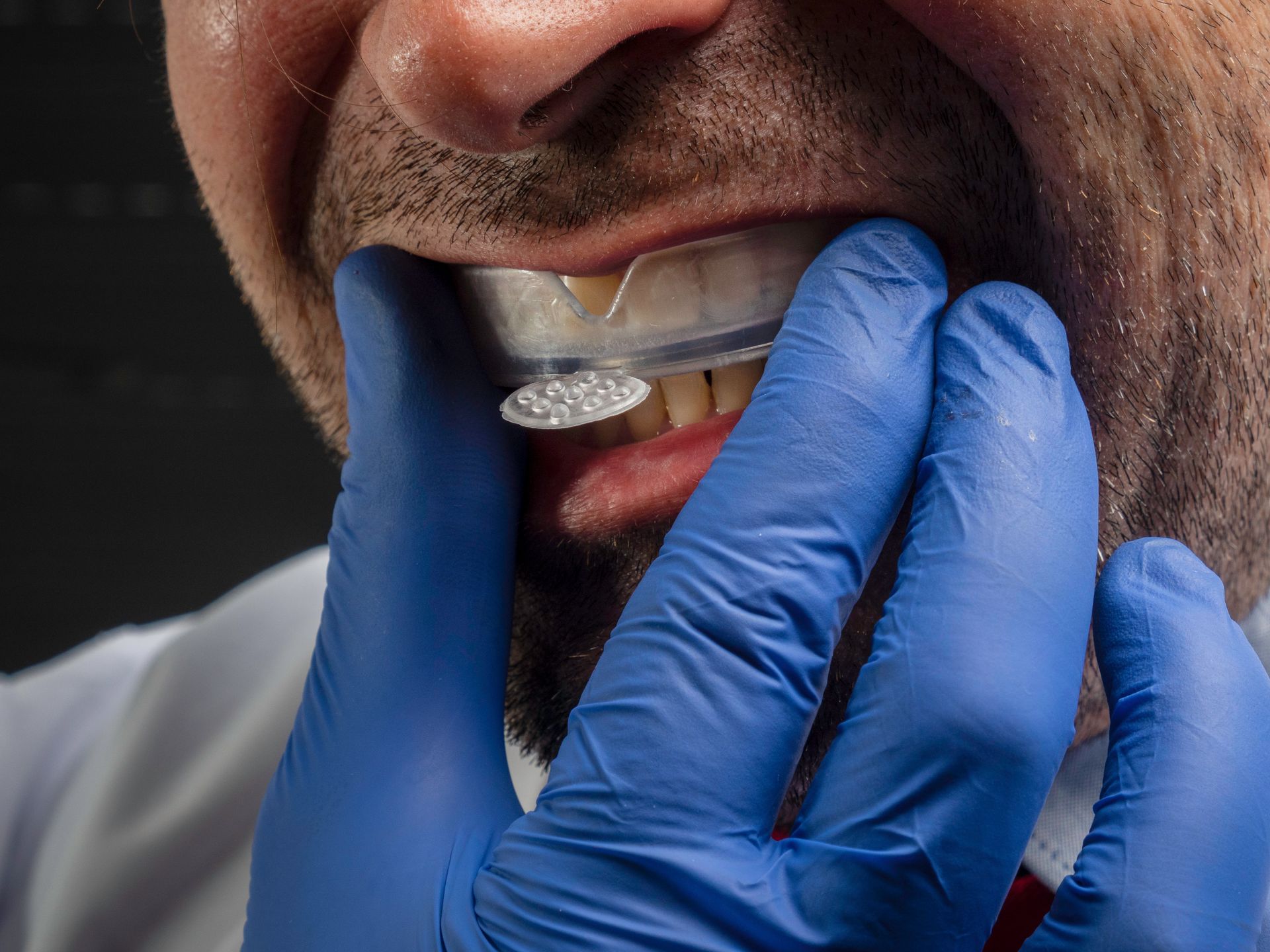
People with obstructive sleep apnea, COPD, or severe asthma may be more sensitive to medications that relax breathing. Deeper sedation requires careful assessment. If you use a CPAP machine or an oral appliance for sleep apnea, tell your dentist. Our guide to sleep apnea mouth guards explains how dentists help with sleep issues.
Heart Conditions and High Blood Pressure
Uncontrolled blood pressure or significant heart disease may change which sedation is appropriate.
Medications
Opioids, benzodiazepines, sleep aids, some antidepressants, and other medications can interact with sedatives. Bring a complete list, including supplements.
Pregnancy
Elective sedation is generally avoided during pregnancy. Talk with both your dentist and obstetrician.
Older Adults
Older patients often need lower doses and closer attention to medications they already take.
Children
Pediatric sedation requires additional training. In Pennsylvania, dentists who use conscious sedation with children must maintain current Pediatric Advanced Life Support certification.
Body Weight and Airway
Higher body weight and certain airway features can make breathing during sedation more delicate. Your dentist will evaluate this during screening.
How Pennsylvania Regulates Dental Sedation
One of the best safeguards for patients is state regulation. Pennsylvania's State Board of Dentistry requires dentists to hold a permit before administering sedation or anesthesia in a dental office.
Types of Permits
The Board issues three main permit levels. An unrestricted permit allows general anesthesia, deep sedation, conscious sedation, and nitrous oxide. A restricted permit I allows conscious sedation and nitrous oxide. A restricted permit II allows nitrous oxide only.
Training and Continuing Education
Permit applicants must complete Board-approved training related to the level of sedation they provide, and permit holders must complete continuing education to renew. Dentists who sedate children must hold current PALS certification.
Office Requirements
Permit holders are subject to clinical evaluations and office inspections, and the Board must be notified before an office is first used for sedation. These rules cover equipment, staffing, and emergency preparedness.
Why This Matters to You
You have every right to ask whether your dentist holds the appropriate Pennsylvania sedation permit for the type of sedation being offered. A qualified office will answer clearly.
How Dentists Keep Sedation Safe
Safety comes from a series of steps before, during, and after treatment.
Before Treatment
A thorough review of your medical history, medications, allergies, previous experiences with sedation, and any breathing or heart conditions. Your dentist then recommends the lowest level of sedation that will keep you comfortable for the planned procedure.
Clear Instructions
You receive written instructions on eating and drinking before deeper sedation, which medications to take or pause, and transportation arrangements.
During Treatment
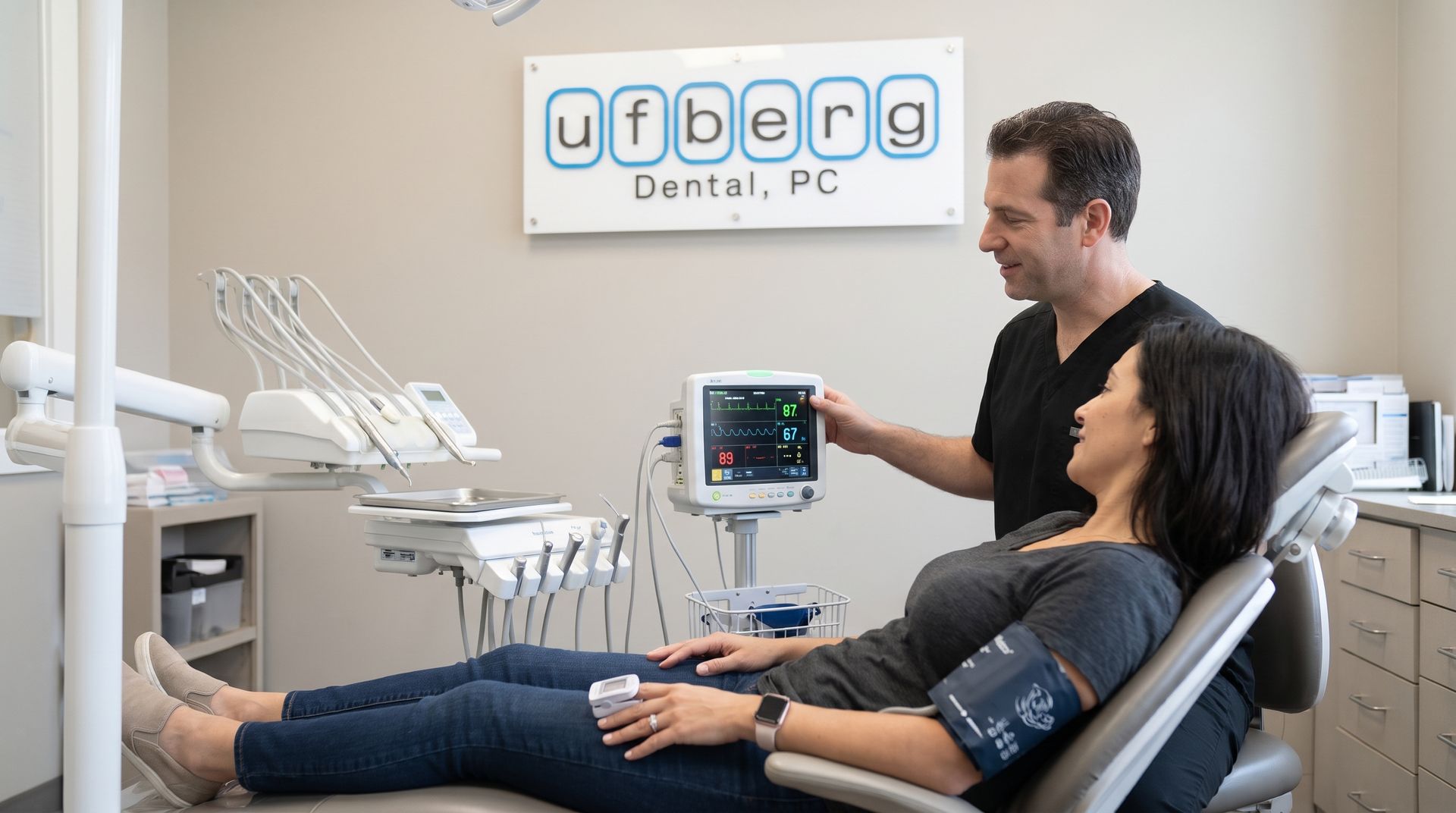
Vital signs, including oxygen levels, heart rate, and blood pressure, are monitored throughout. The team watches your breathing and responsiveness and adjusts as needed. Emergency equipment and medications are kept ready.
After Treatment
You rest in the office until you are stable and alert enough to leave with your driver. You go home with written recovery instructions and a way to reach the office.
Benefits That Support Safer Care
Sedation is about more than comfort. In many situations, it makes dental care safer and more effective.
Less Stress on the Body
Severe anxiety raises heart rate and blood pressure. Sedation can keep anxious patients calmer and more stable during treatment.
Fewer Sudden Movements
A relaxed patient is less likely to flinch or move suddenly, which helps the dentist work precisely.
Better Control of the Gag Reflex
Sedation can reduce a strong gag reflex, making treatment smoother and safer.
Completing Needed Care
Many people delay dental care because of fear, and small problems become infections and emergencies. Sedation helps patients get treatment before that happens. Our guide on
sedation dentistry for dental anxiety explains how sedation helps anxious patients return to care.
Your Role in a Safe Sedation Visit
Patients play an important part in sedation safety.
Before Your Appointment
Share your complete health history and medication list, follow eating and drinking instructions exactly, avoid alcohol beforehand, and arrange a responsible adult to drive you to and from oral or IV sedation appointments.
After Your Appointment
Rest for the remainder of the day. Do not drive, operate machinery, make important decisions, or drink alcohol until the effects have fully worn off, typically by the next day for oral or IV sedation. Have someone stay with you for several hours.
When to Call
Contact the office if you have persistent vomiting, unusual drowsiness that does not improve, trouble breathing, or any symptom that worries you. For trouble breathing or a medical emergency, call 911.
Common Myths About Sedation Safety
"Sedation Means Being Put to Sleep"
Most dental sedation is conscious sedation. You remain able to breathe on your own and respond to the dentist, even if you remember little afterward. General anesthesia is a different level of care and is used far less often.
"If I'm Healthy, Screening Doesn't Matter"
Even healthy patients take medications or supplements that can interact with sedatives. A full review protects everyone.
"Stronger Sedation Is Always Better"
The safest choice is the lightest level that keeps you comfortable for the procedure. Many anxious patients do well with nitrous oxide alone, while others benefit from oral or IV sedation for longer visits.
Questions to Ask Before Sedation
Bringing these questions to your consultation can help you feel confident:
- What type and level of sedation do you recommend for my procedure, and why?
- Do you hold the appropriate Pennsylvania permit for this type of sedation?
- What training does your team have in sedation and emergency response?
- How will my breathing, oxygen level, and heart rate be monitored?
- How do my medications and health conditions affect the plan?
- What should I do the day before and the day of treatment?
- How long will recovery take, and who should I call afterward?
A clear, unhurried answer to each question is a good sign. If you are still deciding whether sedation makes sense, our guide to
sedation dentistry in Berwyn covers options and candidacy.
Sedation for Common Procedures
Sedation is often used for longer or more involved treatment, such as dental implant placement, extractions, root canals, and multiple fillings in one visit. If you are considering implants, our guides on
whether dental implants hurt and
recovery from dental implants explain what to expect. If you are weighing tooth replacement options, see our comparison of
dental implants vs. dental bridges.
Talk With Us About Safe, Comfortable Dental Care
If dental anxiety has kept you from care, or you are facing a longer procedure, our team can review your health, explain your sedation options, and build a plan focused on both comfort and safety. Learn more about our approach in our guide to sedation dentistry on the Main Line.
Call Ufberg Dental at (610) 251-2227 to schedule a consultation. We are located at 664 W. Lancaster Avenue in Berwyn and serve patients throughout the Main Line.
Frequently Asked Questions
Is sedation dentistry safe for adults?
For most healthy adults, yes. Sedation dentistry is considered safe when provided by a trained, permitted dentist who screens your health history and monitors you throughout treatment.
What are the risks of oral sedation at the dentist?
Common effects include drowsiness, grogginess, and occasionally nausea. Less common risks include slowed breathing, low blood pressure, and medication interactions, which is why screening and monitoring are essential.
Is IV sedation safer than oral sedation?
Both are safe when properly administered. IV sedation allows the dentist to adjust the level of sedation in real time, while oral sedation is taken in advance and takes longer to wear off. The best choice depends on your health and procedure.
Can I drive after dental sedation?
After nitrous oxide alone, many patients can drive once the gas has worn off. After oral or IV sedation, you need a responsible adult to drive you home, and you should not drive for the rest of the day.
Who should not have sedation dentistry?
People with certain uncontrolled heart or lung conditions, severe untreated sleep apnea, pregnancy, or specific medication combinations may not be good candidates for deeper sedation. Many can still receive nitrous oxide or a modified plan.