Recovery From Dental Implants: Healing Timeline, Normal Pain, and Warning Signs

At Ufberg Dental, we have helped countless patients in the Berwyn area through the dental implant process, from the initial consultation all the way through full recovery. Our team has the hands-on experience to guide you through every stage of healing, and we know that after surgery, most patients have the same questions: Is this pain normal? How long will this take? What should I watch out for? This guide gives you straight, honest answers based on real clinical experience, so you know exactly what to expect and when to call us.
What to Expect During Recovery From Dental Implants
Recovery from dental implants is a process, not a single event. Your body needs time to heal the gum tissue, adjust to the implant, and, most importantly, fuse the implant to your jawbone. Understanding why this takes time can help you feel more confident and less anxious throughout the process.
Why Healing Happens in Stages
Dental implant recovery happens in layers. First, the soft tissue around the implant heals. Then, over the following months, your jawbone slowly grows around and bonds with the implant in a process called osseointegration. Each stage has its own timeline and its own set of normal symptoms. Rushing the process or skipping aftercare steps can interfere with healing, which is why following your dentist's instructions closely matters so much.
Why Recovery Time Can Vary From Person to Person
No two patients heal at exactly the same pace. Your overall health, age, oral hygiene habits, and whether you needed a bone graft or tooth extraction before your implant can all affect how quickly you recover. Someone who is healthy, a non-smoker, and had a straightforward single implant placement may feel back to normal within a week or two. Someone with a more complex case may need more time and patience.
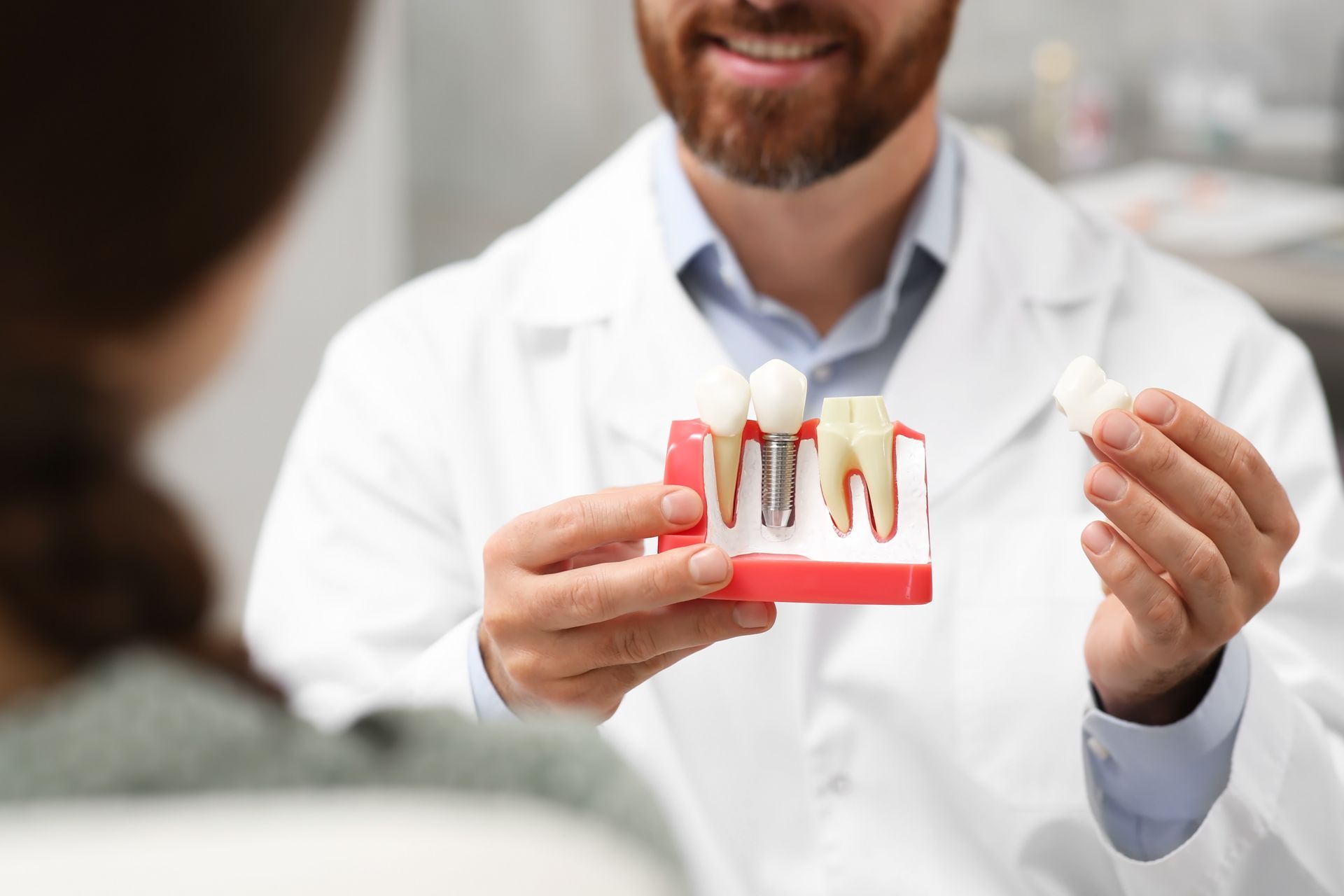
The Dental Implant Healing Timeline
The First 24 to 48 Hours
The first two days after surgery are typically the most uncomfortable. You can expect swelling, mild bleeding, and soreness around the implant site. This is completely normal, it is your body's natural response to surgery. Rest as much as possible, keep your head elevated when lying down, apply ice packs to the outside of your face in 20-minute intervals, and take any prescribed medications as directed. Avoid rinsing, spitting forcefully, or touching the area with your tongue or fingers.
Week 1: Early Healing and Peak Discomfort
Swelling usually peaks around day 2 or 3 and then begins to go down. Bruising may appear on your cheek or jaw, this is normal and will fade. Most patients find that discomfort is manageable with over-the-counter pain relievers like ibuprofen. By the end of the first week, many patients feel noticeably better, though the area will still be sensitive. A follow-up appointment is often scheduled around this time to check on healing.
Weeks 2 to 4: Healing Becomes Easier
By the second week, most of the initial swelling and bruising should be gone. The gum tissue around the implant will continue to heal and close. Many patients return to their normal routines during this period, though you should still be cautious about what you eat and how you care for the area. Sensitivity will continue to decrease week by week.
Months 1 to 6: Osseointegration and Deeper Bone Healing
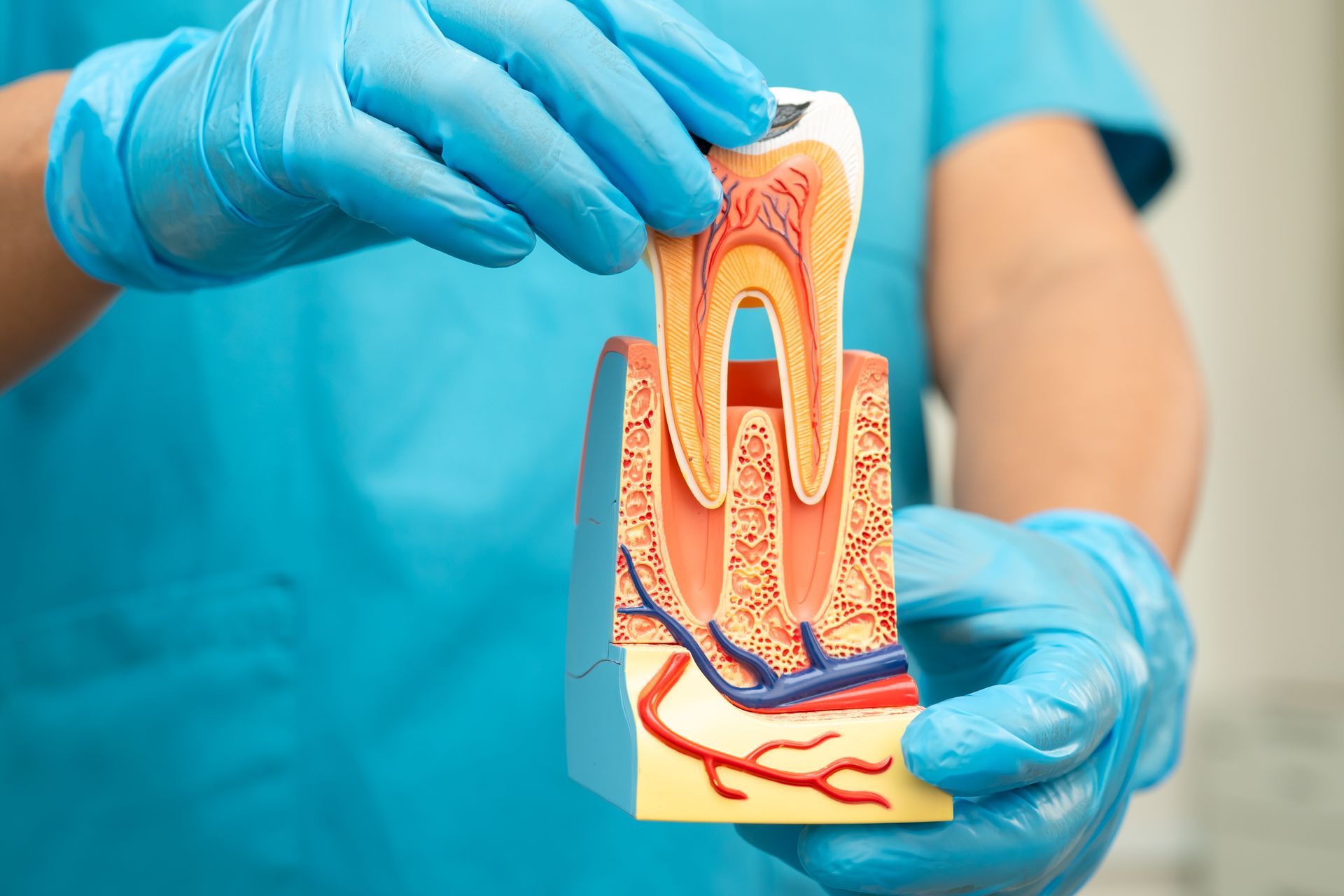
This is the most important phase of the entire process. Osseointegration, the bonding of the implant to your jawbone, takes place over several months. You likely won't feel much during this phase, but a great deal is happening beneath the surface. Your body is literally growing bone tissue around the implant, making it a stable and permanent part of your jaw. It is critical not to disrupt this process by putting excessive pressure on the implant or skipping follow-up visits.
Final Restoration and Long-Term Stability
Once osseointegration is complete and your dentist confirms the implant is fully integrated, the final crown or restoration is placed on top of the implant. At this point, your implant should feel and function just like a natural tooth. With proper care, dental implants can last a lifetime.
Dental Implant Recovery at a Glance
Use this table as a quick reference for what to expect at each stage of recovery:
| Stage | Timeframe | What You May Feel | What to Do |
|---|---|---|---|
| Immediate post-op | First 24–48 hours | Swelling, soreness, minor bleeding | Rest, ice packs, take medications |
| Early healing | Week 1 | Peak swelling and bruising, tenderness | Soft foods, gentle rinsing, follow-up visit |
| Active healing | Weeks 2–4 | Decreasing discomfort, gums closing | Resume light activity, continue soft diet |
| Osseointegration | Months 1–6 | Little to no pain, implant stabilizing | Keep follow-up appointments, good oral hygiene |
| Final restoration | Month 3–6+ | Normal function returning | Crown or restoration placed, resume normal eating |
What Normal Pain After Dental Implants Feels Like
Mild Soreness, Pressure, and Tenderness
Normal post-surgical pain feels like a dull ache or pressure around the implant site. It should be manageable, not sharp, not unbearable, and not spreading to other areas. Most patients describe it as similar to the soreness you feel after having a tooth pulled.
Swelling, Bruising, and Minor Bleeding
Some swelling around the gums and cheek is expected in the first few days. Light bruising on the face or jaw is also common. Minor bleeding or pinkish saliva in the first 24 hours is normal. If bleeding is heavy or won't stop, contact our office.
How Long Normal Discomfort Usually Lasts
For most patients, the worst discomfort passes within 3 to 5 days. Mild tenderness may linger for up to two weeks. If pain is increasing rather than decreasing after the first few days, that is a sign something may need attention.
What the Implant Site May Look Like as It Heals
What Is Normal in the First Week
In the first week, the gum tissue around the implant may look swollen, slightly red, and tender. There may be a small amount of white or yellowish tissue forming over the site, this is normal healing tissue, not a sign of infection. Some sutures may be visible if they were placed during surgery.
What Changes by Week 4
By week four, the gum tissue should look much more settled. Swelling and redness should be largely resolved. The area around the implant should look pink and healthy, similar to the surrounding gum tissue.
What Healing Looks Like During Osseointegration
During osseointegration, the surface of the gum may look completely normal while the real healing is happening deep in the bone. This is why follow-up X-rays are so important, your dentist can see what is happening below the gumline even when everything looks fine on the surface.
Warning Signs Something May Be Wrong
Most implant recoveries go smoothly, but it is important to know the signs that something may not be healing correctly. Contact our office right away if you experience any of the following:
- Pain that gets worse after day 3 or 4 instead of gradually improving
- Swelling, redness, or heat around the site that returns or increases after it had improved
- Fever of 101°F or higher
- Pus, discharge, or a persistent bad taste or smell from the implant site
- The implant feels loose, shifts, or moves at all
- Trouble biting, uneven pressure, or pain when closing your mouth
These symptoms do not always mean something has gone seriously wrong, but they do need to be evaluated promptly. Catching a potential issue early gives us the best chance of correcting it before it affects the long-term outcome of your implant.
Pain That Gets Worse Instead of Better
Pain that increases after the first 3 to 5 days, rather than gradually improving, is not normal. Worsening pain can be a sign of infection, a failed implant, or nerve irritation that needs to be evaluated right away.
Swelling, Redness, or Heat That Returns or Increases
Some swelling early on is expected, but swelling that comes back after it had improved, or that continues to grow, may indicate infection or an immune response to the implant.
Fever, Pus, or Bad Taste in the Mouth
A fever, discharge from the implant site, or a persistent bad taste or smell in your mouth are all signs of potential infection. Do not wait on these symptoms, call us right away.
Implant Movement or Shifting
A properly placed dental implant should not move. If you feel the implant shifting, clicking, or wobbling, it may mean osseointegration has not occurred properly. This needs to be addressed before the final restoration is placed.
Trouble Biting or Pressure That Does Not Feel Normal
Some sensitivity to pressure is normal early in recovery. But if biting down feels off, painful, or uneven weeks into recovery, it may mean the implant needs to be evaluated for alignment or integration issues.
Dental Implant Aftercare Tips That Support Healing
How to Care for the Area in the First 24 Hours
- Do not rinse, spit forcefully, or use a straw
- Apply ice packs to the outside of your face, 20 minutes on, 20 minutes off
- Keep your head elevated, even when sleeping
- Take all prescribed medications as directed
- Eat only soft foods and avoid the surgical site when chewing
How to Clean Your Mouth After Surgery
Do not brush directly on the implant site for the first 24 hours. After that, gently brush the surrounding teeth and rinse with a warm saltwater solution (half a teaspoon of salt in a glass of warm water) two to three times a day. Avoid mouthwashes that contain alcohol during early healing.
Foods to Eat and Foods to Avoid
Good choices during recovery:
- Yogurt, applesauce, and smoothies
- Mashed potatoes, scrambled eggs, and soft pasta
- Soup (not too hot) and oatmeal
- Soft fish and well-cooked vegetables
Foods to avoid:
- Hard, crunchy, or chewy foods
- Spicy or very hot foods
- Alcohol
- Foods with small seeds or particles that could get into the surgical site
Habits to Avoid During Recovery
- Smoking, Smoking significantly slows healing and increases the risk of implant failure
- Drinking through a straw, The suction can disturb the healing tissue
- Touching the site, Keep your fingers and tongue away from the area
- Strenuous exercise, Avoid intense physical activity for at least the first few days, as it can increase bleeding and swelling
Factors That Can Affect Recovery Time
Smoking and Oral Hygiene
Smoking is one of the biggest risk factors for a complicated or failed implant recovery. It reduces blood flow to the healing tissue, weakens the immune response, and significantly slows osseointegration. Poor oral hygiene can have a similar effect by introducing bacteria to the implant site. Patients who brush, floss, and follow aftercare instructions consistently tend to heal faster and with fewer complications. Our preventative dentistry services can help you build the habits that protect your implant long-term.
Bone Grafting, Multiple Implants, or Extractions
If you needed a bone graft before your implant, had a tooth extracted at the same time, or are recovering from multiple implants, your recovery will naturally take longer. More surgical work means more tissue that needs to heal, and osseointegration for multiple implants can extend the timeline significantly.
Health Conditions That May Slow Healing
Certain health conditions, including diabetes, autoimmune disorders, and osteoporosis, can slow healing and increase the risk of implant complications. Some medications can also affect bone density and healing. Always keep your dental team fully informed about your health history and any medications you are taking.
Recovery After Single vs. Multiple Dental Implants
What May Heal Faster
A single implant in a healthy patient with no need for bone grafting or extraction tends to have the fastest, most straightforward recovery. Gum tissue typically heals within a few weeks, and osseointegration can be complete in as little as 3 to 4 months in ideal conditions.
When Recovery May Take Longer
Multiple implants, full-arch restorations, or cases involving bone grafts can extend the recovery timeline to 6 months or longer. In these cases, your dentist will monitor healing closely through follow-up appointments and X-rays to make sure everything is progressing properly before placing the final restorations. Learn more about what to expect on our dental implants page.
When to Call Your Dentist During Implant Recovery
Symptoms That Should Be Checked Right Away
Do not wait for your next scheduled appointment if you experience any of the following:
- Pain that is getting worse after day 3 or 4
- Swelling or redness that is increasing rather than improving
- Fever of 101°F or higher
- Pus, discharge, or a strong bad taste coming from the implant site
- The implant feels loose or like it is moving
- Difficulty opening your mouth or swallowing
Why Follow-Up Visits Matter
Follow-up visits are not optional, they are a critical part of a successful implant outcome. These appointments allow us to check the healing tissue, take X-rays to monitor osseointegration, and catch any early warning signs before they become bigger problems. Even if you feel completely fine, please keep all scheduled follow-up appointments. Your implant's long-term success depends on it.
If you have concerns during your recovery, our team is always here to help. Contact us and let us know what you are experiencing, we would rather hear from you early than have a small issue turn into a bigger one.
Frequently Asked Questions About Dental Implant Recovery
How long does it take to fully recover from dental implants?
Full recovery, including osseointegration, typically takes 3 to 6 months. However, most patients feel comfortable and back to their normal routine within 1 to 2 weeks after surgery. The longer phase of healing happens beneath the surface as your jawbone bonds with the implant.
Is it normal for my implant to hurt after a week?
Mild tenderness after a week is normal, but pain should be steadily decreasing, not increasing. If you are still experiencing significant pain after 5 to 7 days, or if the pain is getting worse, contact our office so we can evaluate the site and make sure everything is healing properly.
Can I go back to work the day after dental implant surgery?
Many patients return to a desk job or light activity within 1 to 2 days. However, if your job involves physical labor or strenuous activity, you may need to take a few extra days off. Listen to your body and follow your dentist's specific instructions based on your procedure.
What does a failed dental implant feel like?
A failing implant may feel loose or like it is shifting. You may also notice increasing pain, swelling that returns after improving, or a persistent bad taste in your mouth. These are warning signs that should be checked immediately. When caught early, many implant issues can be corrected before the implant fails completely.
How do I know if my dental implant is healing correctly?
A healing implant should feel less painful and tender with each passing day. The gum tissue around it should gradually look more pink and normal, and by weeks 2 to 4, most visible swelling and bruising should be gone. Your dentist will confirm proper osseointegration through follow-up X-rays over the following months.