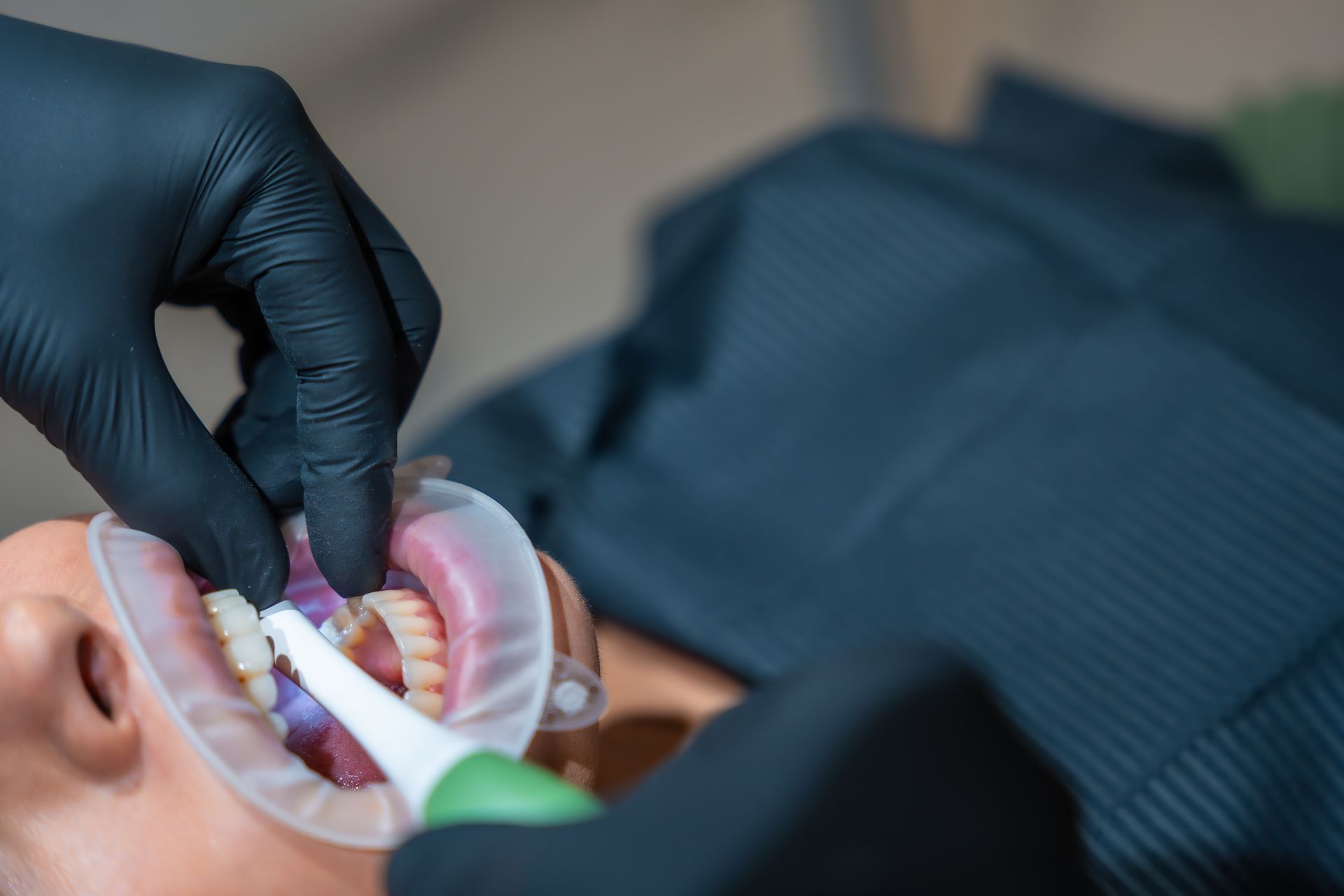
Cosmetic Dentist on the Main Line: Veneers, Whitening, and Full Smile Makeovers

At Ufberg Dental, PC, our clinical team plans and delivers cosmetic dentistry every week for patients across the Main Line. That hands-on experience, seeing what works, what lasts, and what looks natural, shapes the guidance in this article. You'll get clear, practical information on veneers, professional whitening, and smile makeover planning so you can understand the options and what to expect.
A More Confident Smile Starts Here
Cosmetic dentistry can improve how your smile looks and how it functions. The best results usually come from matching the right treatment to the right concern.
In this guide, we'll focus on three of the most common paths people choose with a cosmetic dentist on the Main Line: porcelain veneers for shape, color, spacing, and symmetry; professional teeth whitening for brighter teeth with controlled results; and full smile makeovers when you want (or need) a bigger change using several treatments together.
What Cosmetic Dentistry Can Improve
Cosmetic treatment is not only for "perfect teeth." It often helps with everyday concerns that make people hide their smile.
Cosmetic dentistry may help improve stains and discoloration that don't lift with over-the-counter products, small chips, uneven edges, or worn teeth, gaps between teeth, minor crowding or teeth that look slightly crooked, teeth that look too small or uneven in length, and an unbalanced smile where one side looks higher, wider, or darker.
The goal is usually simple: a smile that looks natural, balanced, and fits your face.
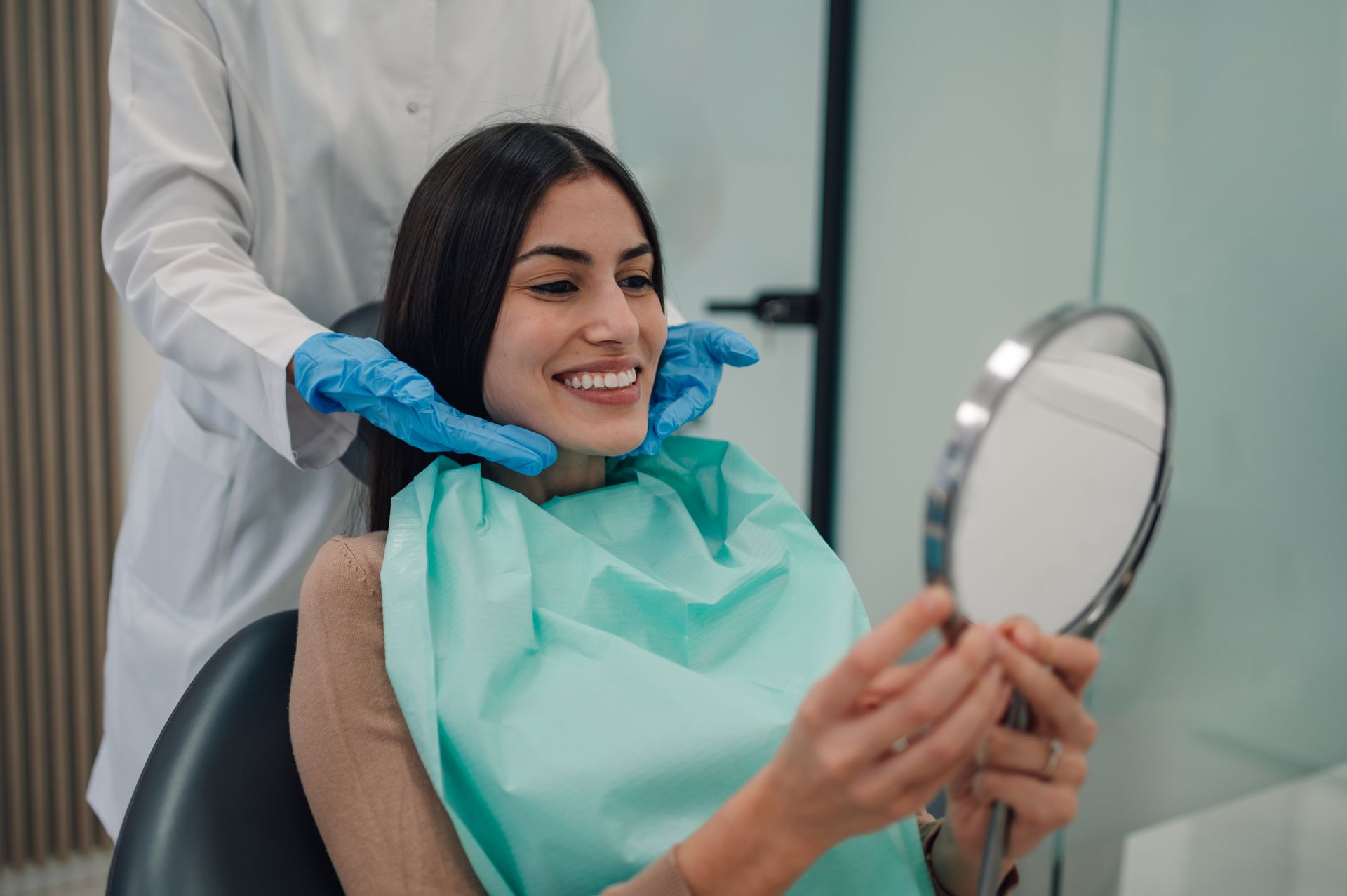

Why a Personalized Plan Matters
The best cosmetic work does not look "done." It looks like you, just refreshed.
A personalized plan helps your dentist match tooth shade to your skin tone and age, tooth shape to your lips and facial features, and proportions that look even without making teeth look too big.
It also helps blend cosmetic and restorative needs. For example, if a tooth has a large old filling or cracks, a porcelain crown or other restoration may be the safer choice than a purely cosmetic fix.
Veneers on the Main Line
Veneers can create a major change with a smooth, polished look. They are often used when people want more uniform shape and color.
What Veneers Are and What They Fix
Porcelain veneers are thin shells that bond to the front of teeth. They can improve deep stains that don't respond well to whitening, chipped, worn, or uneven tooth edges, gaps and slight alignment issues, tooth size concerns like "small" teeth, and overall symmetry and balance.
Many people searching for porcelain veneers on the Main Line are looking for a result that is bright, but still natural. That's why planning matter, especially shade and shape selection.
The Veneers Process
Veneers are a planned, step-by-step treatment. Most cases follow a path that includes a smile evaluation and goal setting, shade and shape selection, a design preview when appropriate, tooth preparation, impressions or digital scans, and final placement with a bite check and polishing.
Your dentist should also talk about how many veneers make sense. Some people need only a few. Others choose more for a fuller, even smile.
How Veneers Stay Looking Great
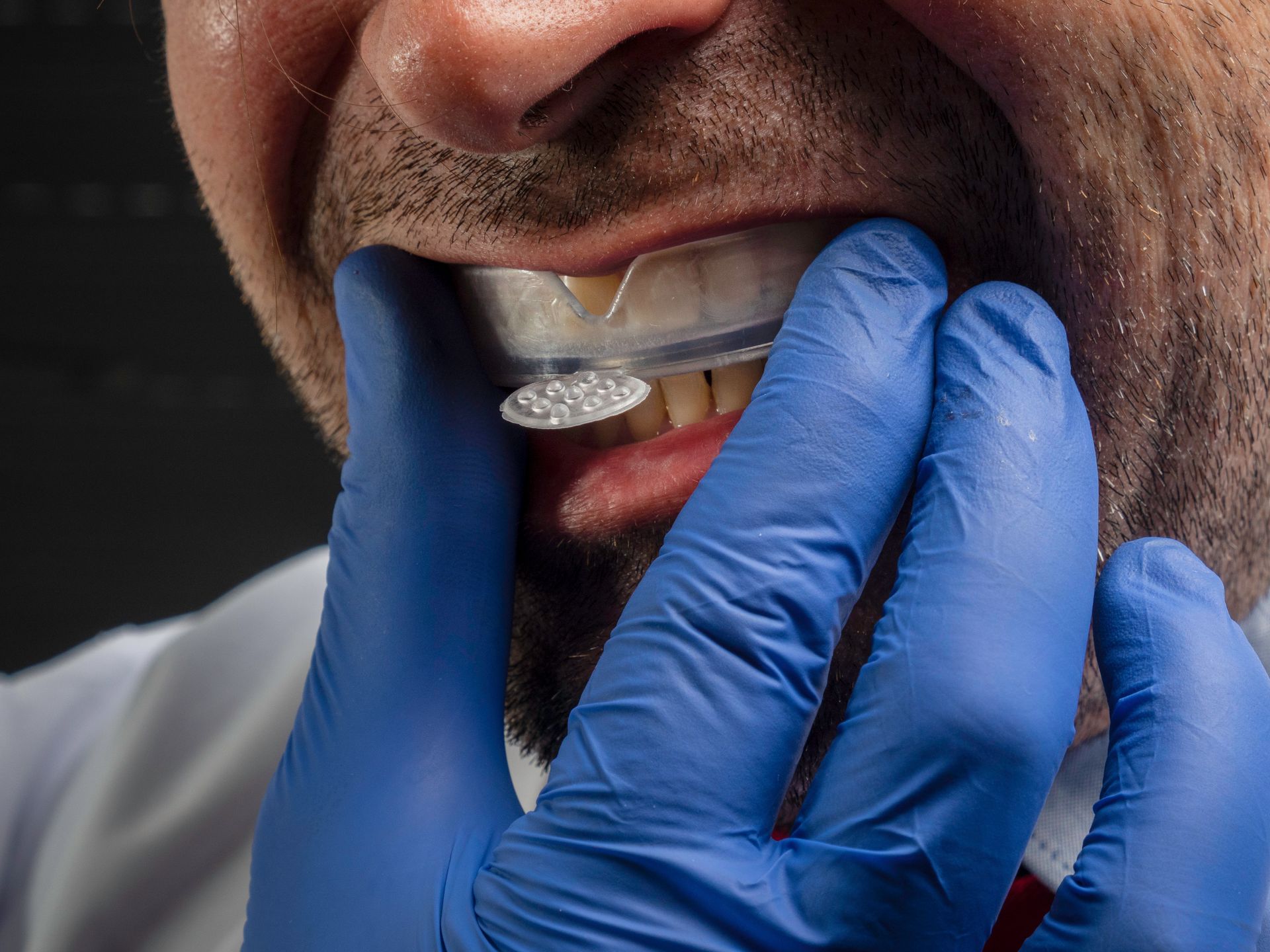
Veneers can look excellent for years with the right care. Helpful habits include brushing and flossing daily, using non-abrasive toothpaste, avoiding biting ice or using teeth as tools, and wearing a nightguard if you clench or grind.
Porcelain is more stain-resistant than natural enamel, but the edges and surrounding teeth can still stain. It's also worth knowing that veneers don't eliminate the risk of decay, gum health and regular cleanings remain just as important after placement.
Professional Teeth Whitening That Looks Natural
Whitening is often the fastest cosmetic upgrade. But not all whitening works the same, and not every stain responds the same.
Why Professional Whitening Beats Store-Bought Options
Professional whitening tends to be more predictable because it is more controlled, more even with custom trays that reduce patchiness, and safer for sensitive teeth and gums with better protection and guidance.
If you're looking for professional teeth whitening on the Main Line, it usually means you want results you can trust, without guessing which product will work.
Whitening Options
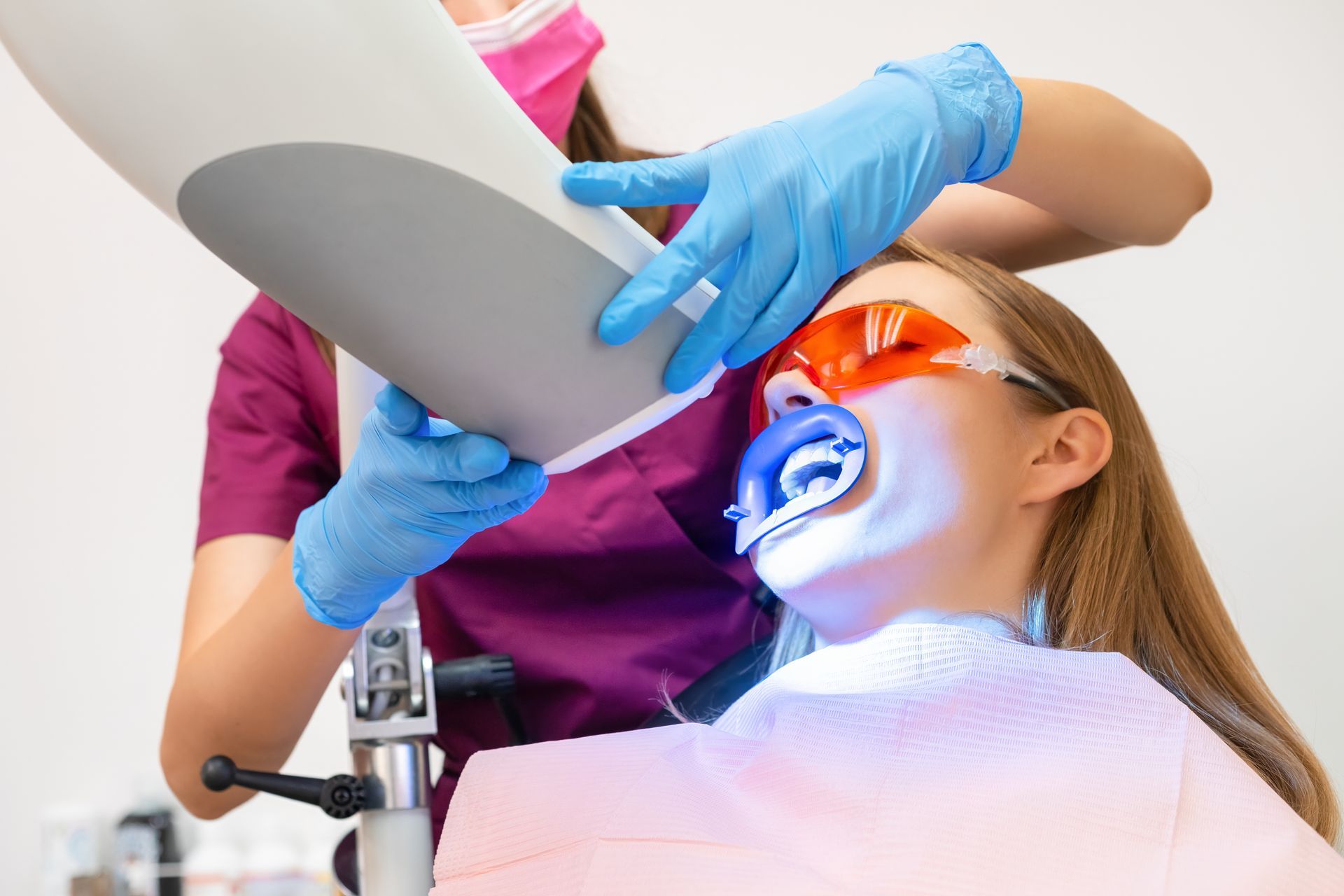
There are two common professional approaches. In-office Zoom whitening delivers a quicker change in a single visit, often ideal for upcoming events or a fast refresh. Take-home whitening trays offer gradual results with a custom fit, often great for people who want more control over the process.
Your dentist can help choose the right option based on your starting shade, your sensitivity level, and how quickly you want results.
Managing Sensitivity and Keeping Results Longer
Sensitivity is common, but it can often be managed through desensitizing toothpaste, adjusting wear time for take-home systems, spacing sessions out a bit more, and avoiding very hot or cold foods right after whitening.
To help results last, limit frequent staining drinks like coffee, tea, cola, and red wine, rinse with water after staining foods, keep up with cleanings, and ask about periodic touch-ups if needed.
Full Smile Makeovers on the Main Line
A smile makeover plan is not a single procedure. It's a customized roadmap that may combine cosmetic and restorative care to reach a specific outcome.
What a Smile Makeover Is
A smile makeover is a planned set of treatments designed around your goals for how your smile looks, your oral health needs including gums, bite, worn teeth, and old restorations, your timeline for quick improvements versus phased care, and your budget with options and priorities.
Some makeovers are mostly cosmetic. Others include structural work so the smile looks good and holds up well.
Treatments Commonly Included in Smile Makeovers
Depending on your needs, a smile makeover may include porcelain veneers, professional teeth whitening, composite bonding, crowns and other metal-free restorations, bridges, dental implants, and partial or full dentures when appropriate.
The key is choosing treatments that match your mouth, not forcing one solution for everyone.
Who's a Candidate
You may be a candidate for a smile makeover if you have several concerns at once, multiple worn or chipped teeth, old dental work that doesn't match your natural tooth color, missing teeth or gaps that affect your bite, uneven tooth sizes or noticeable asymmetry, or heavy staining combined with shape issues.
Healthy gums and a stable foundation come first. If gum disease or decay is present, those issues should be treated before cosmetic work begins.
Designing the Outcome Before You Begin
Planning is where great smile makeovers are made. Tools may include photos and digital scans, smile design previews, a discussion of tooth shape, length, and brightness, and bite planning so your smile looks good and feels comfortable.
This step helps prevent surprises and keeps the final look aligned with your goals. Browse our smile gallery to see examples of real patient outcomes.
What the Timeline Can Look Like
Smile makeovers can move quickly or in phases. A faster path may start with whitening and small bonding changes. A phased plan may combine whitening, veneers, and restorative work over several visits. The right timeline depends on what you need and how you want to pace treatment.
What to Expect at Your Cosmetic Consultation
A good consultation should be clear and personalized. You should leave understanding your options and why they were recommended.
A typical evaluation includes a review of your smile goals and concerns, photos and an exam, a bite assessment, and a review of tooth and gum health. Your dentist should explain what must be addressed for health or function versus what is purely cosmetic.
Your plan should outline recommended options and why they fit your goals, the order of treatment steps, an estimated number of visits, maintenance and long-term care needs, and cost ranges with ways to prioritize if you're planning in phases.
If dental anxiety is a concern, ask about sedation options, they can make the entire process far more comfortable.
Next Steps: Start Your Smile Transformation
If you're considering veneers, whitening, or a full smile makeover, the best next step is a consultation focused on your goals. Bring a short list of what you want to change, color, shape, gaps, or overall look, and be ready to talk about your timeline. With the right plan, cosmetic dentistry can create a smile that looks confident, balanced, and like you.
Frequently Asked Questions
How do I know whether I need veneers or just whitening?
It depends on what's bothering you. If your main concern is color and your teeth are otherwise healthy in shape and alignment, whitening is usually the right starting point, it's less invasive and more affordable. Veneers make more sense when you're dealing with chips, worn edges, gaps, or stains that don't respond to whitening (like those caused by tetracycline or fluorosis). A consultation will help clarify which option actually matches your concern.
Are porcelain veneers permanent?
Veneers are considered irreversible because a small amount of enamel is removed during preparation, so yes, once you have them, you'll always need them. That said, they're not permanent in the sense that they last forever; most porcelain veneers last 10–15 years or longer with good care before they may need to be replaced. Going in with that expectation helps you plan and budget appropriately.
How long does teeth whitening last?
It varies depending on your diet and habits, but most patients see results that hold well for 6 months to a year before they notice fading. Coffee, tea, red wine, and tobacco are the biggest factors in how quickly results diminish. Periodic touch-ups, especially with a take-home tray system, can extend your results significantly without starting from scratch each time.
Do I need to fix oral health issues before getting cosmetic work done?
Yes, and this isn't just a formality. Cosmetic work placed over unhealthy gums or untreated decay won't hold up the way it should, and it can mask problems that worsen over time. Gum disease, cavities, and bite issues are always addressed first. Think of it as building on a solid foundation, the cosmetic results look better and last longer when the underlying health is sound.
How many teeth are typically included in a smile makeover?
There's no set number, it depends entirely on what's visible when you smile and what your goals are. Some people focus on the front six to eight teeth. Others address more if asymmetry or discoloration extends further back. Your dentist will look at your natural smile line (how much of your teeth show when you talk and laugh) to determine which teeth are actually in play and worth treating.