Sedation Dentistry in Berwyn & the Main Line: Safe, Comfortable Care for Anxious Patients

If you feel nervous about the dentist, you're not being dramatic, you're being human. At Ufberg Dental, PC, our team provides sedation dentistry and comfortable care for patients in Berwyn and across the Main Line. Because we plan sedation appointments regularly and see the same fears come up again and again, we know what anxious patients need most: clear options, realistic expectations, and a process that puts safety first.
You're Not Alone: Why Dental Anxiety Keeps People From Getting Care
Dental anxiety is one of the biggest reasons people delay treatment. The problem is that delays often make small issues bigger, and what could have been a simple fix becomes a more involved procedure.
Common reasons patients avoid the dentist include fear of pain or needles, a bad past experience, a strong gag reflex, trouble getting numb, feeling trapped in the chair, sensory overload from sounds, smells, or tools, and embarrassment about how long it's been since their last visit.
If any of this sounds like you, you're in good company. The goal is not to "push through it." The goal is to make treatment feel manageable.
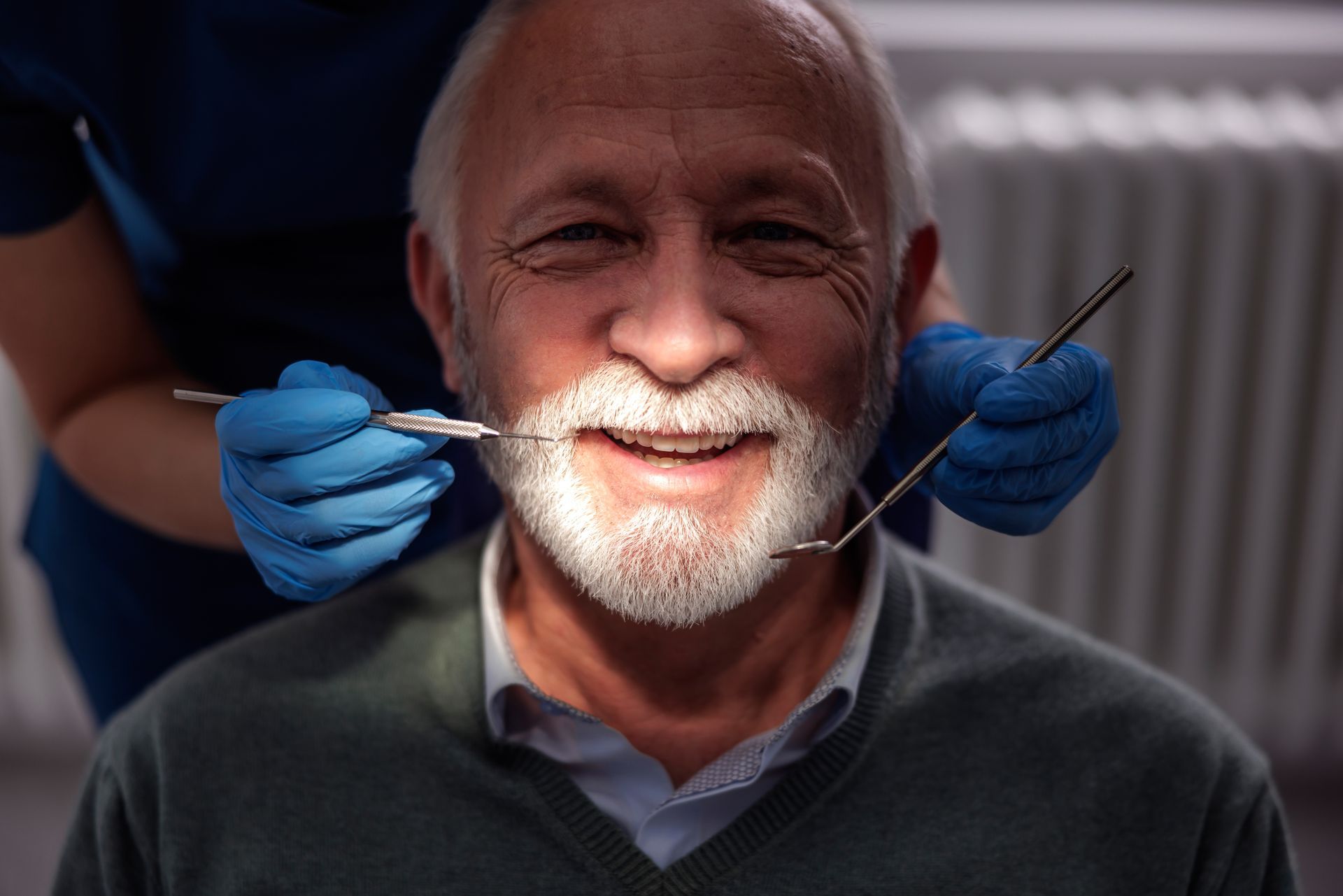
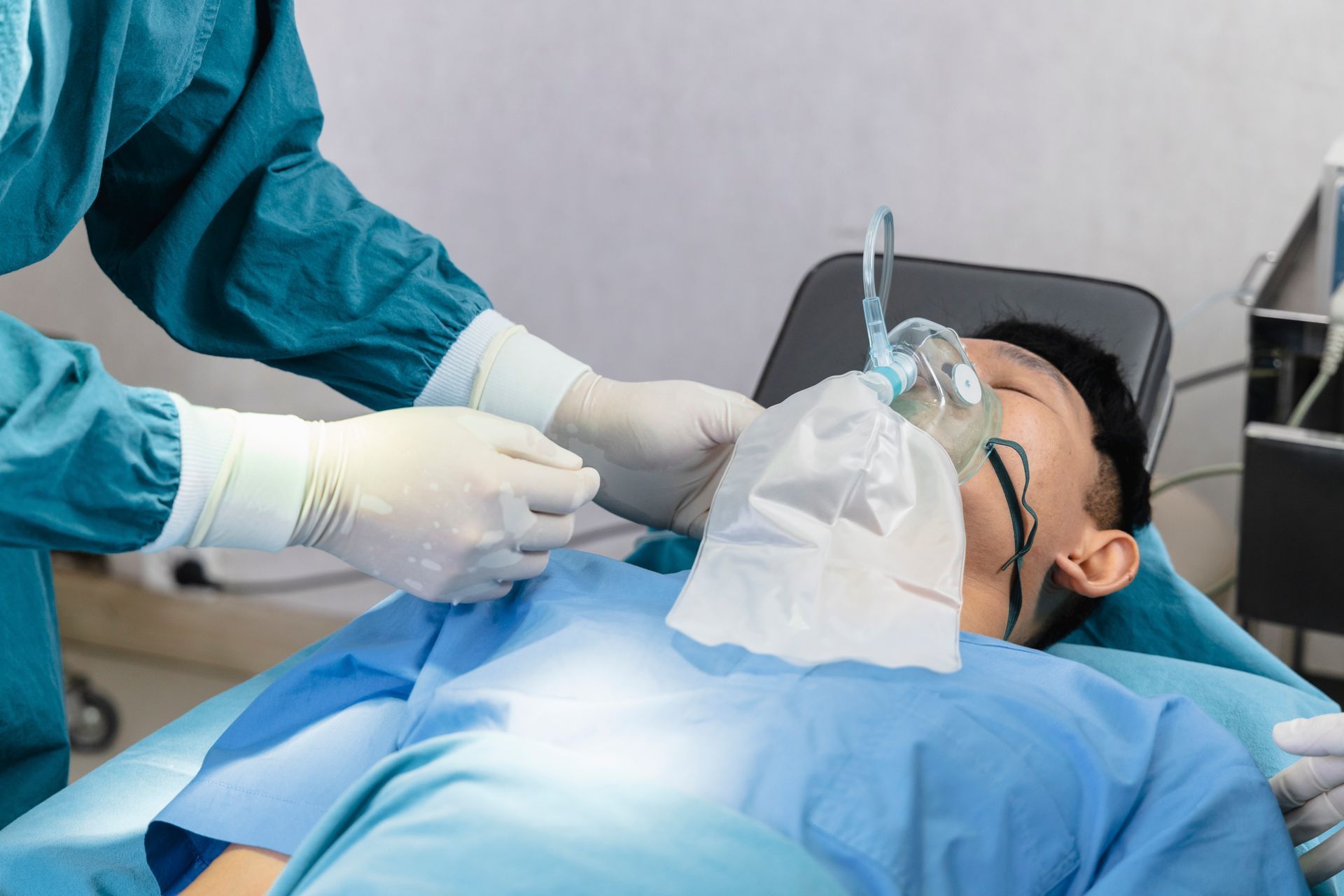
What Sedation Dentistry Is
Sedation dentistry uses medication and comfort techniques to help you feel more relaxed during dental care. It can be helpful for mild nerves or strong dental phobia, depending on the type of sedation used.
Here's the simple truth: sedation is not always about being asleep. Some sedation helps you feel calm but still awake and responsive. Some creates a deeper level of relaxation with limited memory of the visit. Your dentist chooses the level based on your health history, anxiety level, and the procedure. A good sedation plan aims for safe, steady comfort, not "as much medication as possible."
Benefits of Sedation Dentistry for Anxious Patients
Sedation can help in two big ways: how you feel during the visit, and how efficiently you can complete treatment.
On the comfort side, sedation may help you feel less anxious, reduce a sensitive gag reflex, sit more comfortably for longer visits, feel less aware of time and dental sensations, and avoid the white-knuckle experience that makes people put off future care.
From a treatment standpoint, sedation can also help when you need more dental work done, prefer fewer visits, have a hard time staying still, or want a smoother experience for longer or more complex procedures. In some cases, it helps patients finish treatment sooner because the visits are simply easier to tolerate.
Types of Dental Sedation Offered
Not all sedation is the same. The right type depends on your needs, the procedure, and your health history.
Nitrous Oxide (Laughing Gas)
Nitrous oxide is a common option for mild to moderate anxiety. It works quickly and wears off quickly, is given through a small nasal mask, keeps you awake and able to respond normally, and often allows you to drive yourself home afterward if your dentist says it's appropriate. It's a good fit for patients who want something to take the edge off without a long recovery.
Oral Conscious Sedation
Oral sedation is usually a pill taken before your appointment. You remain conscious but may feel drowsy, time may feel like it passes faster, and some patients remember little of the visit. You'll typically need a responsible adult to drive you to and from the office. This can be a good fit for patients with strong anxiety who don't need the deeper control of IV sedation.
IV Sedation
IV sedation is delivered through a small IV, and the dose can be adjusted throughout the visit. It often creates a deeper level of relaxation, is commonly used for severe anxiety or longer procedures, and you may have limited memory of the appointment. You'll need arranged transportation and post-visit support. If you're looking for a stronger option that helps you get through treatment with less fear and less stress, IV sedation may be worth discussing.
Safety First: How Sedation Dentistry Stays Safe and Predictable
Safe sedation is not only about the medication, it's about the screening, the monitoring, and the team.
Your Pre-Sedation Evaluation
Before any sedation appointment, your dental team will review your medical history, current medications and supplements, allergies, past reactions to anesthesia or sedation, your anxiety level and dental triggers, and the complexity of the planned procedure. This step helps your dentist choose the safest sedation approach and avoid medication problems. Some patients may also need medical clearance depending on their health.
Monitoring During Treatment
During sedation, the dental team monitors vital signs, breathing, and comfort continuously, with adjustments made as needed for anxiety, gag reflex, or sensitivity. This is one reason sedation dentistry is different from simply "taking something to relax", it's a controlled clinical process.
When Sedation May Not Be the Best Fit
Sedation isn't a perfect fit for everyone. Your dentist may recommend a different approach if you have certain medical conditions, medication interactions that raise risk, or special health considerations like pregnancy. In some cases, the safest plan is still possible, but it may require added steps or a different type of sedation.
What to Expect From Your Sedation Visit
Knowing the plan ahead of time can reduce anxiety on its own.
Before Your Appointment
Your dental team will give you instructions based on your sedation type. These may include eating and drinking guidance (especially for deeper sedation), medication directions, what to wear and bring, and transportation planning when needed. If you're doing oral or IV sedation, plan on having someone drive you and stay available afterward.
During Treatment
What you feel depends on the sedation method. Nitrous oxide often feels like light, floaty relaxation. Oral sedation can feel drowsy and calm. IV sedation often feels deeper, with less awareness of time passing.
Even with sedation, dentists still use local anesthetic for pain control. Sedation helps with anxiety and tolerance, numbing handles the discomfort. Many anxious patients do best with both.
After Treatment and Recovery
Nitrous oxide usually wears off quickly. Oral and IV sedation can linger for hours. Common post-sedation guidance includes resting for the day and avoiding driving, alcohol, or major decisions after oral or IV sedation. Your team will also give you any procedure-specific instructions.
Procedures Commonly Done With Sedation
Sedation can be used across many types of care, it's often chosen when anxiety is high or the procedure is longer.
For general and restorative dentistry, sedation may be used for fillings, crowns, deep cleanings, and multiple treatments completed in a single visit. For surgical or more complex care, sedation can also support tooth extractions, implant-related treatment, and oral surgery procedures when appropriate.
Your dentist will match the sedation level to the procedure and your specific comfort needs.
Is Sedation Dentistry Right for You?
Sedation dentistry is often about removing the biggest barrier: fear. If fear is what's stopping you from getting care, sedation is likely worth a conversation.
You may be a good candidate if you feel strong dental anxiety or dental phobia, have a sensitive gag reflex, need extensive dental work, want fewer visits, struggle to get comfortably numb, or feel overwhelmed by dental sounds and sensations.
A consultation can help you understand what level of sedation makes sense and what steps come first. And if you've been putting off other needed treatment, like cosmetic work or restorative procedures, sedation can make it possible to address everything with far less stress.
Next Steps: A Calm, Comfortable Path Back to Dental Health
If anxiety has kept you from the dentist, sedation dentistry in Berwyn and the Main Line may help you restart care in a way that feels doable. Schedule a consultation focused on comfort, share your triggers, your past experiences, and what you're worried about. Then review your sedation options and build a step-by-step plan to get the treatment you need with less stress and more control.
Frequently Asked Questions
Will I be completely unconscious during sedation?
Not necessarily, and for most patients, that's not the goal. Nitrous oxide and oral conscious sedation keep you awake and responsive, just much more relaxed. IV sedation creates a deeper state, but it's still different from general anesthesia. Your dentist will recommend the level that's appropriate for your anxiety, your health history, and the procedure being done.
Is sedation dentistry safe?
Yes, when it's properly screened and monitored. The safety comes from the process, a thorough pre-sedation evaluation, appropriate medication selection, and continuous monitoring throughout your visit. Patients with certain medical conditions may need extra planning or medical clearance, which is exactly why the screening step matters so much.
Can I drive myself home after a sedation appointment?
It depends on the type. Nitrous oxide typically wears off quickly and many patients can drive afterward, if their dentist confirms it's appropriate. Oral conscious sedation and IV sedation both require a responsible adult to drive you home and stay available for the rest of the day.
What if I've had a bad experience with sedation or anesthesia before?
Tell your dentist before your appointment, this is one of the most important pieces of information in your pre-sedation evaluation. Past reactions help determine which medications are safe, what monitoring is needed, and whether any alternative approach makes more sense for you.
Can sedation help me catch up on years of missed dental work?
Often, yes. One of the biggest advantages of sedation is that it allows your dentist to complete more treatment in fewer visits. For patients who have avoided the dentist for years and have a backlog of needed care, sedation can make it realistic to get everything addressed without the exhaustion of multiple difficult appointments.