How Long Does Invisalign Take for Adults on the Main Line?

If you’re wondering how long does Invisalign take, the short, honest answer for most adults is about 12–18 months. Some people finish in 6–9 months (small spacing or mild crowding). More complex bites can take 18–24 months or longer. At Ufberg Dental, our team plans clear aligner cases every week and uses digital scans to map tooth movement step by step, so this Invisalign treatment timeline is based on what we see in real adult treatment, not guesses.
What Is Invisalign and How Does It Work?
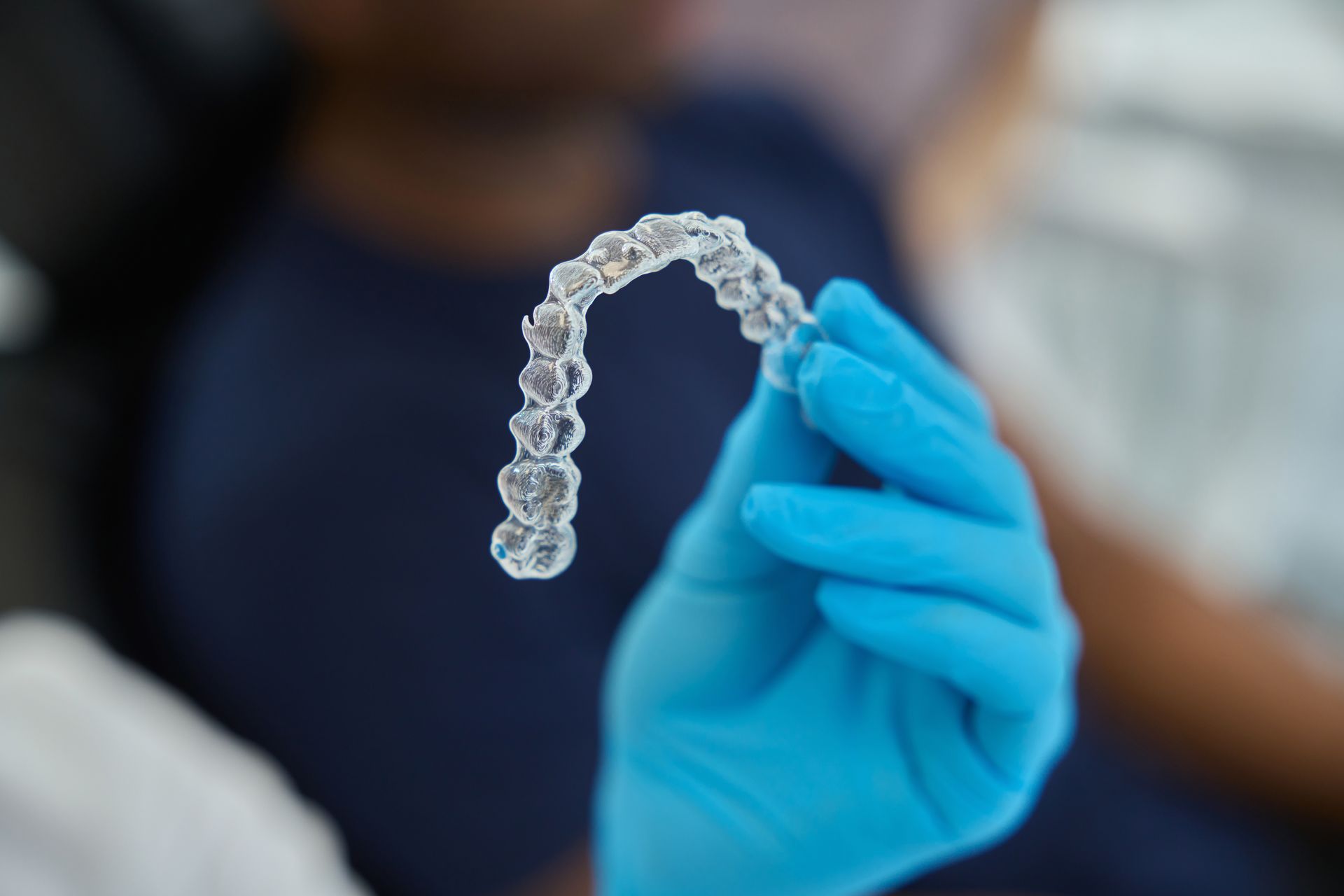
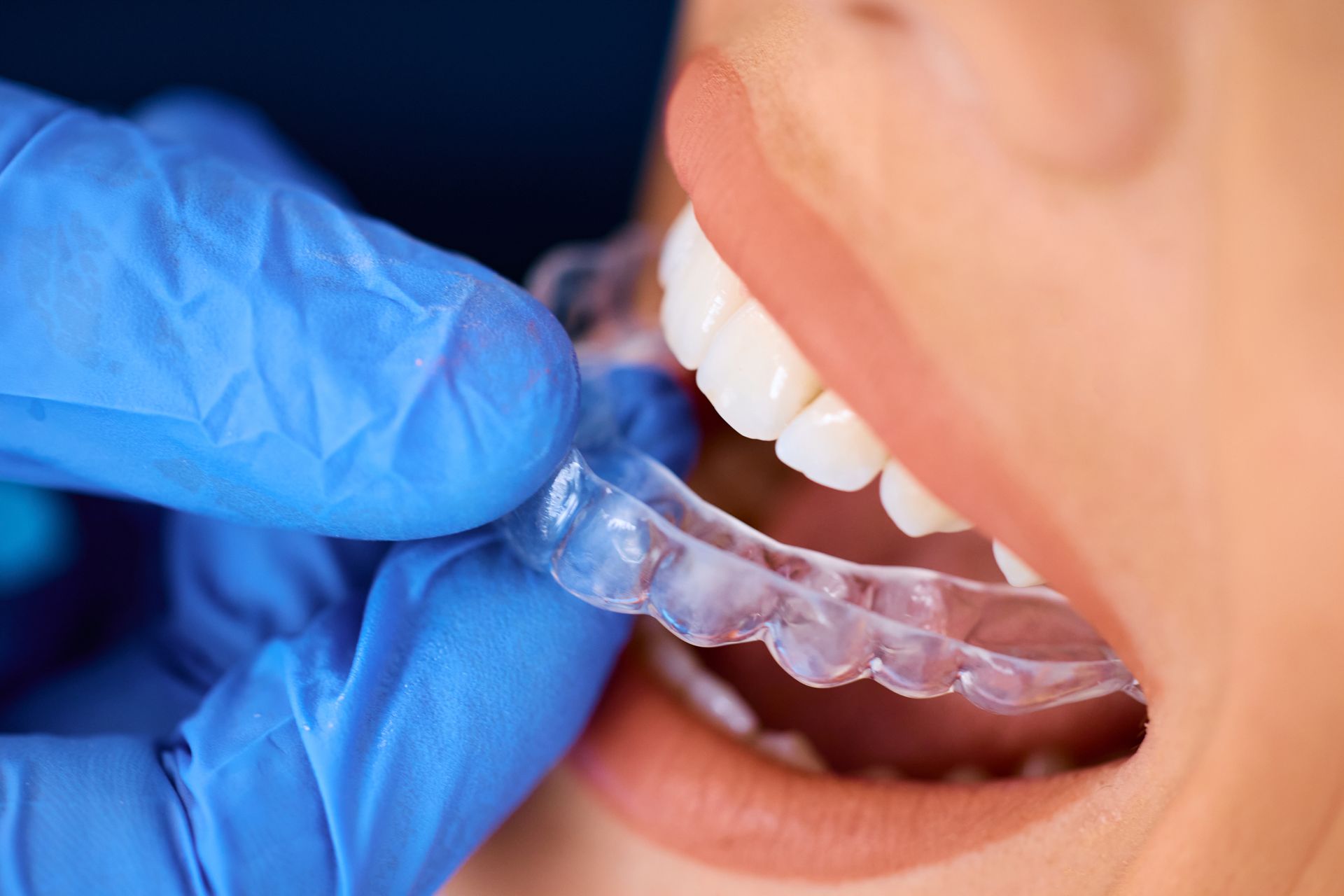
Invisalign is a series of clear plastic aligners you wear over your teeth. Each set is made to nudge teeth a little at a time.
Brief overview of Invisalign
- Clear aligners are custom-made for your mouth.
- You switch to a new set on a schedule (often every 1–2 weeks).
- Over time, small shifts add up to a big change.
How clear aligners gradually shift teeth
Aligners apply gentle pressure in specific spots. That pressure tells the bone around your teeth to remodel. As the bone changes, your teeth can move into new positions.
Why it’s popular among adults
Many adults like Invisalign because it’s:
- Hard to notice in daily life
- Removable for meals and brushing
- Easy to fit into work and social plans
Average Invisalign Treatment Time for Adults
Typical treatment length (12–18 months)
For many adults, the
average Invisalign time lands in the
12–18 month range. That’s a common window for treating crowding, spacing, and some bite issues.
When shorter (mild cases) or longer (complex cases)
Your
Invisalign treatment length depends mostly on what needs fixing:
- Mild cases: often
6–9 months (small gaps, minor crowding)
- Moderate cases: often
9–18 months
- More complex cases: often
18–24+ months (bigger bite problems, lots of movement needed)
Some patients also need a “refinement” phase near the end (extra aligners to perfect the final result). That can add a few weeks or a few months.
Expectations for Main Line patients
Adults on the Main Line often want a plan that works around busy schedules. The good news is Invisalign usually needs fewer “emergency” visits than braces, and many check-ins are quick. But the timeline still depends on your case and how consistently you wear aligners.
Key Factors That Affect How Long Invisalign Takes
If two adults start Invisalign on the same day, they may finish at very different times. Here are the biggest factors affecting Invisalign duration.
Case complexity (mild vs. moderate vs. severe)
This is the #1 driver of Invisalign duration. Moving one tooth a little is faster than fixing crowding plus a deep bite plus midline issues.
Patient age and bone density
Adults can still move teeth very well, but tooth movement may be slower for some people as we age. Your dentist plans around your biology and your goals.
Compliance (wearing aligners 20–22 hours per day)
This is huge. Most plans require
20–22 hours per day. If aligners aren’t worn enough, teeth don’t track as planned, and your Invisalign timeline can stretch out.
Lifestyle and oral hygiene habits
Good habits help you stay on schedule:
- Taking aligners out only for food and drinks (besides water)
- Brushing and flossing well to avoid gum inflammation
- Protecting aligners from loss or damage
Frequency of aligner changes
Some people change weekly, others every two weeks. Your dentist chooses what’s safe and effective for your teeth and gums. Changing too fast can cause fit issues; too slow can extend treatment.
Invisalign Timeline: What to Expect Step by Step
Here’s a clear Invisalign treatment timeline from start to finish. (No two plans are identical, but these stages are common.)
Initial consultation and 3D scan
You’ll get an exam and a digital scan. This shows crowding, spacing, bite, and gum health. If there are issues like cavities or gum disease, those need attention first because healthy gums help treatment go smoother.
Aligner production and fitting
After the plan is approved, your aligners are made. At your start visit, you’ll learn how to:
- Put aligners in and take them out
- Clean them properly
- Use attachments (small tooth-colored bumps) if needed
Aligner wear schedule
You’ll wear each set for the planned time. You may also use:
- Attachments to help certain teeth move
- Elastics (rubber bands) for bite correction in some cases
- IPR (gentle smoothing between teeth) if tiny space is needed for alignment
Mid-treatment check-ins
Most adults have check-ups about every
6–10 weeks, depending on the plan. These visits confirm progress and fix small issues early, important for keeping your Invisalign progress timeline on track.
Final results and retainers
When teeth reach the goal, you’ll move to retention. Retainers help protect your result long-term. Skipping retainers is one of the fastest ways for teeth to drift back.
How Long Until You Start Seeing Results?
Many adults want to know how quickly changes show up in the mirror.
Visible changes timeline
A lot of patients notice small changes in
6–8 weeks, especially if front teeth are crowded or spaced.
Early-stage progress
Early progress often looks like:
- Straighter front teeth
- Small gaps shrinking
- Teeth looking more even in photos
Even if changes feel slow at first, steady wear usually leads to predictable movement.
Motivating milestones for adults
Common “confidence moments” include:
- First time you notice a smoother smile line in selfies
- When floss starts to slide more easily between crowded teeth
- Mid-treatment when the smile looks clearly straighter, even before the bite is fully finished
Why Main Line Adults Are Choosing Invisalign
This isn’t about hype, it’s about fit. For many adults, Invisalign works well with real life.
Discreet, flexible treatment for professionals
Clear aligners are subtle. You can remove them for meals, presentations, photos, and big events (as long as you still hit wear-time goals).
Access to expert providers in the Main Line area
Main Line adults often want convenient care close to home or work. Short, scheduled check-ins can be easier to manage than frequent wire adjustments.
Custom treatment plans for adult lifestyles
Adults may have past dental work, busy calendars, travel, or grinding habits. A good plan considers all of it, so the Invisalign treatment schedule is realistic, not stressful.
Final Thoughts: Planning Your Invisalign Journey
If you’ve been asking how long does Invisalign take, aim for 12–18 months as a common baseline for adults, with faster timelines for mild cases and longer timelines for complex bites. The best way to get an accurate answer is a personalized exam and scan, because your teeth, and your goals, are unique.
If you’d like a clear, no-pressure estimate for your own Invisalign duration, you can schedule a consultation with
Ufberg Dental. We’ll review your smile, talk through options, and give you a straightforward timeline you can plan around.