Sedation Dentistry in Berwyn & the Main Line: Comfortable Care for Anxious Patients

Feeling nervous about the dentist is very common, and it’s nothing to be embarrassed about. At Ufberg Dental in Berwyn, our team works with anxious patients every week. We’re trained to spot dental anxiety, explain options in plain language, and tailor care so you feel safe and in control. If you’re searching for a sedation dentist on the Main Line, this guide will walk you through what sedation is, who it helps, and what to expect.
What Is Sedation Dentistry?
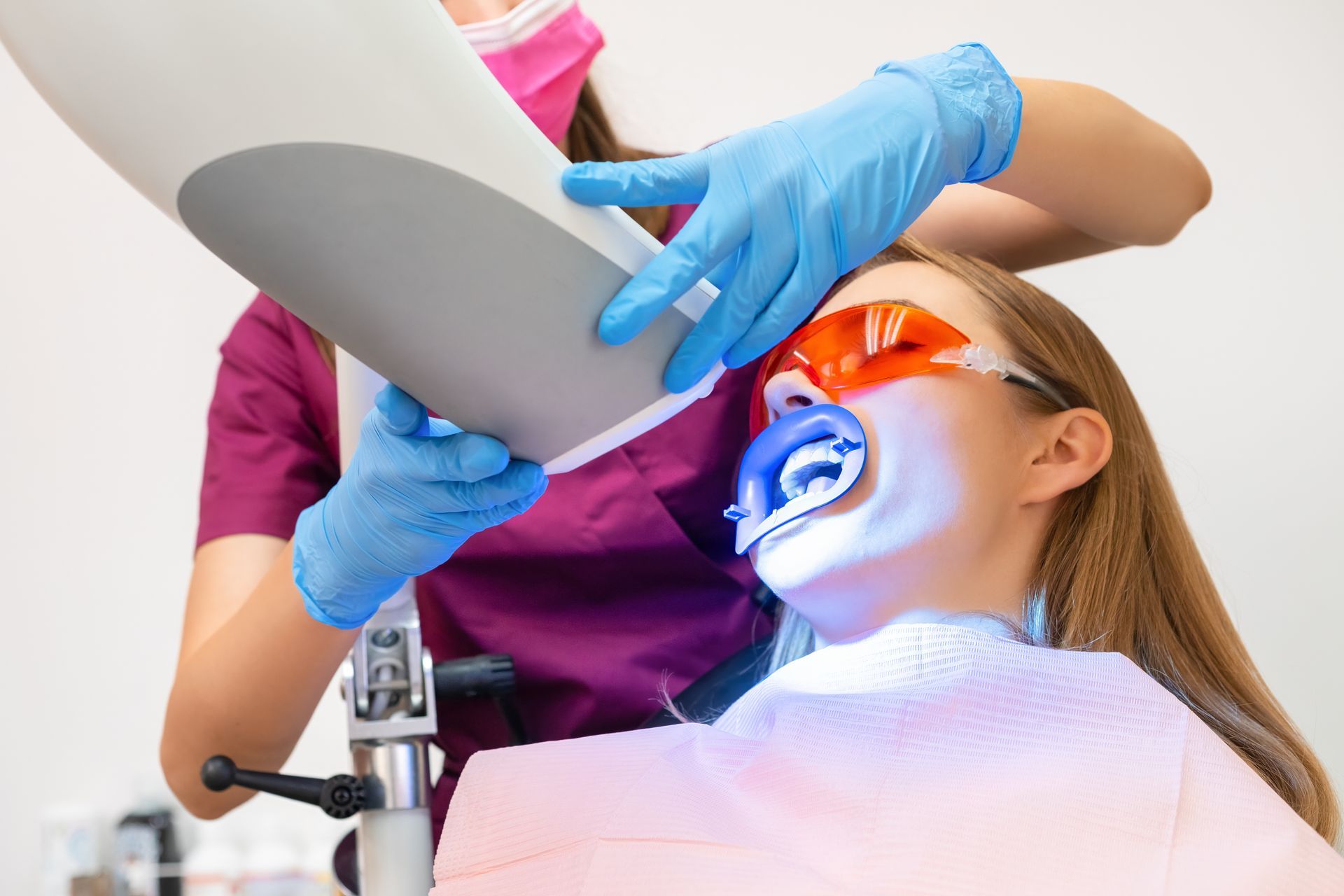
Sedation dentistry is a way to help you feel calmer and more comfortable during dental care. It can reduce stress, gagging, and fear, while still allowing you to get the treatment you need.
Sedation is not always "being asleep." Many options are conscious sedation, meaning you stay awake but feel deeply relaxed. For some people, it can also make time feel like it passes faster, and they may remember less of the visit.
A Gentle Approach to Dental Anxiety
If you avoid appointments because of fear, sedation can be a game-changer. It supports dental anxiety relief by helping your body settle down. That can mean:
- less tension in your jaw and shoulders
- a calmer mind during sounds or sensations
- easier time sitting through longer visits
- fewer pauses due to stress
Sedation works best when it’s paired with a gentle dental approach: clear communication, comfort breaks, and a judgment-free team.
Who Benefits Most From Sedation Dentistry?
Sedation can help many people, but it’s especially helpful if you:
- have strong
fear of the dentist or past bad experiences
- have a sensitive gag reflex
- feel panic in the chair or struggle to stay still
- need longer or more complex treatment
- have trouble getting numb or feel very sensitive
If your anxiety has kept you from care for a while, sedation may help you restart with less stress.

Types of Sedation Dentistry We Offer
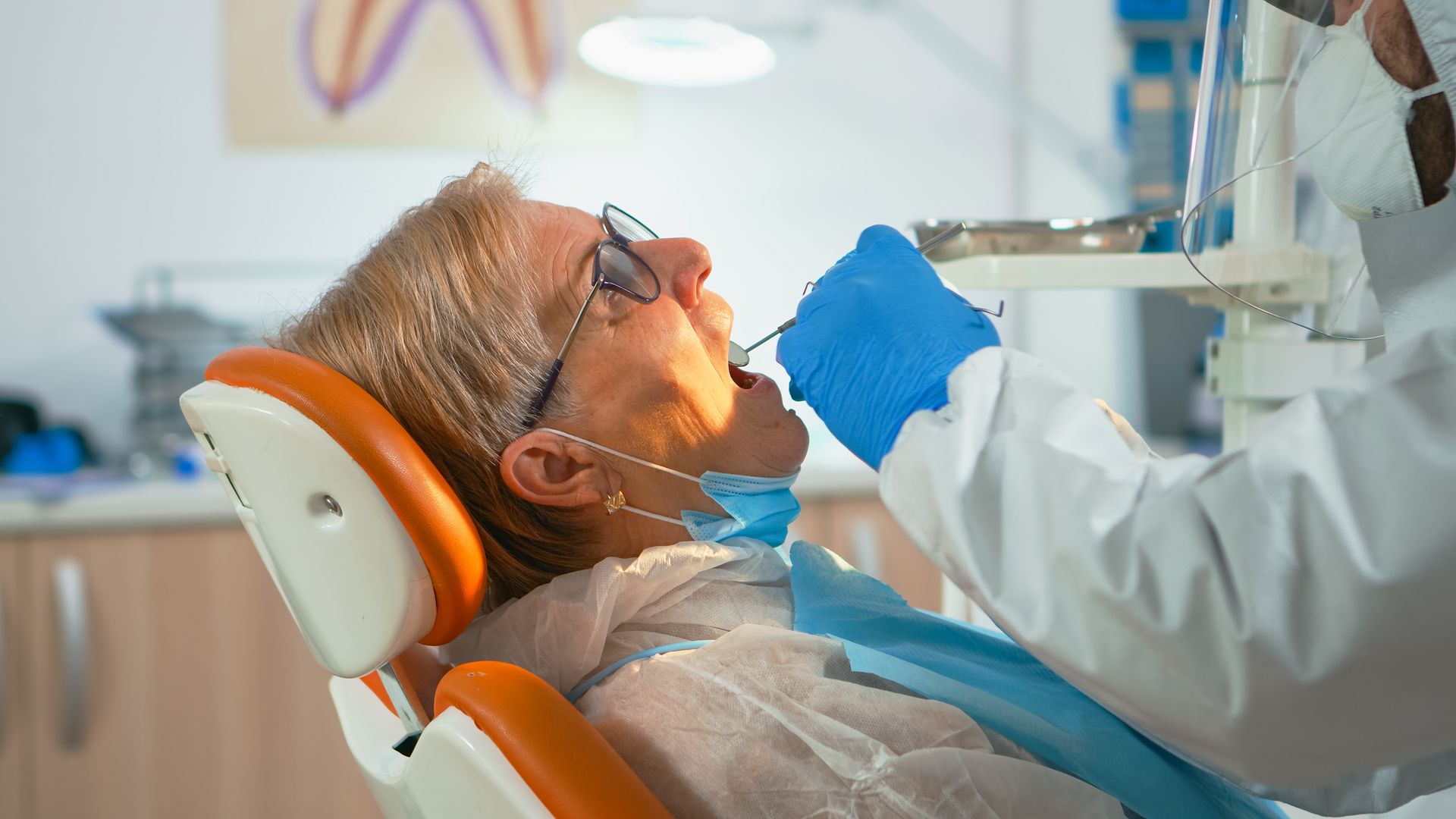
The “right” type depends on your health, your anxiety level, and what procedure you need. The goal is comfortable care, not more sedation than necessary.
Nitrous Oxide (Laughing Gas)
Nitrous oxide is a mild form of dental sedation. It helps you relax during treatment and wears off quickly.
What people like about it:
- fast onset and fast recovery
- you can usually drive yourself home (if approved by your dentist)
- you stay awake and can respond normally
- it’s a good fit for mild to moderate anxiety
This is often a great first step for patients who want something gentle and flexible.
Oral Conscious Sedation
Oral sedation uses a prescribed pill taken before your visit. It can help you feel very calm, and some people feel drowsy.
What to know:
- you’ll need a ride to and from the office
- you may remember less of the appointment
- it can be helpful for moderate to higher anxiety
- recovery time is longer than nitrous
Oral sedation is a common option for patients looking for a more “turned down” experience while still receiving safe, monitored care.
IV Sedation (By Referral or In-Office Option)
IV sedation is a deeper level of sedation delivered through a vein. It’s often used for very anxious patients or longer procedures.
Important points:
- it requires close monitoring and specific medical protocols
- you’ll need a ride home and time to rest after
- availability may depend on your treatment plan and provider setup
- in some cases, IV sedation may be provided in-office or coordinated through a referral
If you think you need deeper sedation, the first step is a consultation so we can review your needs and medical history.
Why Choose Sedation Dentistry?
Sedation dentistry is mainly about making dental care doable, especially if anxiety has been stopping you. It supports both comfort and consistency, so you don’t have to “power through” fear.
Overcoming Fear and Dental Anxiety
Dental anxiety treatment is not just about getting through one appointment. It’s about helping you build trust again.
Sedation can help you:
- show up without dread
- stay calm during the parts that trigger you
- finish care instead of delaying it
- avoid the cycle of anxiety → avoidance → bigger problems
For many people, the biggest relief is simply feeling like they have options.
Pain-Free, Stress-Free Dental Procedures
Sedation is often combined with local anesthetic (numbing) to support pain-free dental care. While no dental visit can promise “zero sensation,” sedation can reduce how intense things feel and how much you focus on them.
For anxious patients, less stress can also mean:
- less jaw soreness from clenching
- fewer “startle” moments
- a smoother appointment overall
More Comfort for Complex or Lengthy Treatments
If you need multiple fillings, a deep cleaning, or other longer visits, sedation can make it easier to complete treatment comfortably. That may mean fewer appointments, less time off work, and less mental load.
What to Expect During a Sedation Appointment
Sedation visits are planned. You won’t be surprised, rushed, or left guessing. The team should explain each step before anything happens.
Before Your Visit
First, we review your health history, medications, allergies, and your anxiety triggers. Then we choose the safest sedation option for you.
You may also get instructions like:
- what to eat or drink before your visit
- when to take (or not take) medications
- whether you need a responsible adult to drive you
- what to avoid after treatment (like work, alcohol, or important decisions)
If you’re nervous, tell us. The plan can include extra time, breaks, and simple signals to pause.
During the Procedure
On the day of treatment, we’ll confirm how you’re feeling and start the sedation based on your plan.
During the procedure, you can expect:
- ongoing comfort checks
- calm, step-by-step communication
- monitoring as needed based on sedation type
- the ability to pause if you need a break
Many patients say the appointment feels shorter than expected, especially with sedation.
Aftercare and Recovery
Recovery depends on the type of dental sedation you used:
- Nitrous oxide often wears off quickly
- Oral sedation and IV sedation usually require rest for the day
We’ll provide clear aftercare instructions. If you received deeper sedation, plan to go home, relax, and avoid driving or major tasks until you’re fully alert.
Is Sedation Dentistry Safe?
Yes, when it’s planned correctly, reviewed medically, and monitored appropriately. Safety starts with choosing the right sedation level for your body and your procedure.
Medical Oversight and Patient Monitoring
A safe sedation visit includes:
- a review of your medical history and medications
- the right equipment and trained staff
- monitoring based on your sedation level
- clear emergency protocols (even though problems are rare)
You should always feel comfortable asking: “Why is this sedation type right for me?”
Who Should or Shouldn’t Consider Sedation?
Sedation can be a great fit, but it isn't one-size-fits-all. Some health conditions, medications, pregnancy, or sleep-related breathing issues can affect which options are safest.
That’s why the consultation matters. The goal is calming dental care that fits your health, not a generic approach.
Our Patient-Centered Approach in Berwyn & the Main Line
If you’ve had tough dental experiences, you deserve a different kind of visit, one that feels respectful, calm, and clear.
Compassionate, Experienced Dental Team
We focus on comfort from the moment you walk in. That means listening first, explaining the plan simply, and checking in often. You’re never “too nervous” for care here.
Customized Sedation Plans for Your Comfort
Some patients do best with nitrous. Others need oral sedation. Some need a longer appointment with extra breaks. We tailor the visit to you, because anxiety is personal, and dental care should be too.
Ready for a More Comfortable Dental Experience?
If you're looking for a sedation dentist on the Main Line and want help without pressure, we're here. Visit our website to learn more and request an appointment.