Invisalign on the Main Line: How Long Treatment Takes and What Affects Your Timeline

If you're asking how long does Invisalign take, the most honest answer is: most people finish in about 6 to 18 months, but it can be shorter or longer depending on your teeth, your goals, and how consistently you wear your aligners. At Ufberg Dental, our team plans and monitors Invisalign cases regularly using modern digital scans and detailed treatment planning, so we've seen how small differences, like case complexity and wear time, can change an Invisalign treatment timeline. Below, you'll get a clear, practical breakdown of what affects timing and what to expect from start to finish.
Understanding the Invisalign Process
What Is Invisalign?
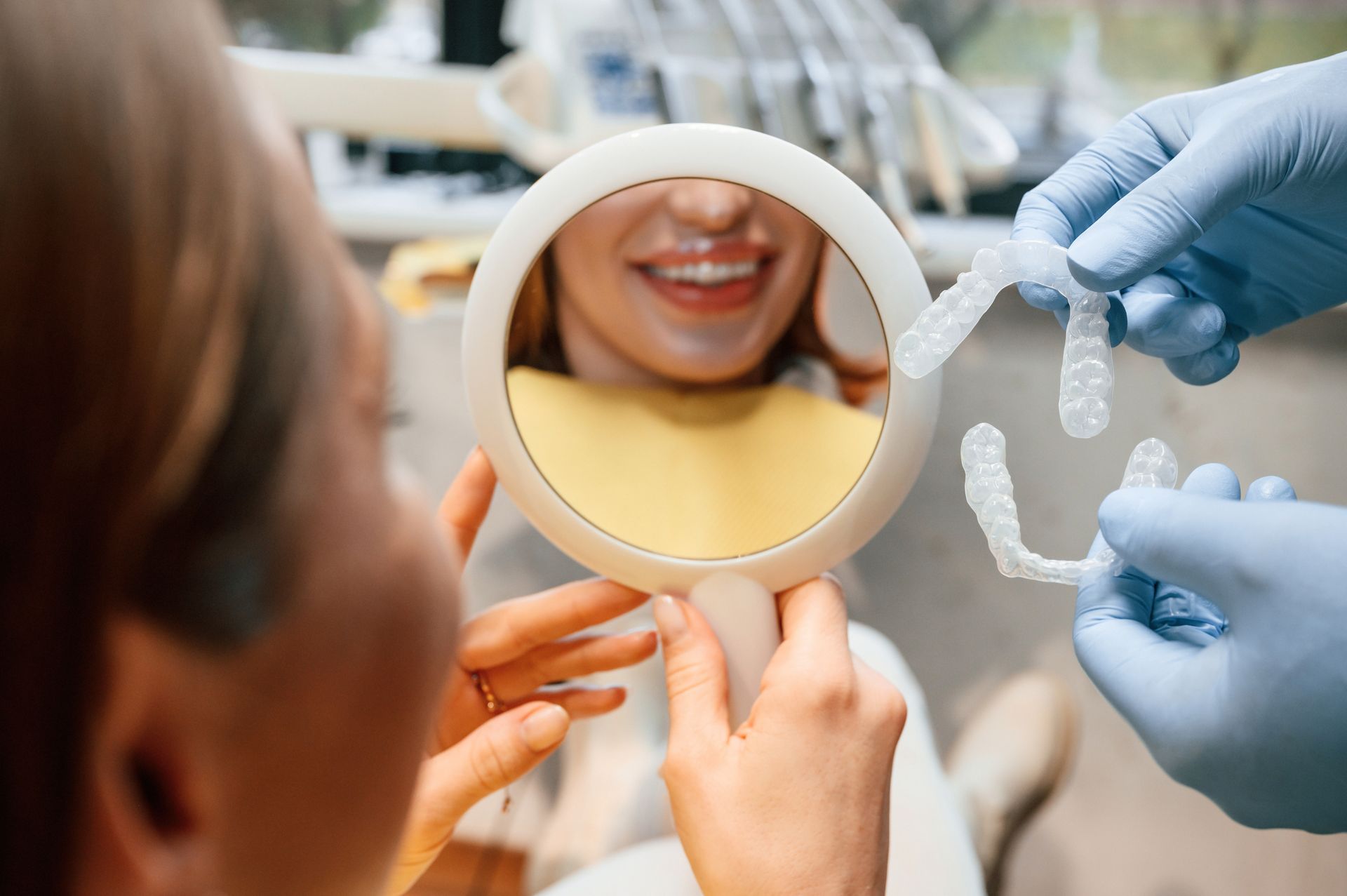
Invisalign is a clear aligner system that straightens teeth using a series of custom-made trays. Each tray makes small, planned moves. You wear one set for a short period, then switch to the next. Over time, those tiny changes add up to a big difference.
Because it's a clear aligner treatment time plan, your results depend a lot on daily wear. Invisalign works best when the aligners are in place most of the day and night.
How Invisalign Straightens Teeth
Your teeth move when steady pressure is applied over time. Invisalign aligners are designed to apply that pressure in a controlled way. The plan is mapped out ahead of time, then your aligners follow that map.
Some people also need:
- Attachments (small tooth-colored bumps that help aligners grip)
- Elastics (rubber bands for bite changes)
- Light reshaping between teeth (to create space)
These steps don't mean something is "wrong." They often help improve the final result and keep your Invisalign progress on track.
Key Stages of Treatment
Most Invisalign cases follow a similar set of Invisalign stages, even though the exact timeline varies:
- Planning and scanning
- Getting your first aligners
- Wearing and changing aligners on schedule
- Check-ins to monitor movement
- Refinements (extra aligners if needed)
- Retainers after treatment
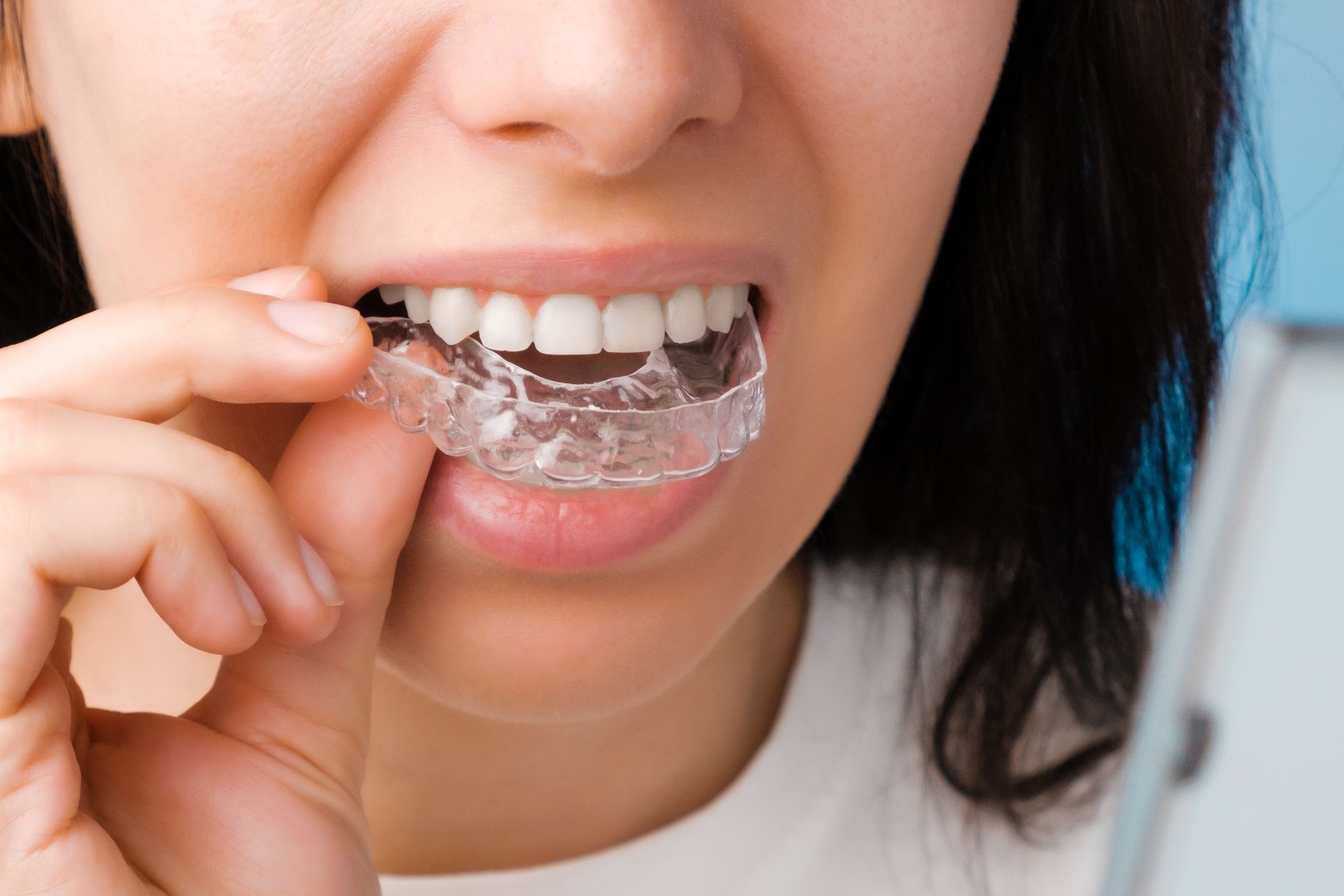
Average Invisalign Treatment Timeline
General Timeline for Most Patients
A typical Invisalign duration looks like this:
- Shorter cases: about 3 to 6 months (often minor crowding or spacing)
- Average cases: about 6 to 18 months
- Longer cases: 18 to 24+ months (more complex bite or movement needs)
This is why you'll see different answers online. Your Invisalign treatment length is based on your starting point and what you want to correct.
Treatment Duration by Case Type (Mild, Moderate, Complex)
Your Invisalign duration by case complexity is one of the biggest factors.
Mild cases may include:
- Small gaps
- Minor crowding
- Slight tooth rotation
Moderate cases may include:
- More crowding
- Noticeable spacing
- Several rotated teeth
- Mild bite concerns
Complex cases may include:
- Larger bite problems (overbite, underbite, crossbite)
- Teeth that need bigger rotations or vertical movement
- Relapse after past braces
- Cases needing elastics or multiple refinements
Complex does not mean "painful" or "impossible." It usually just means the orthodontic treatment timeline is longer and may include more steps.
Treatment Timeline by Age (Teens vs. Adults)
Age can influence the Invisalign treatment by age, but it's not the only factor.
Teens
- Often respond well because they're still growing
- But timing depends heavily on wear habits
- Some teens have "compliance indicators" to track wear time
Adults
- Often very consistent with wear
- But teeth can move a bit slower, especially with long-standing bite issues
- Adults may need more time for complex movement or refinements
Bottom line: a motivated teen can finish faster than an adult, and a consistent adult can finish faster than a teen. Wear time matters more than age in many cases. Learn more about how long Invisalign takes for adults specifically.
Factors That Affect How Long Invisalign Takes
Severity of Alignment Issues
Your starting point is the foundation of your timeline. The more movement needed, the more aligners you'll need. Bigger gaps, tighter crowding, and bite corrections usually take longer than minor cosmetic changes.
Patient Compliance with Aligner Wear
This is the biggest "you control it" factor.
Most plans require 20 to 22 hours per day of wear. If aligners are out too often, teeth don't track the way the plan expects. That can add time, cause extra appointments, and lead to refinements.
Common situations that slow things down:
- Taking aligners out for long meals
- Forgetting to put them back after snacks
- Not wearing them during travel or busy workdays
- Not wearing elastics as directed
Number of Aligners Needed
Your Invisalign treatment plan includes a certain number of aligners, and each one is usually worn for a set schedule (often 7 to 14 days). More aligners generally means more months.
Your provider may adjust the schedule based on how your teeth are responding. That's why check-ins are important.
Need for Refinements or Attachments
Many people need a refinement phase, extra aligners after the first set is done. Refinements are common and not a failure. They're just a way to fine-tune the last details.
Attachments can also affect timing. They often help treatment move more efficiently, but they can be part of more complex plans. Either way, they're normal in many Invisalign treatment phases.
What to Expect at Each Stage of Invisalign
Initial Consultation and Scanning
This stage is where your timeline starts to take shape. You'll typically have:
- A dental exam to confirm you're a good candidate
- A scan or impressions
- A discussion about your goals
- A review of bite issues, crowding, and spacing
Digital scans help create a clearer plan and allow your provider to measure progress over time. This stage is also where you'll learn the "why" behind your estimated timeline. Our advanced technology ensures precise treatment planning from the start.
Aligner Fabrication and Fitting
After your scan, aligners are made to match your plan. When they arrive, you'll get:
- Your first set of aligners
- Instructions for wear and cleaning
- A schedule for Invisalign aligner changes
- Any attachments placed if needed
The first week is usually an adjustment period. You may feel pressure, and your speech might sound slightly different for a day or two. Most people adapt quickly.
Aligner Changes and Monitoring Appointments
You'll switch aligners on a set schedule and come in for monitoring visits. These visits matter because they help confirm:
- Teeth are tracking correctly
- Attachments are doing their job
- Your bite is improving as planned
If something looks off, your provider can adjust the approach before it becomes a bigger delay. This helps keep your Invisalign treatment timeline predictable.
Refinement Phase (If Needed)
Refinements happen when the last few teeth need extra help to land perfectly. You may do:
- Another scan
- Another short set of aligners
Refinements can add weeks or months depending on what's needed. They're often the reason two people with "similar" cases finish at different times.
When Will You Start to See Results?
Visible Changes Over Time
People often ask about the noticeable Invisalign results timeline. Many patients start seeing small changes within a few weeks, especially if the front teeth are moving. That said, what you see and what's happening can be different.
Some movements are less visible but still important, like bite corrections and shifting back teeth. Even when you don't notice daily changes, your teeth may still be moving on schedule.
Managing Expectations During Treatment
It's normal for progress to feel uneven:
- Some aligners feel "active" and tighter
- Others feel lighter because teeth are already close to the next step
- Certain teeth (like canines) can take longer to rotate
The best mindset is steady and consistent. Invisalign is a process that rewards routine.
Staying on Track with Your Invisalign Timeline
Tips for Shortening Treatment Time
You can't "rush" tooth movement safely, but you can avoid delays. Helpful habits include:
- Wear aligners 20–22 hours daily
- Put aligners back in right after eating and brushing
- Keep aligners with you (case, travel toothbrush, floss)
- Follow your Invisalign wear schedule exactly
- Wear elastics as directed if they're part of your plan
- Attend monitoring appointments on time
These steps don't just keep treatment moving, they reduce the chance you'll need extra aligners later.
Habits That Can Delay Progress
Some common delays are easy to avoid:
- Skipping days (even occasionally)
- Wearing aligners only at night
- Switching aligners early without approval
- Losing aligners and waiting too long to replace them
- Not cleaning aligners (which can lead to irritation and missed wear)
- Not wearing retainers after treatment (which can cause relapse)
Small slips add up. Invisalign works best when it becomes part of your daily routine.
Importance of Following Your Treatment Plan
Your plan is built around steady, safe movement. When you stick to the plan, you're more likely to:
- Finish closer to your estimated time
- Have fewer refinements
- Get a result that feels stable and comfortable
If something doesn't feel right, like a tray not fitting well, tell your provider quickly. Catching small issues early protects your timeline.
Final Thoughts on Invisalign Timing
Your Personalized Treatment Timeline
So, how long does Invisalign take? For most people, it's months, not weeks, and the best estimate comes from a real exam and scan. Your timeline depends on:
- Your starting alignment
- Your bite goals
- Case complexity
- Wear consistency
- Whether refinements are needed
A personalized plan is the only way to get a reliable estimate for your exact teeth.
Why Local Expertise on the Main Line Matters
Invisalign looks simple on the surface, clear trays and a schedule, but real success comes from good planning and careful monitoring. Working with a local dental team on the Main Line makes it easier to stay consistent with check-ins, track progress, and adjust quickly if something changes. That support can make the process smoother, and help you finish as close to "on time" as possible. Explore our
cosmetic dentistry services to learn how Invisalign fits into your complete smile transformation.
Frequently Asked Questions
How long does Invisalign take to straighten teeth for most people?
Most Invisalign patients complete treatment in 6 to 18 months, though this varies widely. Minor cases with small gaps or slight crowding may finish in as little as 3 to 6 months, while complex cases involving significant bite corrections or multiple refinements can extend to 18 to 24+ months. Your specific timeline depends on your starting alignment, treatment goals, and how consistently you wear your aligners 20-22 hours daily.
Can I speed up my Invisalign treatment time?
You cannot safely accelerate tooth movement beyond what's planned, but you can avoid delays by wearing aligners 20-22 hours daily, switching trays only as directed, attending all monitoring appointments, and wearing elastics if prescribed. The biggest factor you control is compliance, missing even a few hours of wear time daily can slow progress and require additional refinements.
What happens if I don't wear my Invisalign aligners enough?
Insufficient wear time (less than 20-22 hours daily) prevents teeth from tracking properly with your treatment plan. This can lead to aligners not fitting correctly, extended treatment timelines, additional monitoring appointments, and the need for refinement trays. In some cases, treatment may need to be restarted with new impressions if teeth drift too far off track.
Will I need refinements, and how much time do they add?
Refinements are common and simply fine-tune your final results, they're not a sign of treatment failure. Many patients need one refinement phase, which typically involves a new scan and an additional set of aligners. Refinements can add anywhere from a few weeks to several months depending on how much adjustment is needed, but they ensure your teeth reach their optimal final position.
Does Invisalign work faster for adults or teens?
Speed depends more on compliance than age. Teens may have an advantage because their bones are still developing, but inconsistent wear habits can slow progress. Adults often wear aligners more consistently but may experience slightly slower tooth movement, especially with longstanding bite issues. A motivated, compliant patient of any age will typically complete treatment closer to the estimated timeline than someone who wears aligners inconsistently.