Do Dental Implants Hurt? What to Expect Before, During, and After Surgery

If you're wondering "do dental implants hurt?" Here's the straight answer: Most patients feel pressure during surgery, not pain, because the area is numbed with anesthesia. After the procedure, it's normal to have soreness, swelling, and tenderness for a few days, similar to other dental surgeries. At Ufberg Dental, our team helps patients through implant planning, surgery, and recovery every week. We use modern imaging, careful treatment planning, and proven comfort options to keep the experience as smooth as possible, and we'll walk you through what's normal, what's not, and how to feel better fast.
Understanding Dental Implants
What Are Dental Implants?
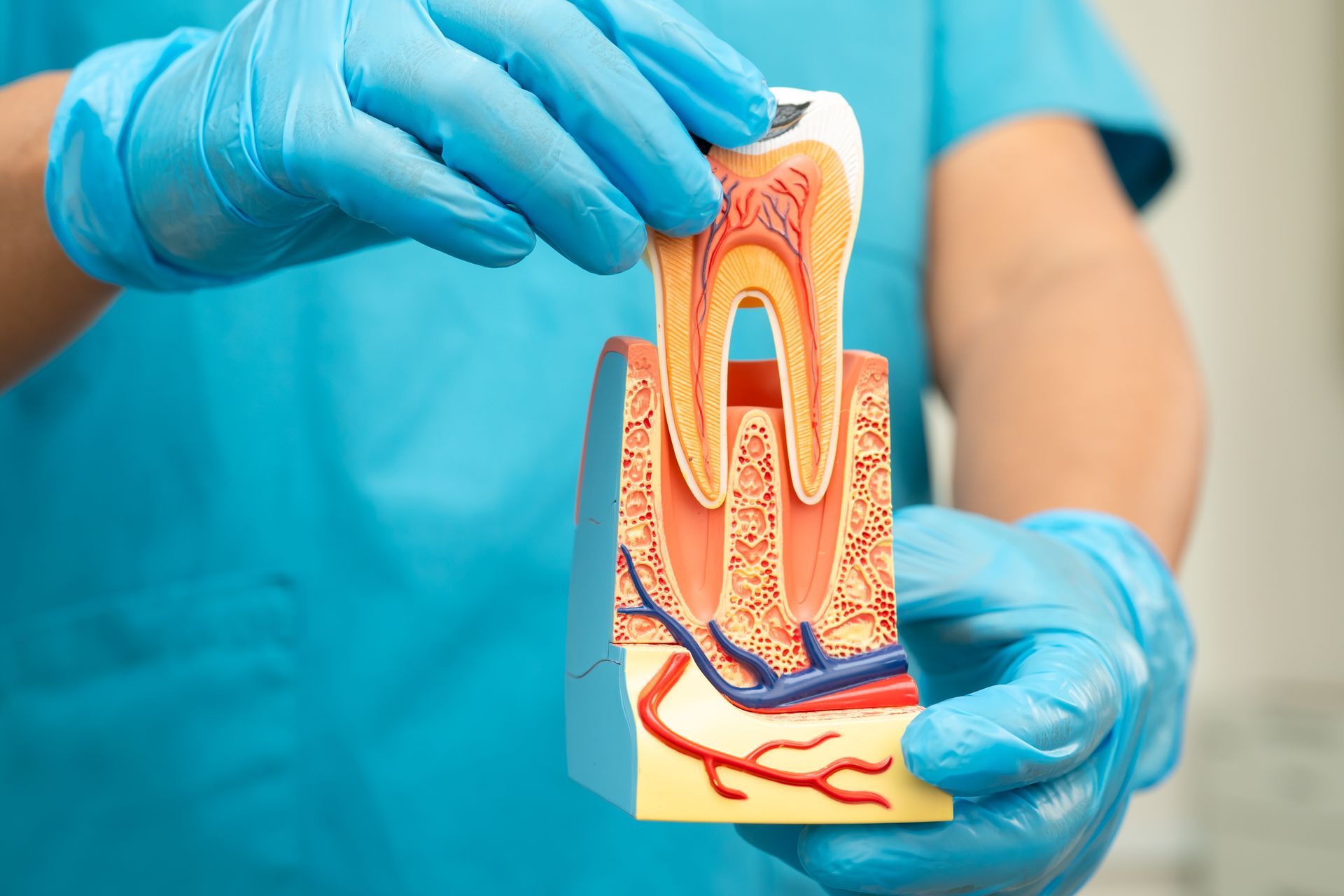
A dental implant is a small post (usually titanium) placed into the jawbone to replace a missing tooth root. After it heals, it supports a crown (the visible tooth), a bridge, or even a denture. Many people like implants because they are stable and feel close to natural teeth.
Why People Choose Dental Implants
People often choose implants because they can:
- Help you chew more comfortably than some removable options
- Support jawbone health by replacing the tooth root
- Look natural once the final crown is placed
- Avoid using nearby teeth for support (as with some bridges)
Overview of the Implant Procedure
The full dental implant procedure usually happens in stages. That matters because your comfort level can change from stage to stage. In simple terms, the process may include:
- Planning and imaging
- Implant placement (the surgical visit)
- Healing time (the implant bonds with bone)
- Final restoration (placing the crown)
Some patients also need extra steps, like a bone graft. That can affect the timeline and the level of dental implant recovery discomfort.

Pain Expectations Before Surgery
Consultation and Treatment Planning
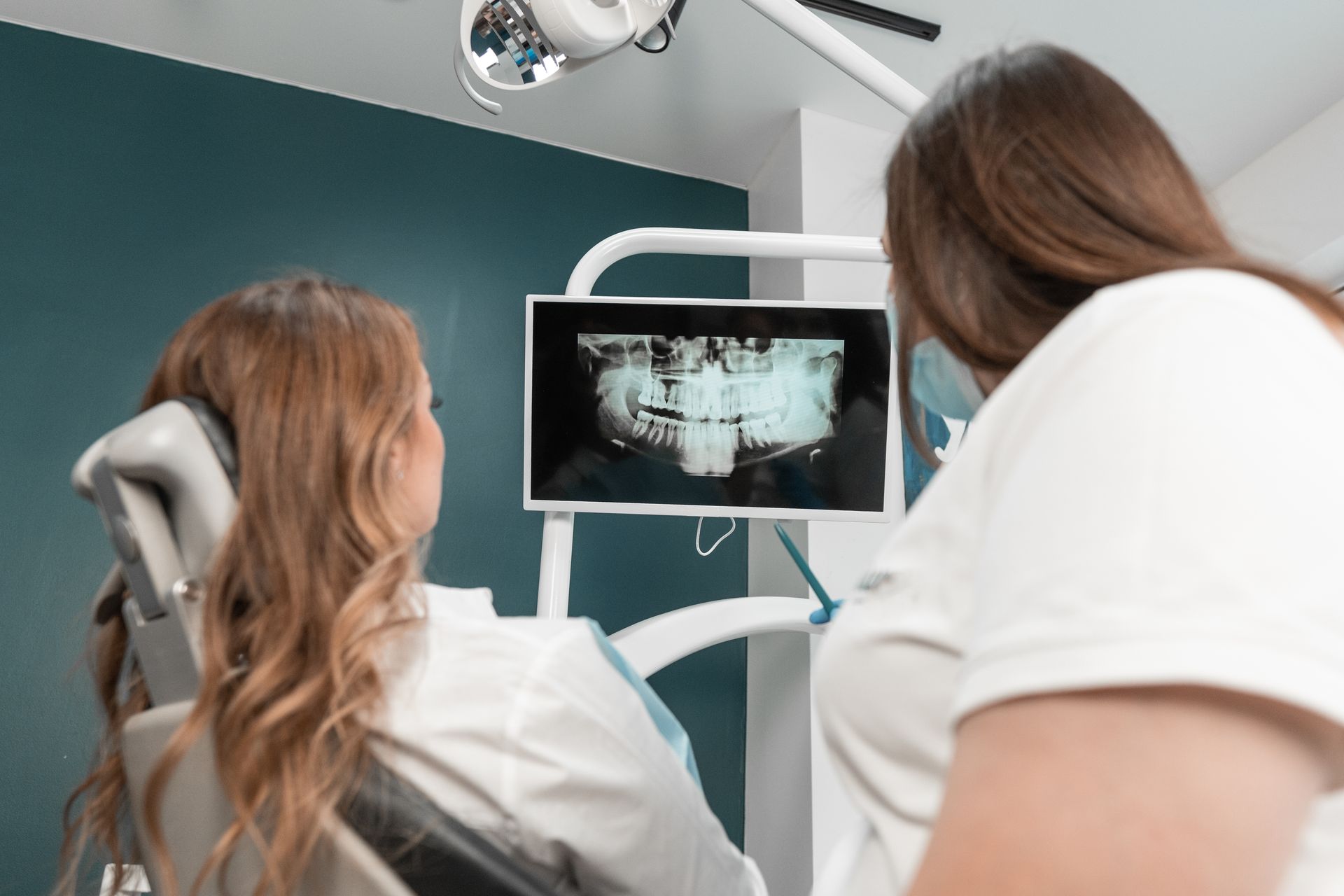
Before surgery, your dentist reviews your health history and takes images to plan the safest placement. This visit typically doesn't hurt. If your mouth is already sore from gum issues or a damaged tooth, you might have some sensitivity, but the planning itself is not painful.
This is also when you'll learn what type of anesthesia is best for you and what to expect after. Knowing the plan ahead of time often lowers stress and helps you feel more in control.
Pre-Surgery Anxiety and Sensitivity
For many people, the biggest "pain" before surgery is worry. It's normal to feel nervous about oral surgery pain, needles, or the idea of an implant in your jaw. Anxiety can also make your body tense, which can make sensations feel stronger.
If you're anxious, tell your dentist. Comfort options may include calming techniques, short-acting medication, or sedation dentistry depending on your needs and medical history.
How We Prep You to Minimize Discomfort
Good prep can reduce dental implant pain after surgery. Your dentist may recommend:
- A plan for pain relief medications and guidance (what to take and when)
- Eating a good meal beforehand if you're allowed (this depends on sedation type)
- A soft-food grocery list for the first few days
- Clear post-op instructions so you don't have to guess
What Happens During Implant Surgery
Local Anesthesia and Sedation Options
During implant placement, the area is numbed with local anesthesia. This numbing is what prevents pain during dental implants. You may still feel pressure or vibration, but sharp pain is not expected.
Some patients also choose sedation. Sedation can help you feel relaxed and less aware of the procedure. Options vary by office and your health status, but the goal is the same: comfort and safety.
Step-by-Step of the Surgical Process
While every case is different, implant placement often follows a similar pattern:
- The gum is gently opened to access the bone
- The dentist prepares the implant site
- The implant is placed in the bone
- The area is closed with stitches if needed
If you need a bone graft, that may happen before implant placement or at the same appointment. Bone graft pain can vary, but it's often described as extra soreness rather than severe pain.
What You'll Feel (Sensation vs. Pain)
Many people ask, "how painful are dental implants?" During the procedure, most report:
- Pressure
- Pushing
- Vibration
- Tugging
You should not feel sharp pain. If you do, you can signal the dental team right away. More numbing can be added. You're not expected to "tough it out."
Pain and Discomfort After Surgery
Typical Post-Op Sensations
After the numbness wears off, it's normal to feel:
- Soreness at the implant site
- Mild to moderate swelling after implants
- Tender gums
- Minor bruising
- A "tight" feeling when opening wide
This is common implant surgery discomfort and usually improves each day.
What's Normal vs. What's Not
Normal discomfort often includes soreness that responds to recommended medication and slowly fades.
Call your dentist if you have:
- Pain that gets worse after the first few days instead of better
- Swelling that rapidly increases
- Fever or chills
- Pus, bad taste, or strong odor from the site
- Bleeding that won't slow down
- Numbness that doesn't improve
It's always better to ask early. Quick help can prevent bigger problems. If you're experiencing any concerning symptoms, don't hesitate to contact us for dental emergencies.
How Long Discomfort Lasts
A common question is how long does implant pain last. Many patients feel the most soreness in the first 24–72 hours. After that, discomfort usually drops each day.
Typical healing milestones (varies by person):
- Days 1–3: peak soreness and swelling
- Days 4–7: swelling fades, soreness improves
- Weeks 2–3: gums feel much more normal
- Months: deeper healing continues as the implant bonds to bone
Managing Pain and Recovery
Pain Relief Medications and Guidance
Your dentist will recommend the safest pain plan for you. Many patients do well with over-the-counter medication, while some need a stronger option for a short time. Always follow instructions and avoid mixing medications unless your dentist or physician confirms it's safe.
Also avoid smoking and heavy alcohol during early healing, since both can slow the healing process dental implants need.
Cold Therapy and Post-Op Care
Cold therapy is a simple way to reduce swelling and soreness. Many patients use an ice pack on and off during the first day. Gentle care helps too:
- Rest the day of surgery
- Keep your head slightly elevated
- Avoid heavy exercise for a short period (your dentist will guide you)
Keep the area clean, but be gentle. Your dentist may suggest a rinse or specific brushing instructions near the implant placement site. For more guidance on maintaining oral health during recovery, explore our preventative dentistry services.
Eating, Drinking, and Activity Tips
Soft foods help you heal comfortably:
- Yogurt, smoothies (no straw at first if advised)
- Eggs, oatmeal, soup (not too hot)
- Mashed potatoes, soft pasta
- Fish or shredded chicken after a few days
Avoid hard, crunchy foods that can irritate the implant site soreness, like chips, nuts, or crusty bread. Also avoid very hot foods right away, since heat can increase bleeding and swelling.
Factors That Affect Pain Levels
Bone Grafting and Its Impact
If you need a bone graft, you may have more soreness and a slightly longer recovery. That doesn't mean the procedure will be "bad", it just means your body has more healing to do. The goal is to create strong support for your implant.
Number of Implants and Surgical Complexity
A single implant can feel like a small surgery area. Multiple implants or a larger restoration can mean:
- More swelling
- More tenderness
- A longer time on soft foods
Complex cases can also include extra steps, which may increase dental implant recovery discomfort. For patients considering alternatives, you may want to learn about the benefits of dentures over implants.
Individual Pain Threshold and Healing Ability
Everyone feels pain differently. Your comfort can also be affected by:
- Stress and sleep
- Medical conditions that impact healing
- How closely you follow post-op instructions
- Oral hygiene during recovery
- Whether you grind or clench your teeth
Being honest with your dentist about your health and habits helps them plan safer care.
Signs of Complications to Watch For
When Pain Is More Than Expected
Some discomfort is normal. But pain that feels sharp, sudden, or increasing can be a sign something needs attention. You should not feel "worse and worse" as days pass.
Signs of Infection or Issues
Watch for:
- Increasing swelling after day 3
- Redness spreading beyond the site
- Pus or drainage
- Bad taste that doesn't go away
- Fever
Also tell your dentist if your bite feels off or if the area feels unstable.
When to Contact Your Dentist
Contact your dentist if you're unsure. A quick check can confirm whether you're healing normally or need help. Early support can protect your implant and your comfort.
What to Expect Long Term
Healing Timeline Week by Week
While your gums may feel better in days to weeks, the implant continues to heal under the surface:
- First week: swelling and tenderness settle down
- Weeks 2–4: gums strengthen and feel more normal
- Next several months: the implant bonds with bone (this is key for long-term strength)
Your dentist will monitor progress and decide the right time for the final restoration.
When Pain Should Fully Resolve
Most patients are back to normal comfort within a week or two for the surgical site, though minor sensitivity can linger a bit longer. Long-term pain is not expected. If you have ongoing discomfort, it's important to get it checked.
Enjoying Your New Smile Without Discomfort
Once fully healed and restored, implants are designed to function like natural teeth. You should be able to chew, smile, and speak comfortably. The goal of the process is not just a new tooth, it's a stable result that feels good day to day. Our cosmetic dentistry and restorative dentistry services can help you achieve the smile you've always wanted.
Frequently Asked Questions
How painful is dental implant surgery compared to a tooth extraction?
Most patients report that dental implant surgery is similar to or less painful than a tooth extraction. During the procedure, you'll be numbed with local anesthesia, so you won't feel pain, just pressure and vibration. After surgery, soreness is typically manageable with over-the-counter pain medication and peaks within the first 72 hours before steadily improving.
Can I go to work the day after getting dental implants?
Many patients return to work the next day, especially if their job doesn't involve heavy physical activity. However, you may experience swelling, tenderness, and some fatigue from the procedure. If possible, scheduling a day or two off can help you rest and manage any discomfort more comfortably during the peak recovery period.
What's the worst day of pain after dental implant surgery?
For most patients, days 2-3 after surgery tend to be when soreness and swelling peak. After this point, discomfort typically decreases each day. By the end of the first week, most people feel significantly better, with only mild tenderness remaining. If pain increases after day 3 instead of improving, contact your dentist right away.
Will I need prescription pain medication after dental implants?
Not necessarily. Many patients manage post-operative discomfort well with over-the-counter medications like ibuprofen or acetaminophen. Your dentist will assess your specific case and may prescribe stronger pain relief for more complex procedures, multiple implants, or if you have a lower pain tolerance. Always follow your dentist's recommended pain management plan.
How long until I can eat normally after dental implant surgery?
You should stick to soft foods for the first 3-7 days after surgery to avoid irritating the surgical site. Most patients can gradually return to their normal diet within 1-2 weeks as soreness subsides. However, avoid very hard, crunchy, or chewy foods near the implant site until your dentist confirms the area has healed sufficiently, typically several weeks after surgery.