Cosmetic Dentist on the Main Line: Veneers, Whitening, and Smile Makeovers Explained

If you're thinking about improving your smile, you probably want clear, honest information, not hype. At Ufberg Dental on the Main Line, our team focuses on cosmetic and restorative dentistry and has helped many local patients repair chipped teeth, brighten stained enamel, and completely transform their smiles. We use modern techniques like porcelain veneers, professional teeth whitening, and digital smile planning, and every recommendation is based on your oral health, your goals, and current dental science. This guide is meant to share that knowledge so you can make confident decisions, though it's not a replacement for a one-on-one cosmetic dental consultation.
Understanding Cosmetic Dentistry on the Main Line
What "cosmetic dentistry" means and how it differs from general dentistry
General dentistry focuses on keeping your mouth healthy, cleanings, fillings, treating gum disease, and checking for problems.
Cosmetic dentistry focuses on how your teeth and smile look, while still protecting or improving your oral health.
A cosmetic dentist may use:
- Teeth whitening to remove stains
- Veneers or Lumineers to change shape, color, and alignment
- Dental bonding or tooth reshaping to fix chips and rough edges
- Gum contouring to adjust a "gummy" or uneven smile
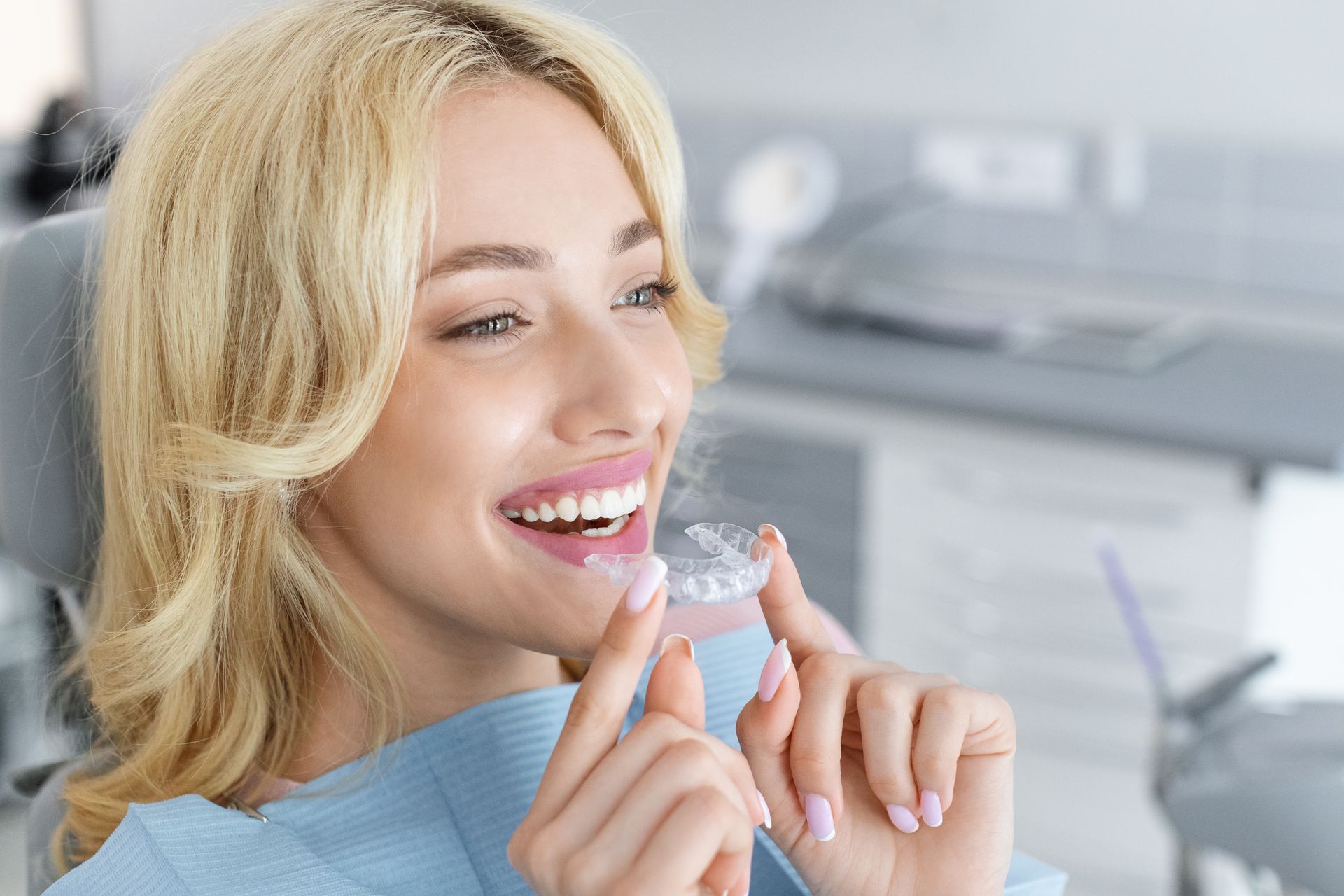
- Invisalign for adults to straighten crowded or spaced teeth
In many cases, cosmetic and general dentistry overlap. A chipped tooth, for example, can be repaired with bonding or a crown to restore strength and improve appearance.
Why Main Line patients are increasingly interested in aesthetic dental services
Patients on the Main Line often have careers and social lives where they interact with people all day. A confident smile can matter in:
- Job interviews and professional meetings
- Social events, weddings, and photos
- Everyday interactions where you simply want to feel like your best self
People also live longer and want their teeth to look as good as they feel. Modern cosmetic dental procedures are more:
- Predictable – thanks to digital smile design and modern materials
- Comfortable – with gentle techniques and improved numbing options
- Natural-looking – porcelain veneers and crowns that blend with your smile
All of this makes aesthetic dentistry more appealing and accessible than ever.
The role of a cosmetic dentist in enhancing smiles and confidence
A cosmetic dentist's job is not just to make teeth whiter. The goal is to create a balanced, natural-looking smile that fits:
- Your face shape
- Your skin tone
- Your personality and lifestyle
At a cosmetic dental consultation, your dentist will:
- Listen to what you like and don't like about your smile
- Evaluate your teeth, gums, and bite
- Suggest options from minor whitening to a full smile makeover
- Explain the pros, cons, costs, and expected results of each treatment
Good cosmetic dentistry should enhance your confidence while keeping your teeth healthy and functional for the long term.
Core Cosmetic Services Offered
Veneers – what they are, how they work, and when they're recommended
Veneers are thin, custom-made shells that cover the front of your teeth. They're usually made from porcelain, which is strong, stain-resistant, and can be shaped to look like natural enamel.
What veneers can improve:
- Deep stains that don't respond to whitening
- Worn or short teeth
- Chipped or cracked teeth
- Gaps between teeth
- Teeth that are slightly crooked or uneven
How they work:
- Your dentist designs your new smile based on photos, models, and your goals.
- A small amount of enamel is gently reshaped on the front of the tooth (in some cases, ultra-thin veneers or Lumineers require minimal or no reshaping).
- Temporary veneers are placed while your porcelain veneers are custom-crafted.
- At the final visit, the veneers are bonded to your teeth and adjusted for comfort and bite.
Veneers are often chosen by Main Line patients who want a big change in a short amount of time, especially for a smile makeover. Learn more about whether veneers can get cavities.
Professional Teeth Whitening – methods, benefits, and ideal candidates
Professional teeth whitening is one of the quickest ways to refresh your smile.
Main options:
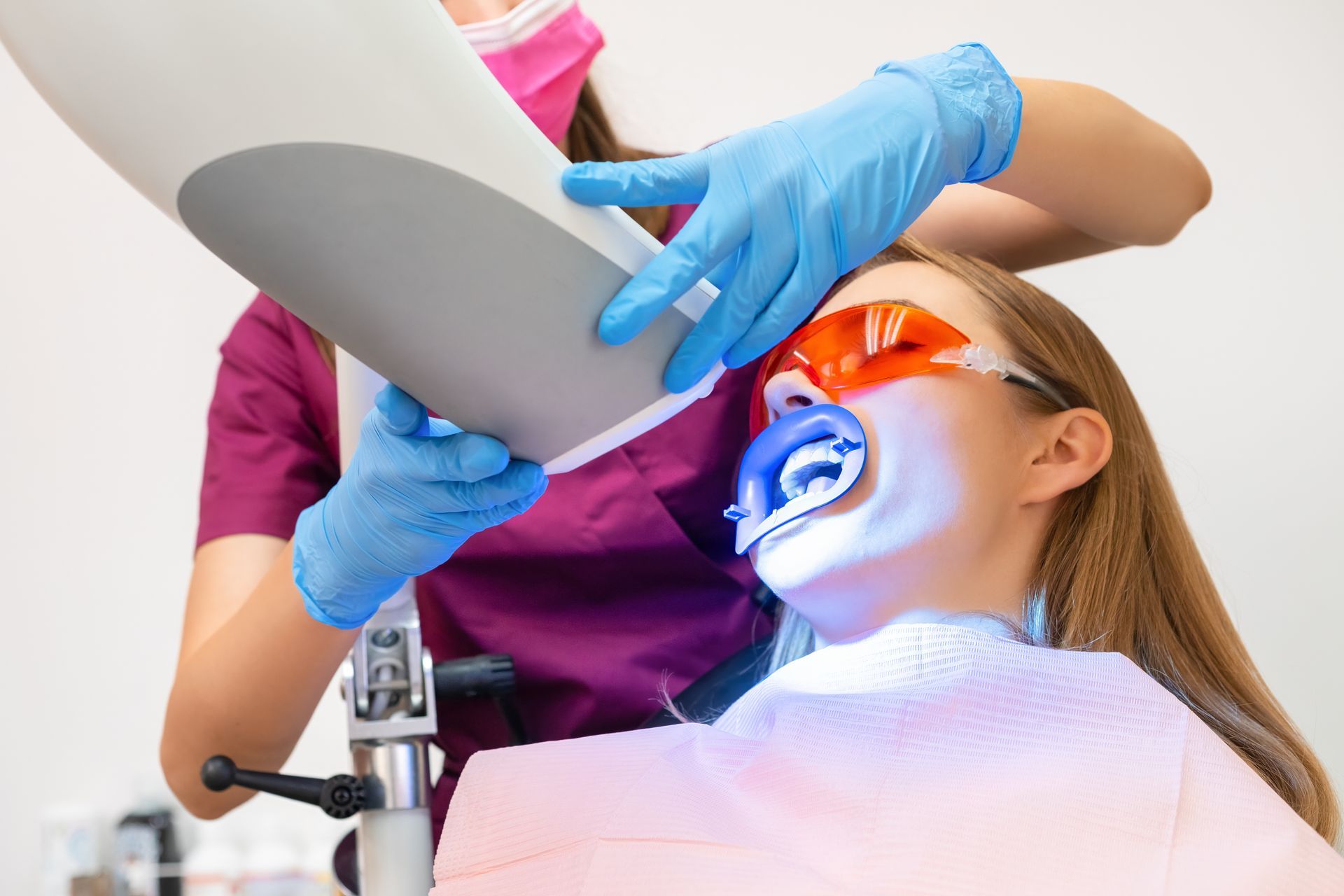
- In-office whitening: A stronger whitening gel is applied by your dentist for fast results, often in about an hour. We offer
Zoom teeth whitening
for dramatic, immediate results.
- Custom take-home trays: Clear trays and professional-strength gel you wear at home over several days or weeks.
Benefits of professional whitening:
- More even, predictable results than over-the-counter products
- Lower risk of gum irritation, because the dentist protects your tissues
- Ability to control the shade so your teeth still look natural
Ideal candidates:
- Have healthy teeth and gums
- Have stains from coffee, tea, red wine, or aging
- Understand that whitening does not change the color of crowns, veneers, or fillings
If you have very sensitive teeth, your cosmetic dentist can adjust the strength and timing or suggest other options.
Smile Makeovers – combining treatments for a complete transformation
A smile makeover is a personalized plan that may combine several cosmetic dental procedures, such as:
- Porcelain veneers or Lumineers
- Professional teeth whitening
- Dental bonding and tooth reshaping
- Invisalign for adults
- Gum contouring
- Dental crowns on damaged or root-canal treated teeth
Using digital smile design, your dentist can plan how each tooth will look and fit together. The goal is a custom smile design that:
- Matches your face and lips
- Works well when you talk and chew
- Looks natural in both photos and real life
Smile makeovers are a good fit for patients who want more than just one tooth fixed, they want a full smile transformation.
Who Makes a Good Candidate?
Oral health prerequisites (gum health, tooth condition, alignment)
Before any cosmetic treatment, your dentist will check that your mouth is healthy. You may be a good candidate if:
- Your gums are free of active disease (no untreated gum infection or heavy inflammation)
- Your teeth are free of untreated cavities or infections
- Your bite is reasonably stable
If you have issues like gum disease or untreated decay, those problems should be addressed first. Cosmetic dentistry works best on a healthy foundation.
Lifestyle and aesthetic goals (maintenance, expectations, habits)
Your lifestyle also plays a big role:
- Habits: Smoking, heavy coffee or red-wine drinking, and grinding your teeth can affect how long whitening, veneers, and bonding last.
- Maintenance: Are you willing to wear a nightguard if you clench? Will you come in for regular cleanings and checkups?
- Expectations: Do you want a bright "Hollywood" smile or a more subtle, natural look?
Talking honestly with your cosmetic dentist helps create a plan that fits your real life, not just a photo.
When additional treatments (orthodontics, gum contouring) might be needed
Sometimes, extra steps are needed before or along with cosmetic care:
- Invisalign for adults may be recommended if your teeth are too crowded or rotated for veneers alone.
- Gum contouring may be needed if you have a "gummy" smile or uneven gumlines.
- Dental crowns or other restorative care may be needed if teeth are cracked, heavily filled, or weak.
These treatments help make sure your final smile looks great and functions well for many years.
What to Expect During Your Treatment Journey
Initial consultation and smile analysis
Your journey usually starts with a cosmetic dental consultation, which may include:
- A conversation about your goals and concerns
- Photos, x-rays, and a full exam
- A discussion of what bothers you most about your teeth or gums
- An honest talk about what's realistic within your budget and timeline
You should leave this visit with a clear idea of your options and next steps.
Treatment planning and preview of results
Next comes planning. Your cosmetic dentist may:
- Use digital photos and software to preview possible results
- Take impressions or 3D scans of your teeth using
advanced technology
- Create a "wax-up" model or temporary trial smile so you can see the shape changes
This planning stage lets you and your dentist agree on:
- Tooth shape and length
- Shade (color) of veneers, crowns, or whitening results
- Which teeth will be treated and in what order
The actual procedure day(s): steps for veneers, whitening, makeovers
Your treatment timeline depends on what you choose:
- Whitening: In-office treatment usually takes around an hour. Take-home trays involve short daily sessions over a few weeks.
- Veneers: Often two to three visits, one for planning, one for tooth preparation and temporaries, and one for final placement.
- Smile makeover: May stretch over several visits or months, especially if orthodontics or gum treatments are involved.
Your dentist will explain each step before starting, including how long you'll be in the chair and what kind of numbing or comfort options will be used.
Immediate post-treatment care and what to do in the first days
Right after treatment, you may notice:
- Mild sensitivity to hot or cold, especially after whitening or veneer preparation
- Slight tenderness in your gums if you've had gum contouring
- An adjustment period as you get used to the feel of your new teeth
Simple tips often include:
- Avoiding very hard, sticky, or dark-colored foods right away
- Using any prescribed sensitivity toothpaste or rinses
- Calling the office if your bite feels "off" or if something doesn't feel right
Most patients return to normal activities very quickly.
Maintenance and Longevity of Your Results
Daily at-home care and hygiene habits
To keep your smile looking its best:
- Brush twice a day with a soft-bristled toothbrush
- Floss or use interdental cleaners daily
- Limit staining drinks like coffee, tea, and red wine, or rinse with water afterward
- Avoid biting ice, pens, or other hard objects that can chip veneers, bonding, or crowns
Good home care helps protect both natural teeth and cosmetic work.
Professional follow-up visits and periodic refresh treatments
Regular dental visits through our preventative dentistry program, usually every six months, are still important. At these appointments, your dentist can:
- Check veneers, crowns, and bonding for any early wear
- Gently polish away surface stains
- Refresh your whitening when needed
- Make sure your gums stay healthy around your cosmetic restorations
Over time, small touch-ups can help your smile continue to look fresh.
How long various treatments last and what affects their lifespan
Lifespans vary from person to person, but in general:
- Professional teeth whitening: Results may last months to a couple of years, depending on diet and habits; many patients do quick "touch-ups."
- Dental bonding: Often lasts several years, but can stain or chip sooner than porcelain.
- Porcelain veneers and crowns: With good care, many last 10–15 years or longer.
Factors that affect longevity include grinding or clenching, oral hygiene, diet, and whether you wear any recommended nightguards or retainers. For specific information about crown options, read about porcelain jacket crowns.
Advantages & Considerations for Main Line Patients
Benefits of choosing a local cosmetic dentist (accessibility, specialised care)
Working with a local Main Line cosmetic dentist offers several advantages:
- Easy access for multiple visits, adjustments, and follow-ups
- A team familiar with your full dental history
- The ability to coordinate cosmetic, restorative, and preventive care in one office
- Ongoing support if something ever chips, loosens, or needs to be refined
This kind of long-term relationship can make your cosmetic care smoother and more personalized.
Important considerations (cost, sensitivity, trade-offs)
Cosmetic dentistry is an investment, and it's important to understand:
- Cost: Some procedures, like veneers and full smile makeovers, are a larger investment and may not be fully covered by
insurance.
- Sensitivity: Whitening and some procedures can cause temporary tooth or gum sensitivity.
- Tooth changes: Veneers and crowns often require removing a thin layer of enamel; this is a permanent change, so the decision should be thoughtful.
A good cosmetic dentist will explain all trade-offs and help you choose what fits your goals, budget, and comfort level.
How to evaluate a cosmetic dentist: credentials, portfolio, patient reviews
When comparing cosmetic dentists on the Main Line, consider:
- Training and focus on cosmetic or aesthetic dentistry
- Before-and-after photos of real patients with similar concerns from our
smile gallery
- Clear explanations of options and no pressure to choose the most expensive treatment
- Honest reviews from patients about their experience and outcomes
You should feel heard, respected, and informed during every visit.
Moving Forward with Confidence
How to prepare for your consultation (questions to ask, what to bring)
To make the most of your consultation:
- Think about what you'd like to change (color, shape, gaps, chips, "gummy" smile, etc.).
- Bring a list of medications and your dental history if you have it.
- Save photos of smiles you like, these can help your dentist understand your style.
Helpful questions to ask:
- What are all my options, from simplest to most involved?
- How long will treatment take?
- What will maintenance look like?
- What results are realistic for my teeth?
Check our FAQ page for more common questions.
Financing and timing considerations for cosmetic dental services
Many patients choose to plan cosmetic care around:
- Major life events, weddings, graduations, big career moments
- Vacation or slower work seasons
- Flexible payment options or health-care financing plans
Your cosmetic dentist's team can review costs, potential insurance benefits for any medically necessary parts, and financing options if available.
Final thoughts on choosing the right path for your smile transformation
Improving your smile doesn't have to be overwhelming. Whether you're interested in simple professional teeth whitening, a few porcelain veneers, or a full smile makeover, the key is to work with a cosmetic dentist who listens, explains, and designs a treatment plan around you.
If you're on the Main Line and are curious about what veneers, whitening, or a custom smile makeover could do for you, the next step is a simple one: schedule a cosmetic dental consultation at Ufberg Dental. We'll evaluate your oral health, discuss your goals, and walk you through clear options, no pressure, just honest guidance, so you can move forward with confidence toward the smile you've always wanted.
Learn more about our team and explore our comprehensive dental services.
Frequently Asked Questions About Cosmetic Dentistry
Do veneers ruin your natural teeth permanently?
Veneers require removing a thin layer of enamel (typically 0.5mm) from the front surface of your teeth, which is permanent and irreversible. However, this doesn't "ruin" your teeth, it's a controlled modification to create space for the veneer and ensure a strong bond. Your tooth structure remains healthy and functional underneath. The key is working with an experienced cosmetic dentist who removes only what's necessary. Some ultra-thin veneer options require minimal to no tooth reduction, though they're not suitable for every case. Once you have veneers, you'll always need some form of coverage on those teeth, whether replacement veneers or crowns.
How do I know if I need veneers or just whitening?
Whitening is ideal if your main concern is tooth color and your teeth are otherwise well-shaped, properly aligned, and free of chips or significant wear. If you have structural issues, like chips, cracks, gaps, severe discoloration that won't respond to bleaching (such as tetracycline staining), or teeth that are worn down or misshapen, veneers are typically the better solution. During your consultation, your dentist can show you what whitening alone might achieve versus what veneers could do. Many patients start with whitening to improve their natural teeth and only use veneers on specific problem teeth, creating a cost-effective hybrid approach.
Can I get cosmetic dentistry if I have crowns or dental implants?
Yes, but with important limitations. Whitening treatments don't change the color of existing crowns, veneers, bridges, or dental implants, only natural tooth enamel responds to bleaching agents. If you whiten your natural teeth, your existing restorations may no longer match and might need replacement to achieve a uniform smile. Veneers can be placed on natural teeth adjacent to crowns or implants, and your cosmetic dentist will carefully match colors across all visible teeth. If you're planning both restorative work and cosmetic improvements, the ideal sequence is usually: complete any necessary crowns or implants first, then whiten your natural teeth, and finally match any new cosmetic work to your brightened smile.
Will people be able to tell I've had cosmetic work done?
When done well by an experienced cosmetic dentist, the goal is for your smile to look naturally beautiful, not obviously "done." Modern porcelain materials can replicate the translucency, texture, and subtle color variations of natural enamel. The key factors are choosing appropriate tooth proportions for your face, selecting a shade that complements your skin tone rather than going too white, and creating slight natural variations rather than perfectly uniform teeth. Some patients specifically request a more dramatic, ultra-white "celebrity" look, which is achievable but will be more noticeable. During planning, you can discuss your preferences and even preview results digitally to ensure the final outcome matches your comfort level.
How much does a smile makeover typically cost, and is it worth it?
Smile makeover costs vary widely based on what's included. Simple cases might involve whitening plus 2-4 veneers ($4,000-$8,000), while complete transformations with 8-10 veneers, orthodontics, or gum contouring can range from $15,000-$40,000 or more. Most dental insurance doesn't cover purely cosmetic procedures, though portions that address function (like replacing broken teeth) may receive partial coverage. Many practices offer financing plans to spread costs over time. As for worth, this is deeply personal. For patients whose confidence, career opportunities, or quality of life has been limited by their smile, the investment often proves transformative. Others find that modest improvements deliver satisfying results at lower cost. A thorough consultation helps match your goals and budget to realistic treatment options.