Teeth Whitening Sensitivity: Causes, Prevention, and What Helps

Teeth whitening causes sensitivity because the peroxide in whitening products passes through the enamel and briefly irritates the nerve inside the tooth. It usually shows up as short zings of cold sensitivity or a dull ache, it is almost always temporary, and it does not cause permanent damage. Most people feel it for a day or two up to about a week, and it can be prevented or eased with a desensitizing toothpaste, a lower-strength product, and a few simple habits before and after whitening.
At Ufberg Dental in Berwyn, we whiten teeth for patients across the Main Line every week, so we know exactly how to get you a brighter smile with as little sensitivity as possible. This guide explains why whitening causes sensitivity, how long it lasts, how to prevent it, and when a twinge is actually a sign to call your dentist.
In This Guide
- Why Whitening Causes Sensitivity: What's happening inside the tooth.
- How Long It Lasts: The typical timeline.
- Is It Damaging My Teeth?: The straight answer.
- Who Is More Prone to It: Risk factors.
- How to Prevent It: Before, during, and after.
- What Helps When It Already Hurts: Fast relief.
- Does Professional Whitening Hurt Less?: The dentist difference.
- When to See a Dentist: The signs that matter.
- Frequently Asked Questions: Quick answers.

Why Whitening Causes Sensitivity
Whitening sensitivity is not a sign that something has gone wrong. It is a normal, temporary response to how whitening actually works, and understanding the mechanism makes it far less worrying.
How Whitening Reaches the Nerve
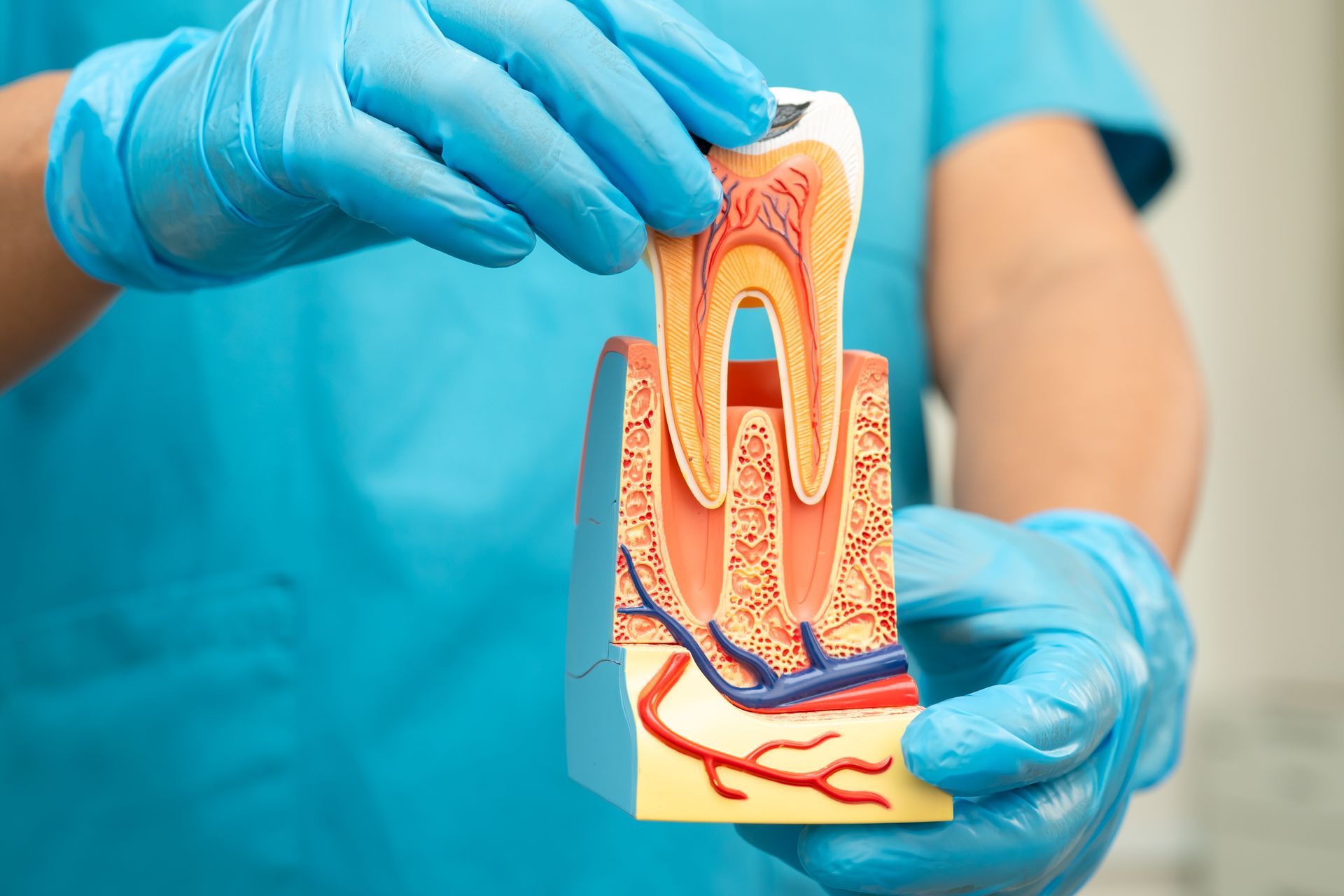
The active ingredient in nearly all whitening products, whether professional or over the counter, is a peroxide, either hydrogen peroxide or carbamide peroxide. That peroxide lifts stains by passing through the enamel and into the dentin, the softer layer beneath. Dentin is threaded with microscopic channels called tubules that connect to the nerve at the center of the tooth. As the peroxide moves through, it can irritate that nerve, which your tooth registers as a sharp zing or a dull ache, especially with cold. This is the same pathway behind everyday sensitivity to cold drinks, which is why whitening sensitivity feels familiar to anyone who already gets the occasional twinge.
Why Teeth Feel More Sensitive for a While
Whitening also makes the enamel temporarily more porous and can draw some minerals out of the surface as it works. That leaves the tooth briefly less insulated, so hot, cold, and sweet sensations reach the nerve more easily than usual. It sounds alarming, but it reverses on its own as your saliva naturally remineralizes the enamel over the following days, which is why the sensitivity fades.
How Long It Lasts
For most people, whitening sensitivity is short-lived. It often appears during or shortly after a treatment and settles within a day or two, and it is usually gone within a few days once you stop whitening. In some cases, particularly with stronger products or frequent use, it can linger for up to two weeks.
The key pattern is that it should be steadily improving, not getting worse. Sensitivity that is fading a little each day is behaving exactly as expected. Sensitivity that intensifies, lasts beyond two weeks, or shows up as sharp pain in one specific tooth is worth having checked, since that is no longer the typical whitening response.
Is It Damaging My Teeth?
This is the question almost everyone asks, and the reassuring answer is no. Whitening sensitivity does not cause permanent damage to healthy teeth. The peroxide is irritating the nerve and temporarily changing the enamel's surface, but it is not eroding or harming the tooth in any lasting way, and the enamel remineralizes back to normal.
The important qualifier is healthy teeth. If you have untreated cavities, cracks, worn enamel, exposed roots, or gum recession, whitening can aggravate those existing problems and cause more pronounced discomfort. That is not the whitening damaging a sound tooth; it is the whitening finding a weak spot that was already there. This is exactly why a quick dental check before whitening is worthwhile, especially if your teeth are already sensitive.
Who Is More Prone to It
Some people breeze through whitening with no discomfort at all, while others feel it more. A few factors tend to make sensitivity more likely.
- Thin or worn enamel, which offers less insulation between the peroxide and the nerve.
- Gum recession or exposed tooth roots, since roots lack the enamel that protects the crown.
- Pre-existing tooth sensitivity, which whitening tends to amplify.
- Untreated cavities or cracks, which give the peroxide an easier path inward.
- Over-whitening, meaning treatments used too often or left on too long.
If two or three of these apply to you, it does not mean you cannot whiten. It means whitening under a dentist's guidance, with the right product and preparation, will make a big difference in your comfort.
How to Prevent It
The best time to deal with whitening sensitivity is before it starts. A little preparation and the right approach during treatment prevent most of it.
Before You Whiten
Start using a desensitizing toothpaste, the kind with potassium nitrate and fluoride, for a week or two before whitening. Potassium nitrate calms the nerve while fluoride strengthens the enamel, so your teeth go into the treatment better protected. It is also smart to have a dentist confirm there are no cavities or exposed roots first, since treating those beforehand prevents the worst of the discomfort.
During and After
Choose a product with a sensible peroxide concentration rather than the strongest one available, and follow the timing instructions instead of leaving it on longer for faster results. Space your treatments out rather than whitening every day, and give your teeth a break if they start to complain. The table below sums up the approach at each stage.
| Stage | What to Do | Why It Helps |
|---|---|---|
| Before whitening | Desensitizing toothpaste, dentist check | Protects the nerve and enamel in advance |
| During whitening | Right concentration, follow the timing | Avoids overexposing the teeth to peroxide |
| After whitening | Skip extreme temperatures, space treatments | Lets the enamel remineralize and settle |
What Helps When It Already Hurts
If your teeth are already sensitive from whitening, the discomfort is manageable and short-lived. A few things bring relief while it passes.
- Switch to a sensitivity toothpaste and gently rub a little onto the sensitive teeth, which soothes the nerve over a few days.
- Avoid very hot and very cold foods and drinks for a day or two, since extreme temperatures trigger the sharpest twinges.
- Use a soft-bristled brush and a light touch to avoid adding irritation.
- Do not brush immediately after whitening, when the enamel is briefly more vulnerable; wait a bit first.
- Take an over-the-counter pain reliever if needed, the way you would for any minor ache.
- Pause further whitening until the sensitivity fully resolves rather than pushing through it.
Almost always, this is a matter of comfort for a few days, not a lasting problem. If it is not improving, that is your cue to move to the next section.
Does Professional Whitening Hurt Less?
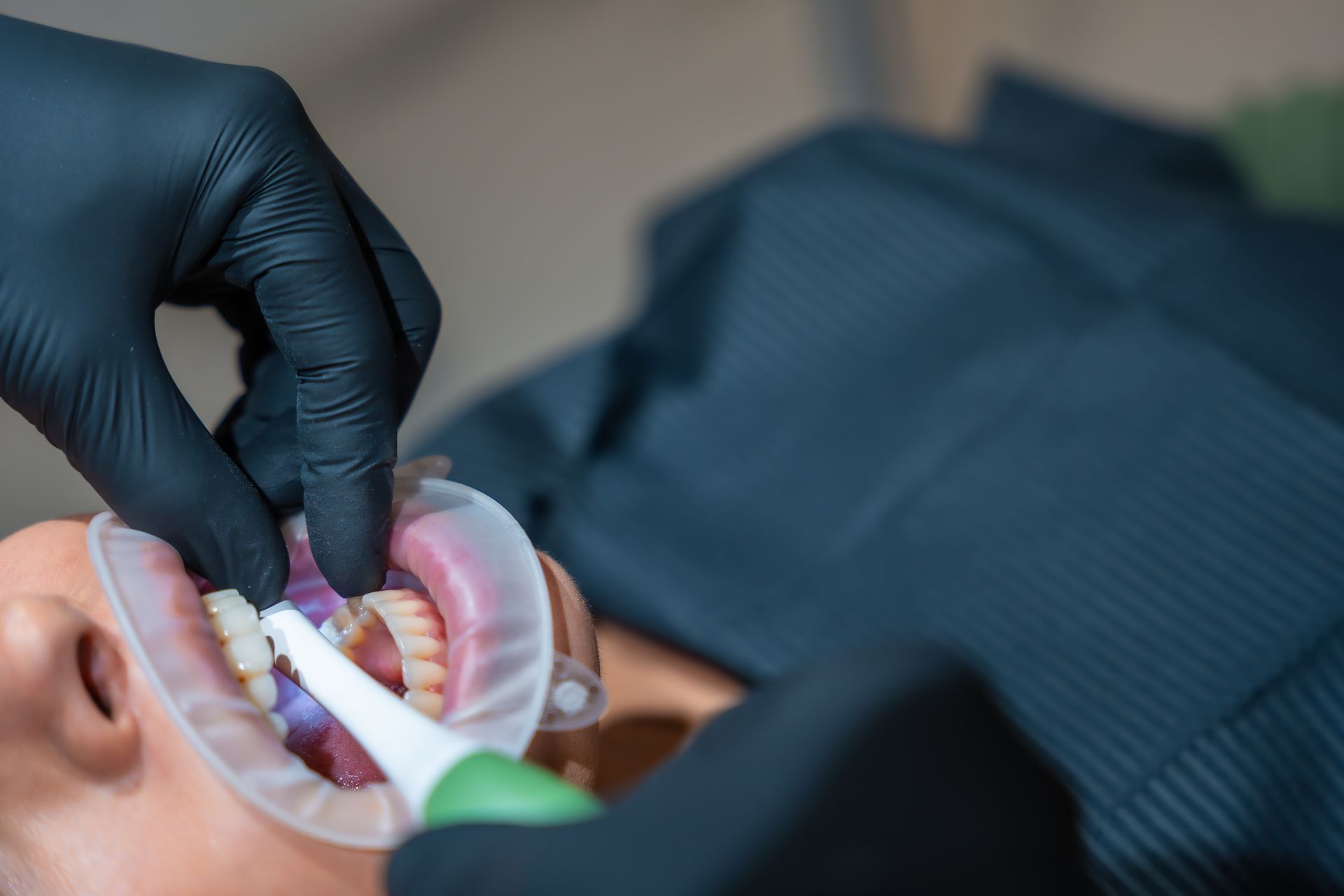
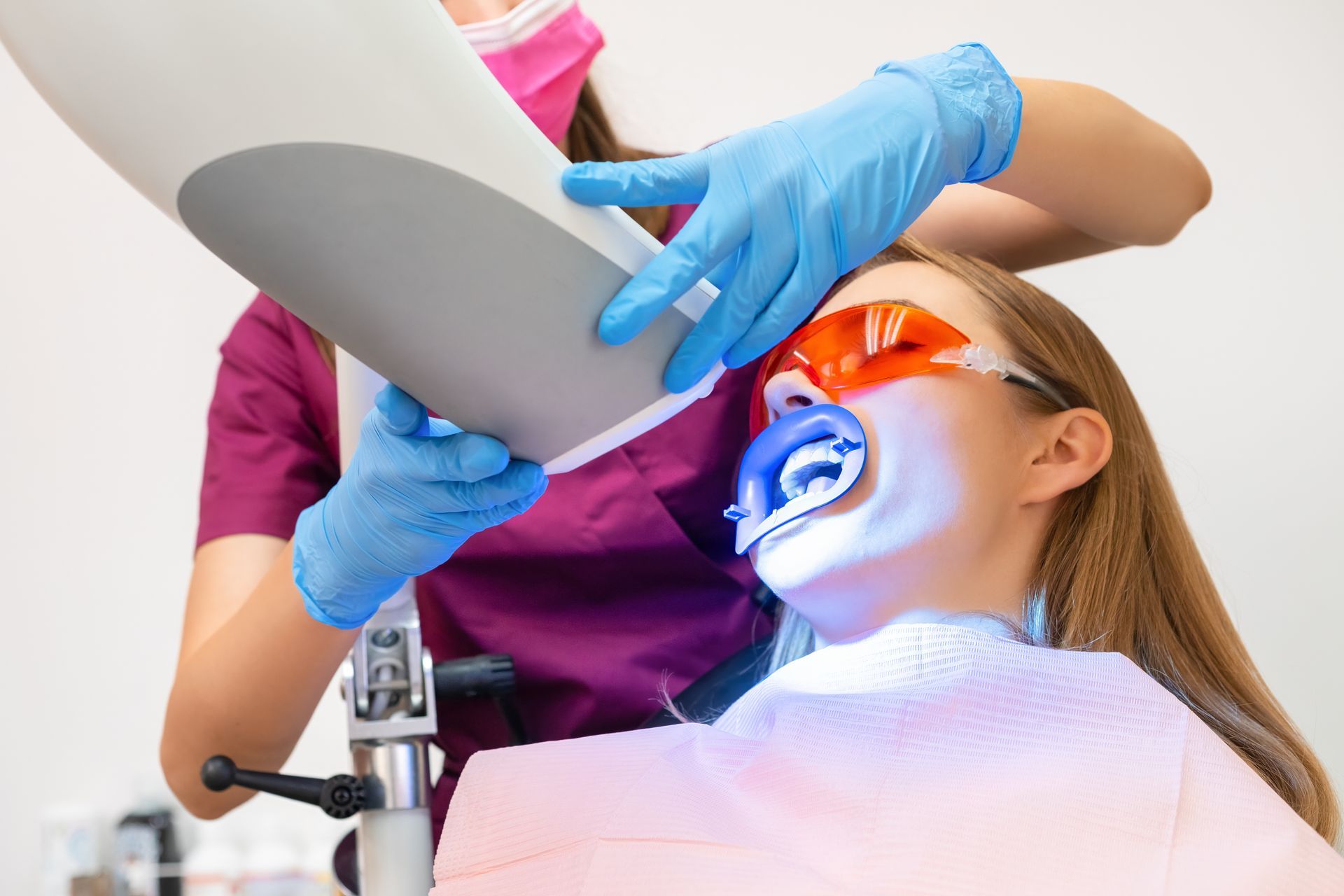
Professional whitening is often more comfortable than drugstore kits, which surprises people who assume a stronger treatment means more sensitivity. The difference is control. In a dental office, the whitening is supervised, the gums and roots are protected during the treatment, and desensitizing agents can be applied right there to calm the teeth.
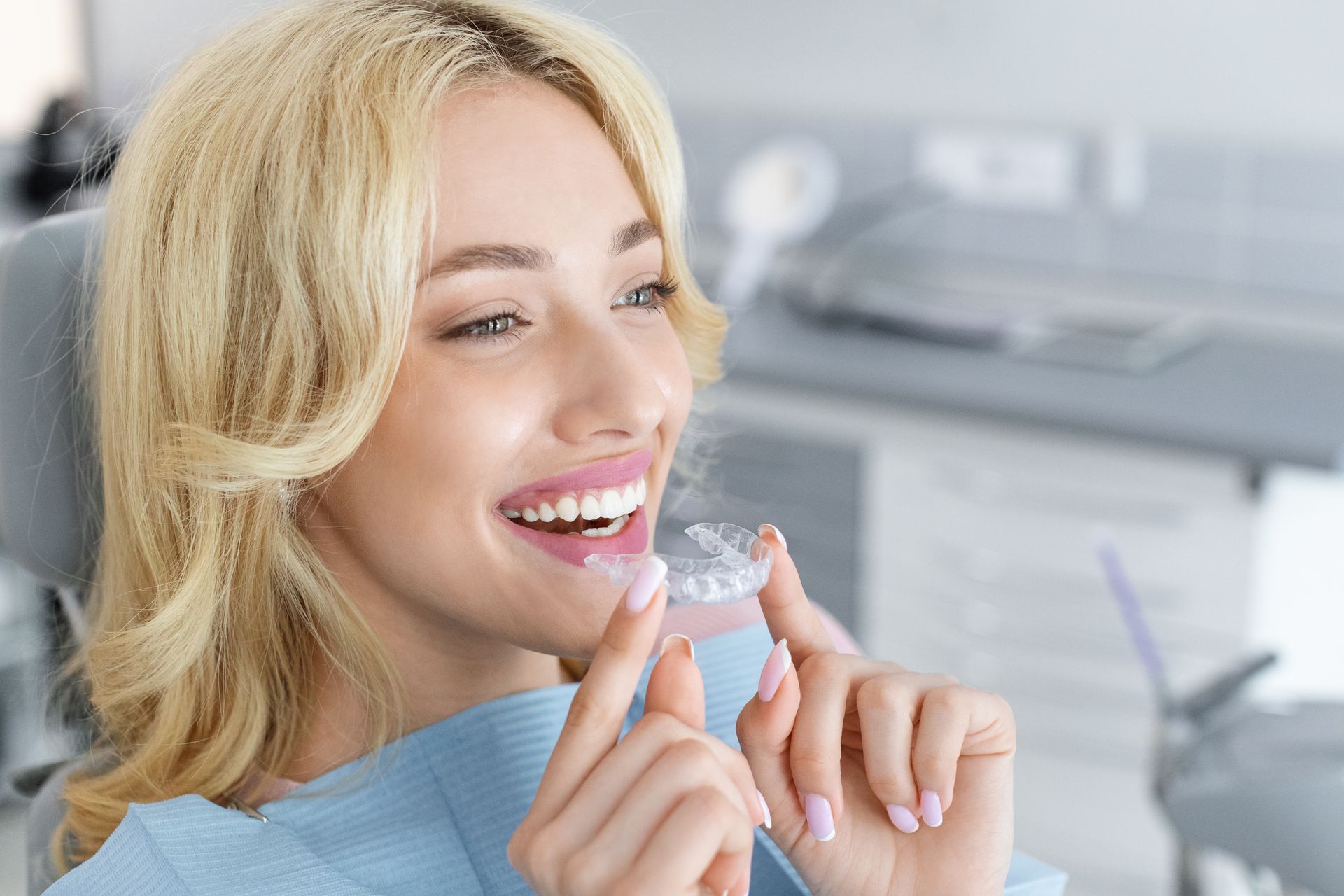
Custom-fitted trays from a dentist also matter, because they hold the gel against the teeth precisely instead of letting it spill onto the gums the way ill-fitting one-size strips can. And because a dentist screens your teeth first, any cavities or exposed roots that would have caused pain are caught before whitening begins. There is also the matter of results: a supervised treatment reaches a brighter shade in less time, so your teeth spend fewer total hours exposed to peroxide than they might over weeks of daily strips. Our
Zoom teeth whitening and other
cosmetic dentistry options are designed to get you a noticeably brighter smile while keeping sensitivity to a minimum.
When to See a Dentist
Most whitening sensitivity never needs a dentist and simply fades. There are a few situations, though, where a twinge is telling you something more than "I whitened my teeth."
Reach out to your dentist if the sensitivity lasts longer than about two weeks, if it is severe rather than a mild ache, or if it keeps getting worse instead of better. Pay particular attention to sharp, lingering, or spontaneous pain in one specific tooth, or pain when biting down, because that often points to a cavity, a crack, or an exposed root rather than ordinary whitening sensitivity. In those cases the whitening did not cause the problem; it revealed one that was worth addressing anyway.
Whiten Comfortably at Ufberg Dental
A brighter smile should not come with days of discomfort, and with the right approach it usually doesn't. If you want to whiten but worry about sensitivity, or you have sensitive teeth already, our Berwyn team can plan a treatment that keeps you comfortable and gets real results.
Call Ufberg Dental at 610-251-2227 or
contact us
to ask about professional whitening built around sensitive teeth. We care for patients throughout Berwyn and the Main Line.
Frequently Asked Questions
Why are my teeth so sensitive after whitening?
Whitening products contain peroxide, which passes through the enamel into the dentin and briefly irritates the nerve inside the tooth, while also making the enamel temporarily more porous. That combination lets hot, cold, and sweet sensations reach the nerve more easily, which you feel as zings or a dull ache. It is a normal, temporary reaction, not a sign of damage, and it fades as the enamel remineralizes.
How long does teeth whitening sensitivity last?
For most people it lasts a day or two up to a few days, and it usually resolves within a week of stopping whitening. Stronger products or frequent use can stretch it to about two weeks. The important thing is the direction: it should improve a little each day. Sensitivity that worsens, lasts beyond two weeks, or centers on one tooth is worth having a dentist check.
Does whitening permanently damage or weaken teeth?
No, whitening does not permanently damage healthy teeth. The sensitivity comes from temporary nerve irritation and a brief change in the enamel surface, both of which reverse as your saliva remineralizes the enamel. The exception is teeth that already have cavities, cracks, worn enamel, or exposed roots, which whitening can aggravate. That is why a dental check before whitening is a good idea if your teeth are already sensitive.
How can I whiten my teeth without sensitivity?
Use a desensitizing toothpaste with potassium nitrate and fluoride for a week or two beforehand, choose a moderate peroxide concentration rather than the strongest option, follow the timing instructions, and space out your treatments. Avoiding extreme food temperatures right after and not brushing immediately post-whitening also help. Professional whitening, where the treatment is supervised and desensitizers are applied, is often the most comfortable route of all.
Can I still whiten my teeth if they're already sensitive?
Yes, in most cases you can, but it is best done with a dentist's guidance. Starting with a desensitizing toothpaste, using a lower peroxide concentration, and having any cavities or exposed roots treated first all make whitening comfortable even for sensitive teeth. A dentist can also apply desensitizing agents during professional whitening, which makes it a good option when you are prone to sensitivity.
Should I stop whitening if my teeth hurt?
If you feel more than mild, fading sensitivity, pausing whitening until your teeth settle is the sensible move rather than pushing through. Give them a few days, lean on a sensitivity toothpaste, and avoid extreme temperatures. If the discomfort is severe, lasts beyond two weeks, or is focused on one tooth or triggered by biting, stop and see your dentist, since that may signal something other than routine whitening sensitivity.