Invisalign Attachments Explained: What They Are and Why You Need Them

At Ufberg Dental, we have helped patients through Invisalign treatment for years. We know that attachments are one of the most common things patients have questions about before and during treatment. If your dentist told you that you need them and you want to understand exactly what they are and why, this guide gives you clear, honest answers.
This guide covers what Invisalign attachments are, how they work, what to expect during and after placement, and what it all means for your treatment. If you are still deciding whether Invisalign is right for you, our Invisalign page is a helpful starting point.
Here is a quick overview of what this guide covers:
- What attachments are and what they look like
- How they help move teeth more precisely
- What the placement process involves
- Whether they hurt or are noticeable
- How to eat, drink, and clean around them
- What happens when they are removed
What Are Invisalign Attachments?
A Simple Explanation of Invisalign Attachments
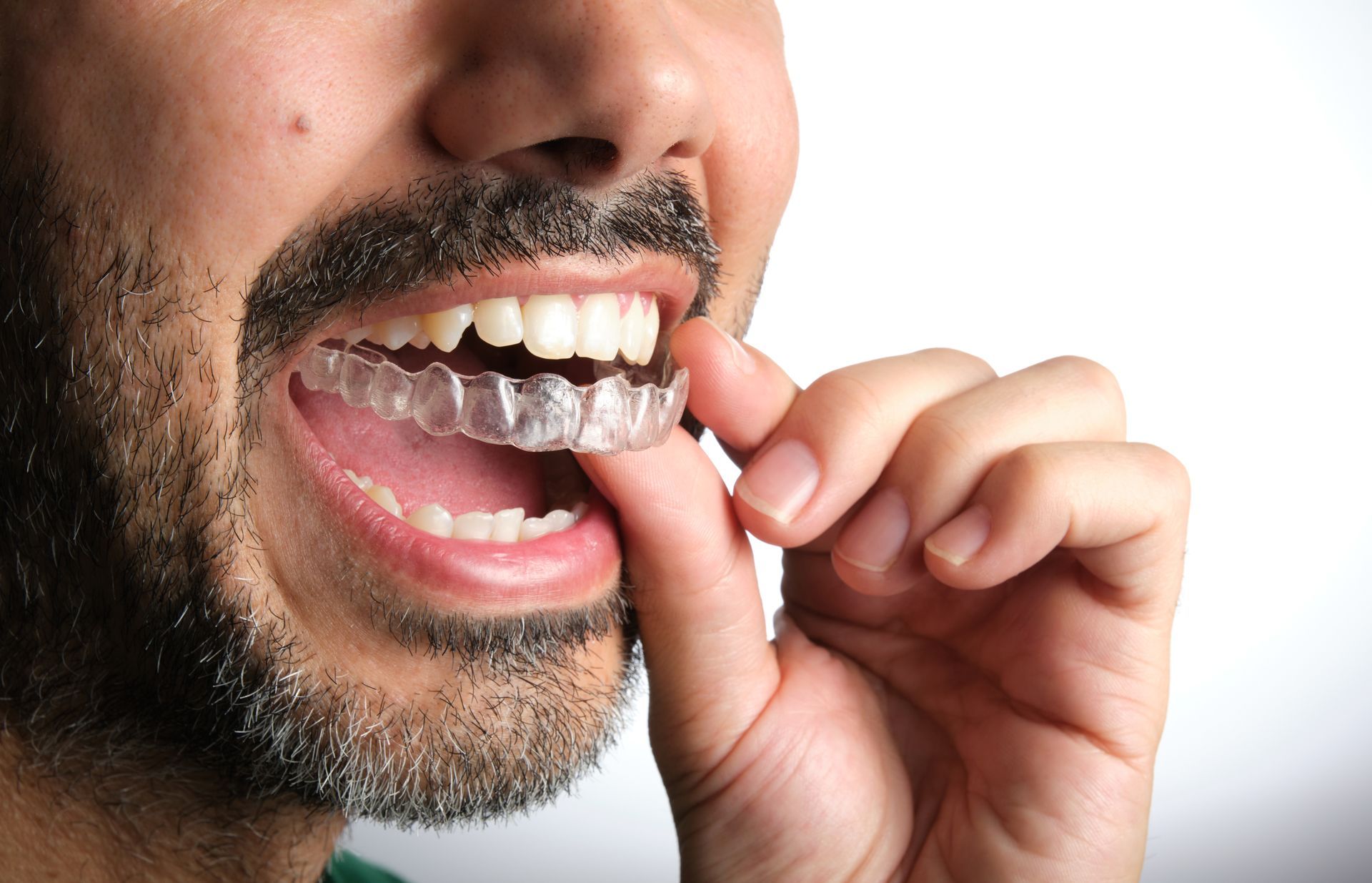
Invisalign attachments are small, tooth-colored dots made from dental composite, the same material used for tooth-colored fillings. They are bonded directly onto the surface of specific teeth and act as anchor points that help your aligners grip your teeth and apply force in precise directions.
Think of them as handles. Without them, a smooth aligner can only push teeth in simple, limited ways. With attachments, the aligner has something to push or pull against, which opens up a much wider range of tooth movements.
What Invisalign Attachments Look Like on Teeth
Attachments are small and made to blend in. They are shaped to match the composite resin shade of your teeth and are typically the size of a small pea or smaller. Most people need to look closely to notice them. From a normal conversational distance, they are rarely obvious.
Why Some Patients Need Attachments and Others Don't
Not every Invisalign patient requires attachments. Patients with mild crowding or simple spacing issues may be able to complete treatment with aligners alone. Attachments become necessary when the teeth need to rotate, tip, move vertically, or shift in ways that a smooth aligner surface cannot reliably control on its own.

How Invisalign Attachments Work
How Attachments Help Move Teeth More Precisely
Your aligners are designed to fit snugly over your teeth and apply gentle, continuous pressure. When an attachment is bonded to a tooth, it creates a raised surface that the aligner can press against from a specific angle. This allows the force to be directed more precisely than what a flat aligner surface can achieve on its own.
The Role of Attachments in Complex Tooth Movements
Some movements are inherently difficult for aligners to accomplish without extra help. Rotating a tooth around its long axis, moving a tooth up or down in the gum line, or correcting a tooth that is significantly tipped all require a more controlled application of force. Attachments make these movements possible within the Invisalign system.
How Aligners and Attachments Work Together
Each aligner in your series is custom-made to account for the attachments on your teeth. The small cutouts in the aligner that fit over the attachments are precisely designed. As you progress through your aligner trays, the position and shape of those cutouts gradually change, working with the attachments to guide each tooth step by step toward its final position.
Why Invisalign Attachments Are Necessary
Improving Grip and Control for Aligners
A smooth tooth surface gives aligners relatively little to work with when complex movement is needed. Attachments give the aligner a physical point of contact that improves grip and allows the tray to transfer force more effectively. This is especially important for teeth that tend to be slippery or that need to move in a direction the aligner cannot naturally push.
Supporting Rotations, Intrusions, and Tooth Shifting
Three of the most attachment-dependent movements in Invisalign treatment are rotation, intrusion, and torque. Rotation means spinning a tooth to face a different direction. Intrusion means pushing a tooth deeper into the gum line. Torque means tipping the root of a tooth while keeping the crown in place. None of these movements are reliably achievable with aligners alone on most patients.
When Attachments Make Treatment Faster or More Effective
Without attachments, some tooth movements would require significantly more aligner trays and treatment time, or might not be achievable at all. Attachments allow the treatment plan to be more direct and efficient, which in many cases means a shorter overall timeline and more predictable results.
| With Attachments | Without Attachments | |
|---|---|---|
| Best for | Complex movements, rotations, bite correction | Mild crowding or simple spacing |
| Tooth movement control | High precision, multi-directional | Limited to simpler push-based movements |
| Visibility | Small tooth-colored dots, low profile | None |
| Treatment efficiency | More direct path, fewer refinements | May require more trays to compensate |
| Discomfort | Brief adjustment period after placement | Standard aligner adjustment only |
| End result | More predictable for complex cases | Sufficient for straightforward cases |
Types of Invisalign Attachments and Their Placement
Different Shapes and Sizes of Attachments
Attachments come in several shapes, including rectangular, elliptical, and beveled. The shape is not chosen at random. Each shape is designed to direct force in a particular way. A beveled attachment, for example, generates a rotational force when the aligner presses against it. A rectangular attachment provides a more vertical or horizontal push depending on its orientation.
Where Attachments Are Placed on Teeth
Attachments can be placed on the front, back, or side surfaces of teeth, though they are most commonly placed on the front-facing surface. Not every tooth receives an attachment. Placement depends entirely on which teeth need the most precise control during your specific treatment plan.
How Dentists Decide Attachment Placement
Custom Treatment Planning and Digital Scans
Attachment placement is determined through Invisalign's digital treatment planning software, called ClinCheck. Your dentist uses digital scans of your teeth along with ClinCheck to map out every tooth movement in your plan. The software calculates where attachments are needed based on the movements required, and the final placement is reviewed and approved by your dentist before treatment begins.
The Process of Getting Invisalign Attachments
What to Expect During Your Appointment
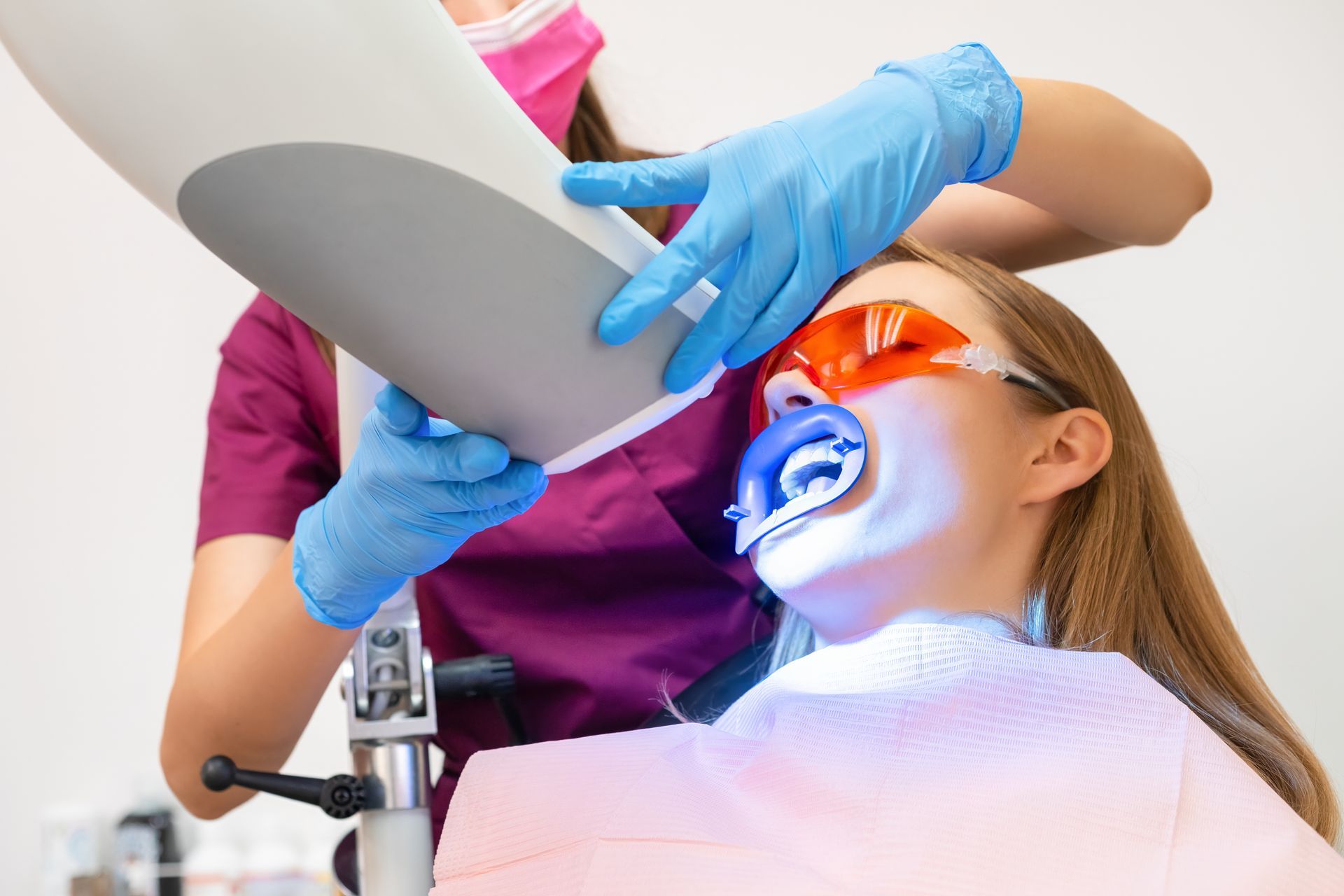
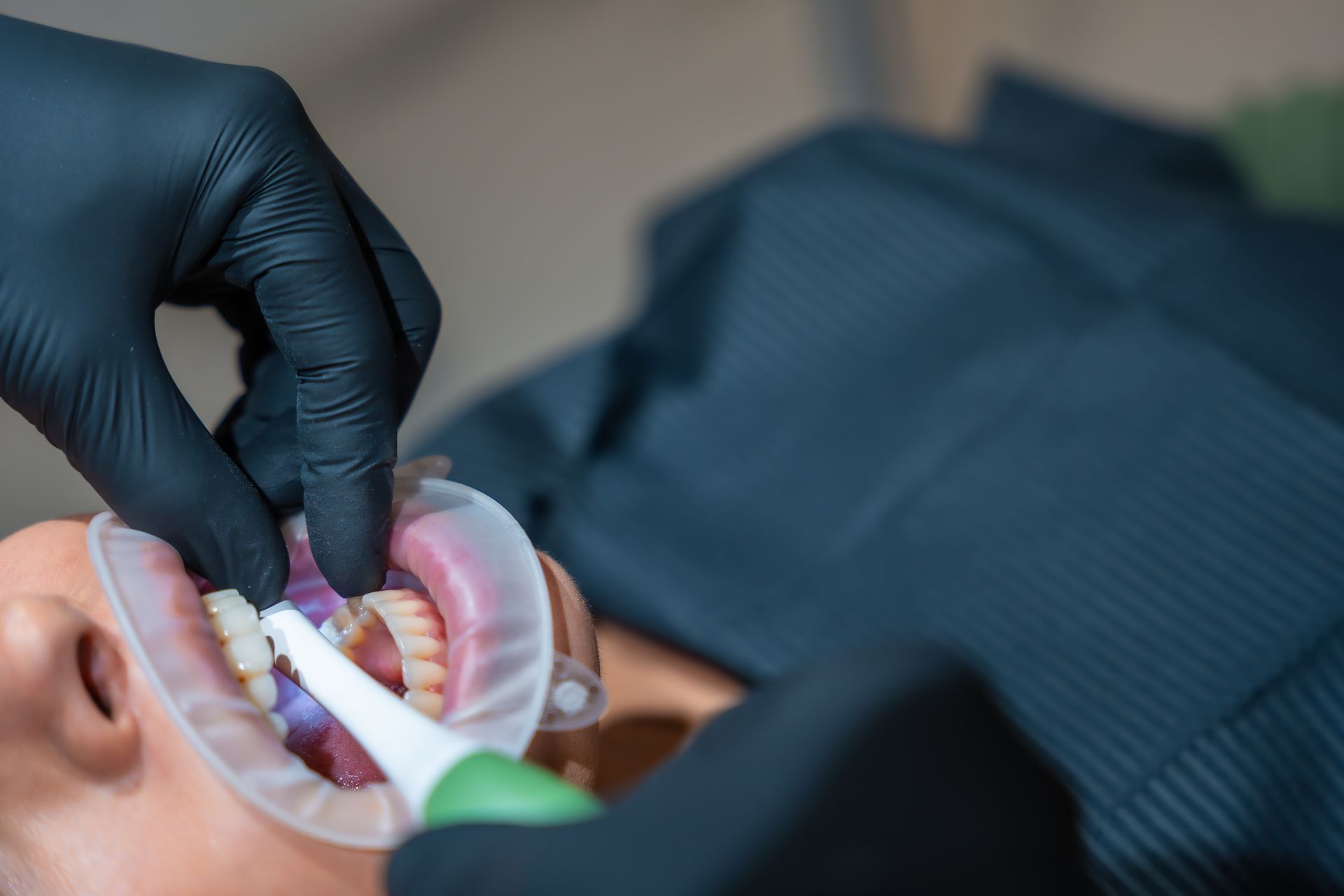
Getting attachments placed is a straightforward appointment, usually completed in the same visit as receiving your first set of aligners. The process is painless and does not require any drilling or removal of tooth structure. Plan for the appointment to take about an hour, though this can vary depending on how many attachments you need.
Step-by-Step Attachment Bonding Process
Here is what the placement process looks like from start to finish:
- Your teeth are cleaned and dried to prepare the surface for bonding.
- A conditioning agent is applied to help the composite material adhere.
- A template tray, similar to an aligner, is used to position the composite resin in exactly the right spots.
- The composite is cured with a dental light, hardening it in place.
- The template is removed, and your dentist checks each attachment for proper placement and smoothness.
- Your first set of aligners is placed over the attachments to confirm the fit.
How Long Attachments Stay on Your Teeth
Attachments stay on for the duration of your Invisalign treatment. For most patients, that means somewhere between 6 and 18 months, though treatment length varies depending on the complexity of your case. For a deeper look at timelines, see our guide on how long Invisalign takes. Attachments are removed at your final appointment once treatment is complete.
Do Invisalign Attachments Hurt or Feel Uncomfortable?
What It Feels Like After Placement
The placement process itself is not painful. After placement, your mouth may feel different because the smooth surface of your teeth now has small raised bumps on them. Your tongue will likely notice them right away. Most patients describe the first day or two as a period of adjustment rather than actual discomfort.
Adjusting to Attachments in Daily Life
Within a few days, most patients stop noticing their attachments. Eating, speaking, and going about your day becomes normal again. The adjustment period is typically short, and most patients report that attachments become a non-issue quickly.
Tips to Reduce Discomfort
- Use orthodontic wax to cover any attachment that irritates your lips or cheeks during the first few days.
- Eat softer foods for the first day or two while your mouth adjusts.
- Take over-the-counter pain relief if you experience any tenderness after your first set of aligners is placed.
Are Invisalign Attachments Noticeable?
How Visible Attachments Are Up Close
From a close distance, attachments can be seen if someone is looking for them. They are tooth-colored, but they do create a small raised bump on the tooth surface. In photos taken at close range, they may be visible, especially in bright lighting.
Ways to Make Attachments Less Noticeable
Keeping your attachments free of staining foods and beverages helps them stay matched to your tooth color. Coffee, tea, and certain sauces can tint composite resin over time. Your dentist can polish the attachments if discoloration becomes noticeable.
Confidence Tips for Patients
The vast majority of patients find that attachments bother them far less in practice than they expected before getting them. Most people you interact with daily will not notice them unless they are looking very closely. If visibility is a concern, remember that the alternative in many cases is braces with metal brackets, which are significantly more noticeable.
Eating, Drinking, and Cleaning with Attachments
What to Eat and Avoid
You remove your aligners to eat and drink, so eating with attachments is largely similar to eating without them. That said, some foods can chip or dislodge attachments if you are not careful:
- Avoid very hard foods like hard candies, ice, and crusty bread that requires significant biting force.
- Cut foods like apples and carrots into smaller pieces rather than biting into them whole.
- Chewy or sticky foods like caramel and gummy candies can pull at composite resin over time.
How to Clean Around Attachments Properly
Cleaning around attachments requires a little extra attention. The raised surface creates small areas where plaque can collect.
- Brush gently around each attachment using a soft-bristle toothbrush.
- Floss daily, working carefully around the base of each attachment.
- A water flosser can be helpful for rinsing debris from around attachments that are harder to reach.
Preventing Staining and Buildup
Rinse with water after consuming dark-colored beverages. Avoid drinking coffee, tea, or red wine without your aligners in, as the composite material is more exposed when your trays are out. Your dentist will monitor attachment condition at your checkup appointments.
Removing Invisalign Attachments
What Happens When Treatment Is Complete
Once your final aligner tray has done its job and your teeth have reached their target positions, your dentist will remove your attachments at your last appointment. This is a quick process and, like placement, does not require any drilling into the tooth itself.
How Attachments Are Safely Removed
Your dentist uses a dental handpiece to gently buff away the composite resin from the surface of the tooth. The process removes the attachment material without affecting the enamel underneath. It typically takes just a few minutes per tooth.
What Your Teeth Look Like After Removal
Once the attachments are polished off, your teeth return to their natural smooth surface. There is no permanent marking or indentation left behind. Most patients are pleasantly surprised by how quickly the removal process goes and how normal their teeth look and feel afterward.
Benefits of Invisalign Attachments for Your Smile
More Predictable Tooth Movement
Attachments give your dentist and the Invisalign system much greater control over how each tooth moves. This precision means fewer surprises during treatment and a result that more closely matches what was planned from the start.
Better Results for Complex Cases
Patients with rotated teeth, bite issues, or more significant alignment problems benefit the most from attachments. Without them, these cases would either require traditional braces or produce a less complete result with aligners alone.
Shorter or More Efficient Treatment Timeline
Because attachments allow tooth movements to be accomplished more directly, treatment can often proceed with fewer refinement rounds and less backtracking. For many patients, this translates to a more efficient path from start to finish.
Are Invisalign Attachments Worth It?
Why They Play a Key Role in Successful Treatment
If your dentist has recommended attachments, it is because your treatment plan requires movements that cannot be achieved reliably without them. They are not added for no reason. Skipping attachments or removing them early would compromise the accuracy of your results.
When You Might Not Need Attachments
Patients with mild alignment issues, minor spacing, or simple crowding may complete Invisalign treatment without any attachments. Your dentist will let you know during your consultation whether your plan requires them.
Talking to Your Dentist About Your Treatment Plan
If you have questions about why specific attachments are recommended for you, or how many you will need, ask your dentist to walk you through your ClinCheck plan. Seeing the digital simulation of your tooth movements and where each attachment is placed can make the whole process feel much clearer and easier to commit to.
Frequently Asked Questions About Invisalign Attachments
Do Invisalign attachments hurt when they are placed?
No. The placement process does not involve any drilling or numbing. The composite resin is bonded to the surface of your teeth using a template tray and cured with a dental light. Some patients feel mild sensitivity in the first day or two as they adjust to the new texture in their mouth, but the actual appointment is painless for most people.
Will my attachments be noticeable to other people?
At a normal conversational distance, most people will not notice them. Attachments are tooth-colored and small. They are more visible up close or in bright lighting, but most patients find they blend in far better than they expected before treatment started.
Can attachments fall off during treatment?
Occasionally, an attachment can chip or come off, especially if something hard or sticky puts force on it. If this happens, contact your dental office. A loose or missing attachment should be replaced promptly so it does not affect your tooth movement progress. If you are experiencing significant pain or swelling alongside a lost attachment, that may warrant a dental emergency visit.
How do I keep my attachments from staining?
Rinse with water after consuming coffee, tea, or other staining foods and beverages. Brush your teeth and the attachment surfaces regularly. Avoid leaving your aligners out for extended periods while drinking colored beverages, since the composite is more exposed when your trays are removed.
What happens if I need Invisalign attachments but am worried about how they look?
It helps to remember that the alternative for most complex cases is traditional metal braces, which are considerably more visible. Attachments are small, tooth-colored, and temporary. The end result, straighter teeth and a better bite, is what patients consistently say made the temporary appearance of attachments completely worth it.