Sedation Dentistry for Dental Anxiety: What to Expect

For patients who feel anxious about going to the dentist, sedation dentistry can be the difference between avoiding care and getting the treatment they need. In our years of caring for nervous patients in our community, we've seen how the right sedation approach turns a stressful appointment into something calm and manageable. This guide gives you a clear, honest look at how sedation dentistry works, what each type feels like, and what to expect from the moment you book your visit to the moment you leave the office.
Understanding Dental Anxiety and Why It's So Common
Dental anxiety is the nervousness or fear that some people feel about visiting the dentist. For some it's a mild uneasiness, and for others it's strong enough to keep them from getting care at all. It's far more common than most people realize.
Common Reasons People Feel Nervous About Dental Visits
A few of the most common triggers include:
- A bad past experience with a dental procedure
- Fear of pain or the sound of dental instruments
- Fear of needles or shots in the mouth
- A sensitive gag reflex
- Feeling out of control while lying back in the chair
- Embarrassment about the condition of their teeth
How Dental Anxiety Can Affect Your Oral Health
When people put off dental care because of anxiety, small problems often grow into bigger ones. A small cavity that could be filled in one visit can turn into a tooth that needs a root canal or extraction. Avoiding the dentist usually means more complex (and longer) treatment later on.
When Dental Fear Becomes a Barrier to Treatment
Some patients avoid the dentist for years, even when they know they need care. By the time they come in, they may need treatment that could have been prevented with regular visits, and they may even be dealing with
a dental emergency. Sedation dentistry is one of the most effective ways to break that pattern.

What Is Sedation Dentistry?
Sedation dentistry is the use of medication to help patients feel calm and comfortable during dental treatment. It doesn't replace local anesthesia, which numbs the area being worked on. Instead, sedation works on the nervous system to ease anxiety and reduce awareness of the procedure.
How Sedation Helps Patients Feel More Relaxed
Sedation medications slow down the body's stress response. Heart rate, breathing, and muscle tension all settle, which makes it easier to sit through a procedure. Most patients describe the feeling as deeply relaxed, sleepy, or simply not bothered by what's happening.
The Difference Between Sedation and General Anesthesia
Sedation is not the same as general anesthesia. Most types of dental sedation keep you conscious and able to respond to your dentist, even though you may feel very relaxed or drowsy. General anesthesia puts you fully to sleep and is usually only used for major oral surgery or specific medical situations.
What Sedation Dentistry Can and Cannot Do
Sedation can reduce anxiety, ease physical tension, and make long appointments easier to tolerate. It cannot replace the numbing effect of local anesthesia, and it doesn't make existing dental problems go away. It simply makes treatment easier to get through.
Who May Benefit From Sedation Dentistry?
Not everyone needs sedation, but it can be a game-changer for the right patients.
Patients With Mild to Severe Dental Anxiety
Anyone who feels nervous, panicky, or unable to relax in a dental chair is a good candidate. This includes patients with mild anxiety as well as those with strong dental phobia.
People With Sensitive Gag Reflexes or Difficulty Sitting Still
Some patients struggle with a strong gag reflex that makes treatment uncomfortable. Others have trouble holding still long enough to complete a procedure. Sedation helps with both.
Patients Undergoing Lengthy or Complex Procedures
A long appointment, multiple treatments in one visit, or complex work like extractions or implants can all be easier to handle with sedation.
Common Treatments Often Performed With Sedation
Some dental treatments are more commonly performed with sedation than others. These often include:
- Dental implant placement, which involves multiple steps and can take several hours
- Wisdom tooth extraction or other surgical extractions
- Restorative procedures like root canals, multiple fillings, or full-mouth rehabilitation
- Periodontal (gum) treatments that go below the gum line
- Combined treatments scheduled in a single visit to reduce trips
Types of Sedation Dentistry Available
There are a few different ways to deliver sedation, and the right one depends on the patient and the procedure.
Nitrous Oxide (Laughing Gas)
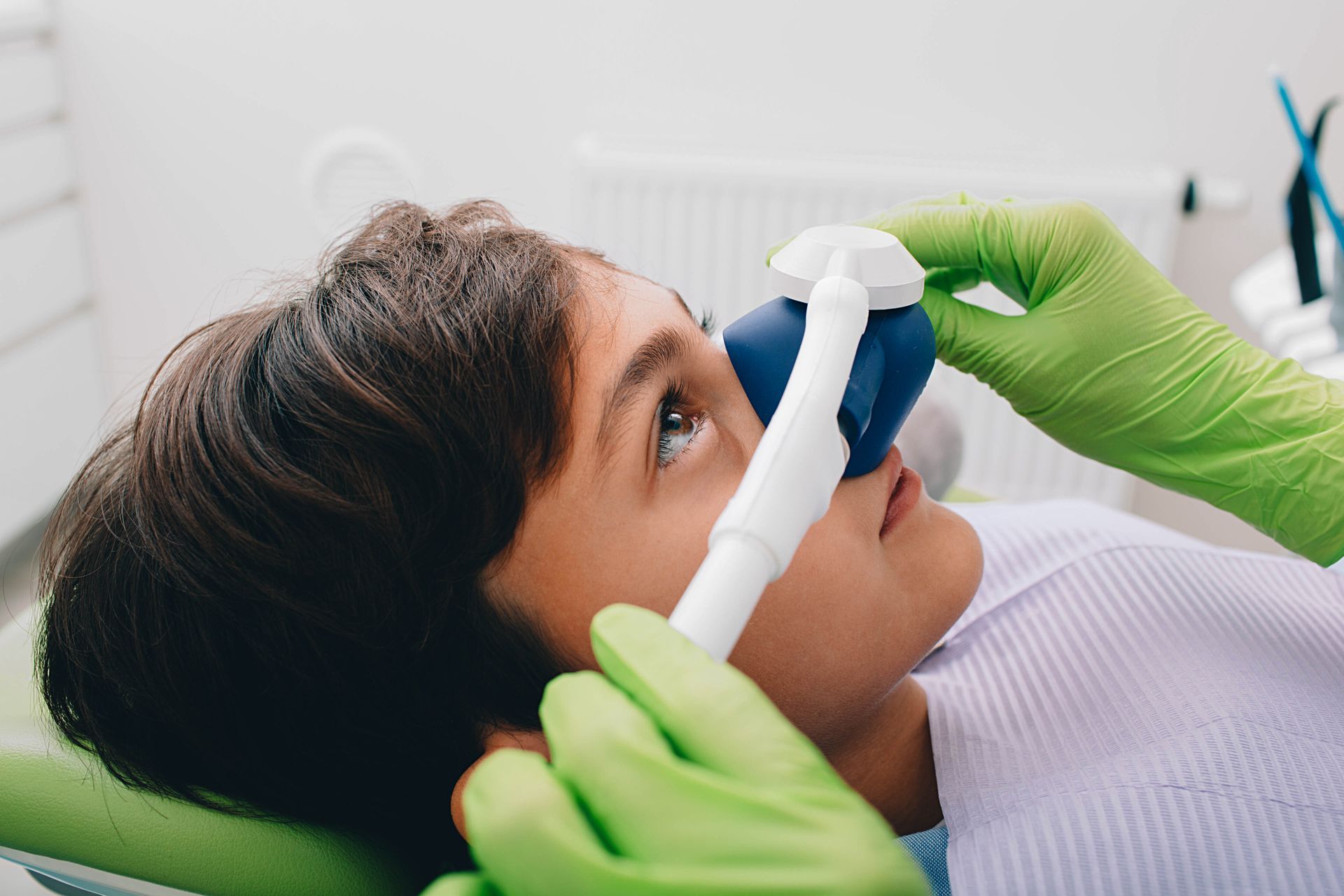
Nitrous oxide is a mild sedative breathed in through a small mask placed over the nose. It takes effect within minutes and wears off quickly after the mask is removed. Patients stay awake and aware, but feel relaxed and slightly euphoric. You can usually drive yourself home afterward.
Oral Conscious Sedation
Oral sedation is taken as a pill, usually about an hour before the appointment. The medication makes patients feel deeply relaxed and sometimes drowsy. You remain conscious and can respond, but many patients remember little of the visit afterward. You'll need a ride home.
IV Sedation
IV sedation is delivered through a small needle in the arm or hand. It works fast, and the dose can be adjusted during the procedure. Patients are in a deeper state of relaxation, often with little to no memory of the appointment. You'll need someone to drive you and stay with you for a few hours afterward.
General Anesthesia for Select Cases
General anesthesia puts patients fully to sleep and is typically reserved for major oral surgery, very young children, or patients with special needs. It's administered by an anesthesiologist or oral surgeon trained to manage it.
How Dentists Determine the Right Sedation Option
Your dentist will choose a sedation option based on a few factors:
| Factor | What It Means |
|---|---|
| Your anxiety level | Mild anxiety may only need nitrous oxide; severe anxiety may need oral or IV sedation |
| Procedure length and complexity | Longer or more involved procedures usually call for deeper sedation |
| Your overall health and medications | Some medications and conditions affect which sedatives are safe |
| Your personal preferences | Some patients prefer to be aware; others want little to no memory of the visit |
| Transportation arrangements | Deeper sedation requires a driver and a recovery plan |
What to Expect Before Your Sedation Appointment
A little preparation goes a long way toward a smooth sedation visit.
Your Initial Consultation and Health Review
Before sedation is offered, your dentist will review your medical history, current medications, and previous dental experiences. This visit is a chance to ask questions and share what makes you anxious so the plan can be tailored to you.
Discussing Medications and Medical History
It's important to share a complete list of medications, including over-the-counter products, supplements, and any recent changes to your health. Some medications interact with sedatives, and your dentist needs to know to keep you safe.
Pre-Appointment Instructions and Preparation
You'll be given clear instructions about what to do the day before and the morning of your appointment. Following these instructions exactly is one of the most important parts of a safe sedation visit.
Eating, Drinking, and Transportation Considerations
Common pre-sedation guidelines include:
- Avoid food and drink for a set number of hours before deeper sedation (your dentist will give exact times)
- Wear loose, comfortable clothing with short or rollable sleeves
- Take any approved daily medications with a small sip of water unless told otherwise
- Arrange a driver to take you home if you're having oral or IV sedation
- Plan to rest for the remainder of the day after deeper sedation
What Happens During a Sedation Dentistry Procedure?
Knowing what to expect from start to finish can help ease anxiety even before the sedation begins.
Getting Comfortable Before Treatment Begins
When you arrive, your dental team will check your vital signs, confirm your medications, and make sure you're settled in the chair. Many patients use blankets, headphones, or other small comforts to help them relax before the sedative takes effect.
How Sedation Is Administered
The medication is delivered based on the type of sedation you and your dentist chose. Nitrous oxide is breathed in through a small nose mask. Oral sedation is swallowed as a pill before or at the start of the visit. IV sedation is delivered through a small line in your arm or hand.
Monitoring Your Safety Throughout Treatment
Your dental team will watch vital signs like heart rate, blood pressure, and oxygen levels during the entire procedure. With deeper sedation, monitoring equipment stays on you the whole time so any change can be addressed right away.
What Patients Typically Feel During the Procedure
Most patients say sedation feels like floating, drifting, or being half-asleep. You may hear the sounds of the office in the background, but they often feel far away. Time tends to pass much faster than expected.
What Does Sedation Dentistry Feel Like?
Patients are often curious about what sedation actually feels like. Each type is a little different.
Experiences With Nitrous Oxide
With nitrous oxide, most patients feel a warm, tingly sensation and a sense of calm within a few breaths. You stay fully aware of your surroundings and can talk with your dentist throughout. Once the mask comes off, the effects clear within minutes.
Experiences With Oral Sedation
Oral sedation feels heavier. Patients often describe drowsiness, a slowed sense of time, and a relaxed body. You're still able to follow instructions, but many people don't remember much about the procedure afterward.
Experiences With IV Sedation
IV sedation works quickly and produces the deepest relaxation of the conscious sedation options. Patients are very calm and often have little to no memory of the appointment. The dose can be adjusted on the spot to keep you comfortable.
Why Many Patients Remember Very Little of Their Treatment
Some sedation medications cause a temporary memory effect known as anterograde amnesia. The brain doesn't form long-term memories during the procedure, even though you're conscious. For patients with strong anxiety, this is often one of the most welcome parts of sedation dentistry.
Recovery After Sedation Dentistry
Recovery from sedation varies by type, but most patients bounce back quickly.
What to Expect Immediately After Treatment
After the procedure, you'll rest for a short time so your dental team can make sure you're stable and alert enough to leave. With nitrous oxide, this is usually only a few minutes. With oral or IV sedation, it may take longer.
Common Side Effects and Temporary Symptoms
A few side effects are common and usually clear up on their own:
| Sedation Type | Common Short-Term Effects | Typical Recovery Window |
|---|---|---|
| Nitrous oxide | Lightheadedness, mild tingling | Minutes |
| Oral sedation | Drowsiness, slow reactions, dry mouth | Several hours |
| IV sedation | Grogginess, mild memory gaps, sleepiness | Most of the day |
| General anesthesia | Nausea, fatigue, sore throat | A full day or longer |
When You Can Return to Normal Activities
For nitrous oxide, you can usually return to work or school the same day. For oral and IV sedation, plan to rest for the rest of the day. Most patients feel back to normal by the next morning.
Tips for a Smooth Recovery
A few simple steps can make the day after smoother:
- Drink water and eat light, soft foods until you feel fully alert
- Avoid alcohol, caffeine, and heavy exercise for the rest of the day
- Skip driving, operating machinery, and signing important documents
- Have a trusted adult at home with you for several hours
- Follow any specific aftercare instructions from your dentist
Is Sedation Dentistry Safe?
When done by a trained, experienced team, sedation dentistry has a strong safety record. The key is the combination of careful screening, proper monitoring, and qualified providers.
Safety Protocols Used During Sedation
Standard safety practices include health screening, continuous vital sign monitoring, emergency-ready equipment, and clearly defined doses based on body weight and medical history. Sedation providers are trained to respond if anything unexpected happens.
Potential Risks and Side Effects
All medications carry some risk. Mild side effects like nausea, headache, or drowsiness are the most common. Serious complications are rare, especially when patients follow pre-appointment instructions and share their full medical history.
Factors That May Affect Eligibility
Some patients aren't good candidates for certain types of sedation. Pregnancy, certain heart or lung conditions, sleep apnea, and some medications can affect which option is safe. Your dentist will review all of this during your consultation.
The Importance of an Experienced Sedation Provider
Sedation dentistry should always be performed by a dental team with proper training, certifications, and experience in monitoring patients. The skill of the provider is the single biggest factor in keeping sedation safe.
Benefits of Sedation Dentistry for Anxious Patients
For patients who've been avoiding the dentist, sedation can be a turning point.
Reduced Fear and Stress During Treatment
The most obvious benefit is the calm. Procedures that used to feel impossible become manageable, and patients often leave the office surprised at how easy it was.
Increased Comfort for Longer Procedures
Sitting in a dental chair for hours is hard for anyone. Sedation makes longer or combined appointments much more comfortable, which means more treatment can be completed in one visit.
Better Access to Needed Dental Care
Patients who couldn't get through a cleaning before are often able to complete major work with sedation. This opens the door to care that anxiety might have blocked for years.
Improved Confidence About Future Dental Visits
A positive sedation experience often changes the way patients feel about the dentist long term. Many find that once they've had a calm appointment, future visits feel less intimidating, even without sedation.
How to Decide if Sedation Dentistry Is Right for You
If you're wondering whether sedation is the right choice, a conversation with your dentist is the best place to start.
Questions to Ask Your Dentist
A few helpful questions to bring to your consultation:
- Which type of sedation do you recommend for my situation?
- What training and certifications does your team have?
- What does the day of my appointment look like?
- Are there any risks I should know about based on my health history?
- How will I feel during and after the procedure?
Evaluating Your Anxiety Level and Treatment Needs
Think about your past dental experiences, what makes you most anxious, and what type of work you need done. Patients with mild nerves may only need nitrous oxide, while patients with stronger anxiety or longer procedures often benefit from oral or IV sedation.
Creating a More Comfortable Dental Experience Moving Forward
Sedation is one tool in a larger approach to comfortable care. Other helpful steps include open communication with your dentist, gradual exposure to treatment, and choosing a practice that takes anxiety seriously.
Taking the First Step Toward Stress-Free Dental Care
The hardest part for most anxious patients is making the first call. After that, things often get easier.
Why Delaying Treatment Often Makes Anxiety Worse
The longer you wait, the bigger small problems can become. As issues grow, so does the worry around addressing them. Acting early usually means simpler treatment and less to be anxious about.
How Sedation Dentistry Can Help You Reclaim Your Oral Health
Sedation gives anxious patients a way back into routine preventative care. Once cleanings and checkups feel manageable again, it becomes much easier to stay ahead of problems and protect your long-term oral health.
Building Long-Term Confidence in Dental Visits
Many patients find that after one or two successful sedation appointments, their fear softens. Some eventually no longer need sedation at all. The goal isn't only to get through one visit, but to build a healthier relationship with dental care for the long haul.
Ready to Talk About Sedation Dentistry?
If dental anxiety has been keeping you from the care you need, sedation dentistry is worth a conversation. The right plan depends on your health, your anxiety level, and the work that needs to be done, and the best way to figure that out is a relaxed talk with your dentist.
If you have questions about sedation options, want to know what your appointment would look like, or are ready to book a consultation,
give our office a call. We're glad to walk through your concerns, answer questions, and put together a plan that fits your comfort level and your goals.
Frequently Asked Questions
Are there any long-term effects from sedation dentistry?
No. The medications used in sedation dentistry clear out of your system within hours to a day, depending on the type. There are no known lasting effects from occasional sedation when it's done correctly. Many patients use sedation for years across multiple treatments without any cumulative impact on their health.
Can I be sedated if I'm afraid of needles?
Yes. Patients who are nervous about needles are often good candidates for nitrous oxide or oral sedation, neither of which involves a needle. If IV sedation is recommended, an oral sedative can sometimes be used first to help you relax before the IV is placed. The goal of sedation is to make every part of the visit more comfortable, including the steps that come before treatment.
Is sedation dentistry covered by dental insurance?
Coverage varies by plan. Some plans cover sedation when it's medically necessary for a specific procedure, while others don't cover it at all. Your dentist's office can help you check your benefits before the appointment so there are no surprises.
Can children receive sedation dentistry?
Yes, in many cases. Pediatric sedation is used carefully and is most often nitrous oxide for routine treatment, with deeper sedation reserved for special needs patients or extensive work. The medications and doses used for children are different from adult sedation and are tailored to age and weight.
What if I need more than one sedation appointment to finish all my treatment?
Many patients combine multiple treatments into a single sedation visit to reduce the number of trips. When treatment requires more than one sedation appointment, your dentist will space them out based on your health, the medications used, and how you responded the first time. Your provider will tailor the schedule to you.