Can Dental Implants Get Cavities? What Patients Should Know

Dental implants cannot get cavities the way natural teeth do, but that doesn't mean they're immune to problems. After years of placing, restoring, and maintaining dental implants for patients in our community, we've noticed the patients with the best long-term results all share one habit: they care for their implants like real teeth every single day. The materials are different, but the bacteria, plaque, and gum issues that affect natural teeth can still affect the area around an implant. This guide walks through what implants are made of, why they can't decay, and what can still go wrong if they aren't cared for properly.
The Short Answer: Can Dental Implants Get Cavities?
No. Dental implants cannot develop cavities. The materials used to make implants and their crowns don't react to acid the same way tooth enamel does. But while the implant itself is cavity-proof, the gums and bone around it are not problem-proof.
Why Dental Implants Cannot Develop Traditional Cavities
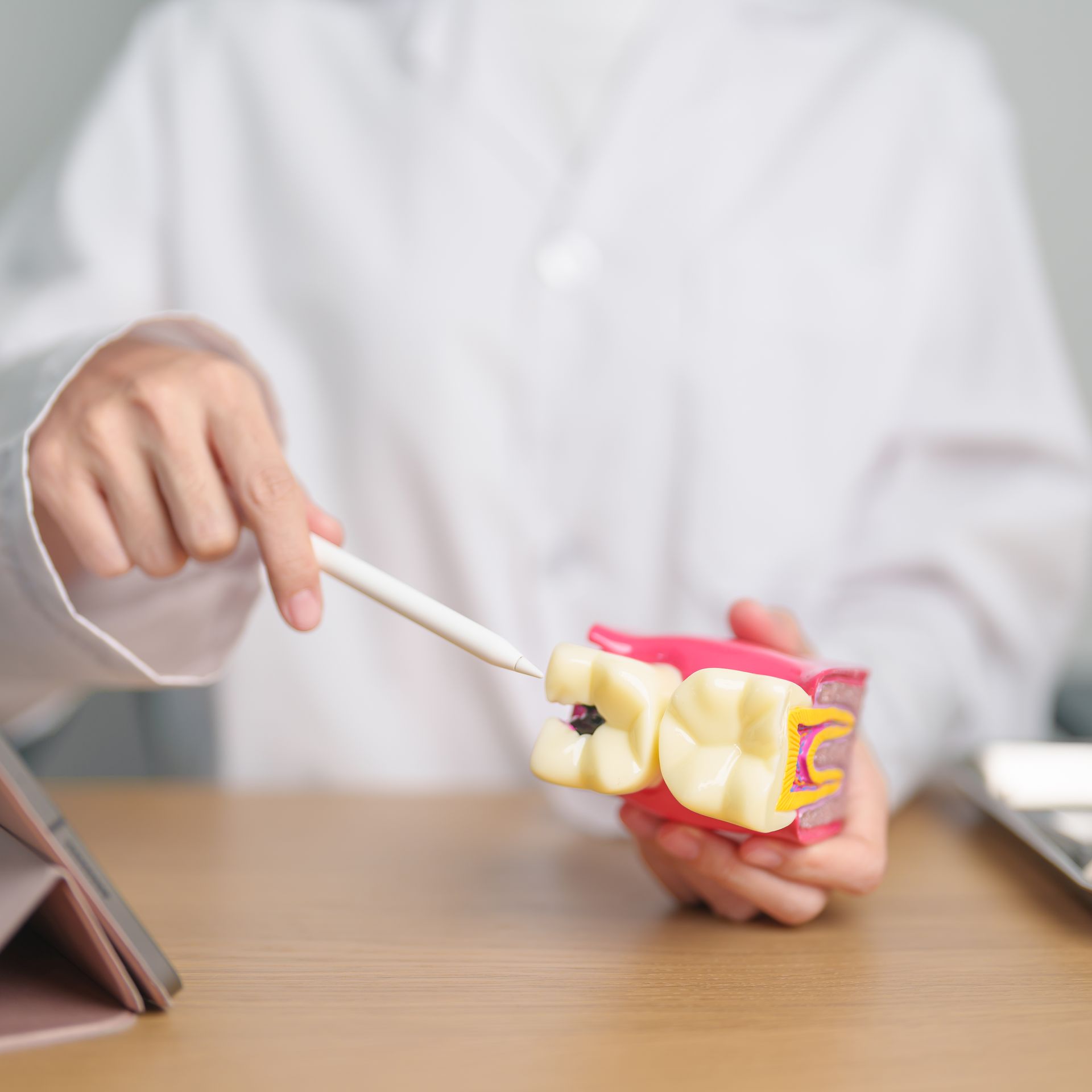
A cavity, also called dental caries, forms when oral bacteria produce acid that breaks down tooth enamel. That process only works on natural tooth structure. Implants are made of metal and ceramic, and these materials do not soften or dissolve when exposed to acid from food or bacteria. The same is true for other restorations made from similar materials, which is why veneers also cannot get cavities on their own.
The Important Difference Between Implant Materials and Natural Teeth
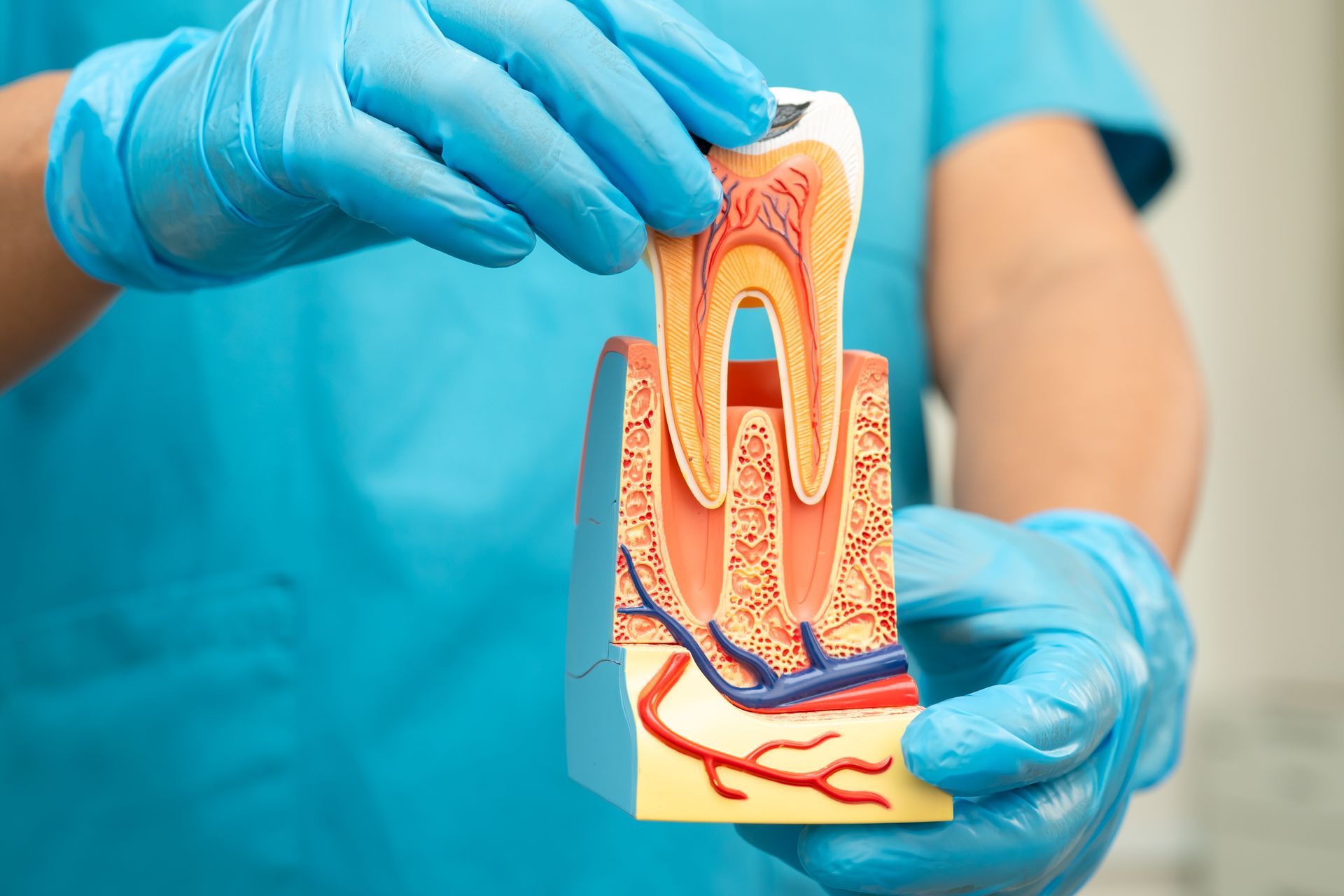
Natural teeth have living tissue inside them, including nerves and blood vessels. Implants do not. A titanium implant post, the abutment, and the crown on top are all non-living materials. This is good news in terms of cavities, but it also means an implant cannot heal itself like a tooth can with remineralization. If something damages it, it has to be repaired or replaced.

Understanding the Parts of a Dental Implant
To see why implants don't get cavities but can still have problems, it helps to know what makes up an implant. A standard implant has three main parts:
- The implant post: the screw-shaped root replacement that fuses with the jawbone
- The abutment: the small connector that links the post to the crown
- The crown: the tooth-shaped piece you see and chew with
Each part plays a different role and is made of different materials.
The Implant Post
The implant post is a small titanium screw that takes the place of a tooth root. It's placed into the jawbone, where it fuses with the bone over a few months. Titanium is biocompatible, which means the body accepts it well.
The Abutment Connector
The abutment is a small piece that sits on top of the implant post and connects it to the crown. It's usually made of titanium or zirconia. The abutment is what the visible crown attaches to.
The Dental Crown
The crown is the part you see in your mouth. It's shaped like a tooth and is usually made of porcelain, zirconia, or another ceramic material. It chews like a tooth, but it cannot decay like one.
Which Components Are Most Vulnerable to Wear and Damage?
The crown is the part most likely to chip, crack, or wear down over time. The implant post itself is very durable, but the area where the crown meets the gum line can collect plaque if it isn't cleaned well. The connection between the crown and abutment can sometimes loosen and may need to be tightened by your dentist.
If Implants Can't Get Cavities, Why Do Some Implants Fail?
This is the part patients often miss. Implants fail because of the tissues around them, not because of decay in the implant itself.
The Role of Plaque and Bacteria Around Dental Implants
Plaque buildup around an implant is just as dangerous as plaque buildup around a natural tooth. When plaque is left to sit, bacteria multiply and irritate the gum tissue. Over time, the same bacteria that cause gum disease can attack the gums and bone supporting your implant.
What Is Peri-Implantitis?
Peri-implantitis is the implant version of gum disease. It's an infection that affects the gums and bone around an implant. If it isn't caught early, it can cause bone loss and lead to implant failure. It's one of the main reasons implants fail years after placement.
How Gum Disease Can Threaten Implant Success
Gum disease weakens the support system holding your implant in place. Healthy gums and bone are what keep an implant stable. When gum disease spreads, that support disappears, and the implant can become loose or fail.
Early Warning Signs Patients Should Never Ignore
Watch for any of these signs around your implant:
- Bleeding when brushing or flossing
- Red, swollen, or tender gums
- Pus or discharge near the implant
- A bad taste or persistent bad breath
- Any feeling that the implant has shifted or feels loose
Catching these signs early often makes treatment much simpler.
Can You Still Get Cavities Near a Dental Implant?
Yes, but not on the implant itself. Cavities can form on the natural teeth next to or near the implant.
Cavities in Adjacent Natural Teeth
The teeth on either side of your implant are still living tissue and can get cavities. If you skip flossing around the implant because it feels different, plaque can build up on the surfaces of the natural teeth touching the implant area.
Plaque tends to hide in a few common spots near an implant:
- The contact point where the implant crown touches the natural tooth next door
- Just below the gum line on either side of the implant
- Under any small overhang in the crown design
- Behind back implants, where it's harder to angle a brush
Risks Around Implant-Supported Bridges and Multiple Restorations
When implants support a bridge or several crowns, cleaning gets a little more complex. Food and plaque can get trapped under the bridge, and any natural teeth in the area are still at risk for decay if they aren't cleaned thoroughly.
Why Overall Oral Health Still Matters
Your mouth is one connected system. Healthy implants need healthy gums, and healthy gums need a healthy mouth overall. Even one neglected area can affect the rest.
Signs Your Dental Implant May Have a Problem
Implants are very reliable, but they aren't invisible to problems. Knowing what to watch for can save you from bigger issues later.
| Symptom | What It Might Mean | When to Call Your Dentist |
|---|---|---|
| Bleeding or swollen gums | Early gum inflammation or peri-implant mucositis | Within a few days |
| Persistent bad breath or bad taste | Possible infection around the implant | Soon, before it spreads |
| Gum recession around the implant | Early bone or tissue loss | Promptly |
| Loose implant or change in your bite | Possible loosening or failure | Right away |
The sections below explain each of these warning signs in more detail.
Bleeding or Swollen Gums Around the Implant
Gums around a healthy implant should look pink and firm, not red, puffy, or bleeding. Bleeding while brushing or flossing is a common first warning sign of trouble.
Persistent Bad Breath or Unpleasant Taste
If you notice a constant bad smell or taste coming from around your implant, bacteria may be building up under the gum or around the crown. This often points to an infection that needs attention.
Gum Recession Around the Implant Site
If the gums start pulling away from the implant or the crown looks longer than it used to, the surrounding tissue may be losing support. This is sometimes an early sign of bone loss.
Implant Mobility or Changes in Bite Alignment
A properly placed implant should feel solid and stable. Any sense of movement, looseness, or a change in how your bite fits together is a sign to call your dentist right away.
How to Keep Dental Implants Healthy for the Long Term
The good news is that implant care is not complicated. Most of it looks like regular oral hygiene with a few small adjustments.
Daily Brushing and Flossing Habits
Brush twice a day with a soft-bristled toothbrush and use fluoride toothpaste. Floss every day, taking extra care around the implant. Plaque can build up around an implant just like it can around a tooth.
Cleaning Around Implants Properly
Pay close attention to the gum line where the crown meets the gums. This is where plaque tends to gather. Angle the brush so the bristles can reach into that small space.
Choosing the Right Oral Hygiene Tools
Standard tools work, but some patients find specialized tools much easier to use around implants. A few options that often help:
- Soft, end-tufted toothbrushes for hard-to-reach areas
- Interdental brushes for cleaning between teeth and around implants
- Water flossers for flushing out plaque and food debris
- Non-abrasive toothpaste that won't scratch crown surfaces
Interdental Brushes, Water Flossers, and Implant-Friendly Products
Interdental brushes are small brushes that slide between teeth and around implant crowns. Water flossers use a steady stream of water to clean spaces a regular floss can miss. Many implant patients use both. Your dentist can show you which tools fit your mouth best.
Professional Dental Care and Implant Maintenance
Home care matters, but professional care is what catches problems before they grow.
Why Routine Dental Checkups Matter
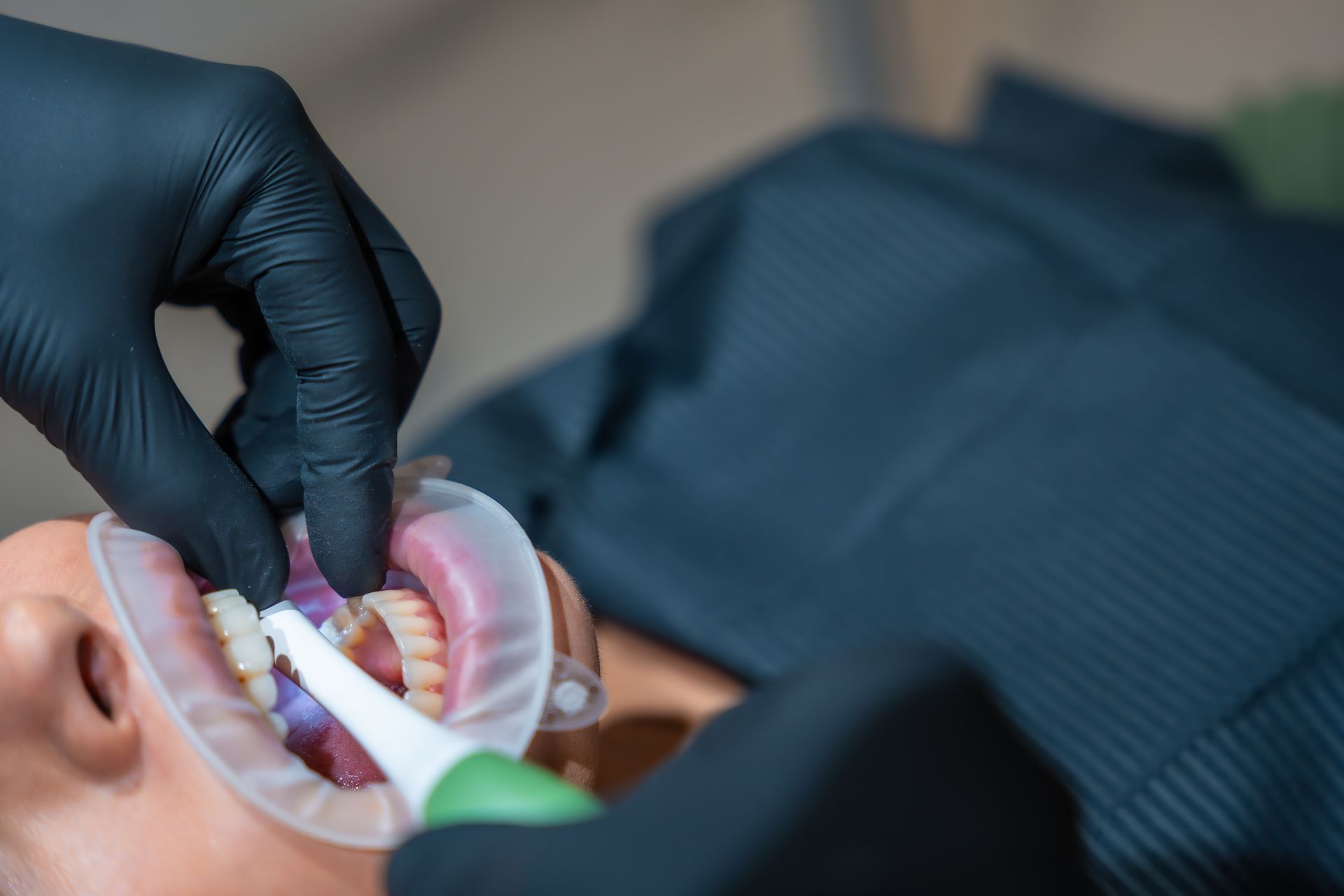
Regular checkups are part of preventative dental care, and they let your dentist look for early signs of peri-implantitis, bone loss, or wear on the crown. Most issues are easier to fix when caught early, which is why we recommend not skipping visits even if your implant feels perfectly fine.
Professional Cleanings for Implant Patients
Cleanings for implant patients use special instruments that are safe for the implant surface. Standard metal scalers can scratch the implant material, so hygienists use plastic or titanium tools designed for implant care.
A typical implant cleaning visit usually includes:
- A visual exam of the gum tissue around the implant
- Gentle cleaning with implant-safe instruments
- Polishing the crown with a non-abrasive paste
- Probing depth checks to monitor gum health
- Spot X-rays when your dentist wants to check bone levels
Monitoring Bone and Gum Health Over Time
X-rays and periodontal exams help track the health of the bone and gums around your implant. Small changes can be spotted early and addressed before they become serious.
Common Misconceptions About Dental Implants and Cavities
A few common beliefs about implants can lead patients into trouble. Let's clear them up.
"My Implant Can't Decay, So I Don't Need Special Care"
The implant itself won't decay, but the gums, bone, and nearby natural teeth still need daily care. Skipping oral hygiene because of an implant is one of the fastest ways to develop peri-implantitis.
"Implants Last Forever Without Maintenance"
Implants are designed to last a long time, but they need regular cleanings and checkups to stay healthy. The implants that fail are almost always the ones that weren't maintained.
"If It Doesn't Hurt, Everything Is Fine"
Peri-implantitis can develop without much pain. Patients often feel little or nothing until the problem is already advanced. This is why professional exams are so important.
Are Dental Implants More Resistant to Cavities Than Natural Teeth?
In a sense, yes. But that doesn't mean they need less attention overall.
Comparing Implants and Natural Teeth
| Feature | Dental Implant | Natural Tooth |
|---|---|---|
| Material | Titanium, ceramic, porcelain | Enamel, dentin, pulp |
| Can develop cavities | No | Yes |
| Affected by acid | No | Yes |
| Vulnerable to gum disease | Yes (peri-implantitis) | Yes (periodontitis) |
| Heals on its own | No | Limited remineralization |
| Bone support needed | Yes | Yes |
Advantages of Implant Materials
Implant materials are strong, biocompatible, and resistant to decay. They don't stain easily, they don't soften with acidic foods, and they hold up well to daily chewing. For patients replacing missing teeth, that durability is one of the biggest benefits.
Areas Where Natural Teeth Still Require Protection
Even after getting an implant, the rest of your natural teeth still need full protection. Cavities, gum disease, and wear can all affect the teeth around your implant. Caring for your whole mouth is what keeps your implant working its best.
Protecting Your Investment in a Healthy Smile
A dental implant is meant to last for many years, often a lifetime, when it's taken care of well. A small amount of daily attention goes a long way.
Building a Consistent Home Care Routine
Brushing twice a day, flossing once a day, and using any extra tools your dentist recommends are the foundation of implant care. Consistency matters more than intensity.
Addressing Problems Before They Become Serious
If something feels off around your implant, don't wait. A short visit to the dentist often takes care of an issue before it grows into a bigger problem. Early treatment for peri-implantitis is far easier than late-stage treatment.
Working With Your Dentist to Maximize Implant Longevity
Your dentist is your partner in keeping your implant healthy. Routine cleanings, exams, and open communication about any changes you notice are what protect your investment over the long term.
Keep Your Implants Strong for the Long Run
The biggest factor in how long your implants last is the care they get day to day and the attention they get at routine visits. Most implant problems can be prevented or spotted early, before they become serious.
If you've noticed any of the warning signs in this article, want help picking the right cleaning tools for your implants, or it's been a while since your last visit,
give our office a call. We're glad to answer questions, walk you through what an exam would look like, or schedule a checkup when you're ready.
Frequently Asked Questions
Does smoking affect the health of my dental implant?
Yes. Smoking restricts blood flow to the gums and slows healing, which raises the risk of peri-implantitis and bone loss around the implant. Smokers tend to have higher implant failure rates than non-smokers, especially over the long term. Cutting back or quitting gives your implant a much better chance of lasting.
Can grinding or clenching my teeth damage a dental implant?
Yes. Heavy grinding, known as bruxism, puts extra pressure on the crown and the implant post. Over time, it can crack the crown, loosen the abutment, or contribute to bone loss around the implant. If you grind at night, a custom nightguard or treatment for jaw clenching and grinding can protect your implant and the rest of your teeth.
Is bone loss around an implant reversible?
In most cases, bone that has already been lost cannot grow back on its own. Early peri-implantitis treatment can stop the loss from getting worse, and in some situations your dentist may recommend a bone graft to rebuild support. Catching the problem early gives you the most options.
What does treatment for peri-implantitis usually involve?
Treatment depends on how advanced the infection is. Mild cases are often handled with a deep cleaning around the implant and improved home care. More advanced cases may require antibiotics, decontamination of the implant surface, or surgery to clean and repair the area. The earlier it's caught, the simpler the treatment.
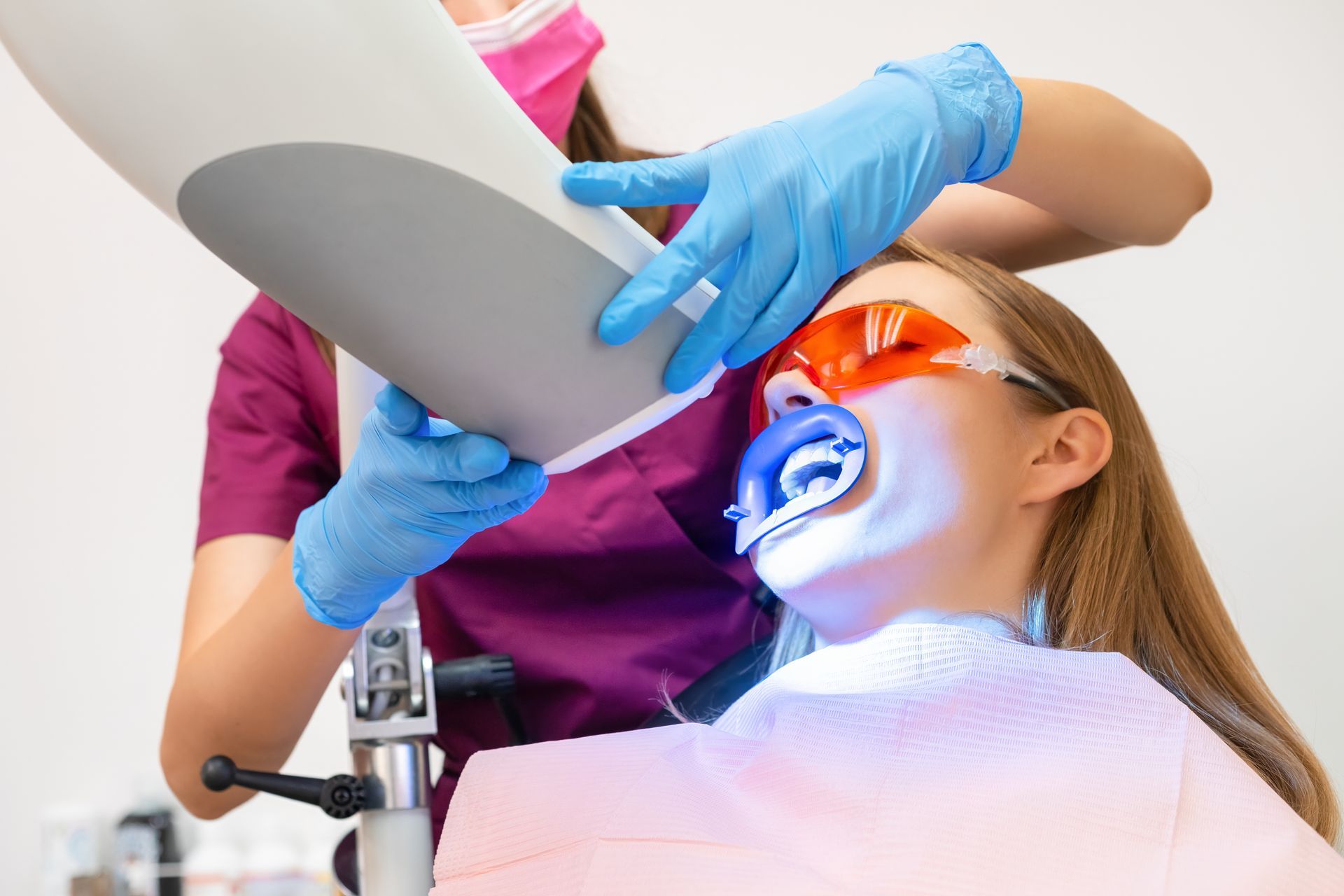
Are whitening products safe to use with dental implants?
Whitening products won't whiten implant crowns the way they whiten natural teeth. If you're planning professional whitening for your natural teeth, the color of your crown may no longer match. Talk to your dentist before whitening so the shade of your crown can be planned around your goals.