Invisalign vs Veneers: Which Is Better for Your Smile Goals?

The short answer: choose Invisalign if your main concern is crooked, crowded, or gapped teeth, and choose veneers if your main concern is the color, shape, or surface of teeth that are already reasonably straight. Invisalign moves your natural teeth into better positions. Veneers cover the front of your teeth to change how they look. They solve different problems, and for some patients the best result comes from using both.
At Ufberg Dental on the Main Line, we help patients in Berwyn, Wayne, Bryn Mawr, and the surrounding areas decide between these two options every week. The right choice depends on what is bothering you about your smile, your timeline, your budget, and whether you want to change your natural teeth or reposition them. This guide walks through the real differences so you can have a focused conversation at your consultation.
In This Guide
- The Quick Answer
- What Invisalign Is and What It Fixes
- What Veneers Are and What They Fix
- The Core Difference: Moving vs. Covering
- Side-by-Side Comparison
- Cost and Timeline Compared
- When Invisalign Is the Better Choice
- When Veneers Are the Better Choice
- When Combining Both Makes Sense
- How to Decide for Your Smile
- FAQ

The Quick Answer
Both treatments improve your smile, but they work in fundamentally different ways and solve different problems.
Choose Invisalign If
Choose Invisalign if your teeth are crooked, crowded, gapped, or misaligned, and you want to keep your natural teeth untouched. Invisalign is an orthodontic treatment that gradually moves your teeth into better positions without altering the teeth themselves.
Choose Veneers If
Choose veneers if your teeth are reasonably straight but you want to change their color, shape, size, or cover chips, stains, or worn edges. Veneers are thin shells bonded to the front of your teeth, giving a fast and dramatic cosmetic change.
The Real Bottom Line
Neither is universally "better." Invisalign fixes position. Veneers fix appearance. If your teeth are misaligned, veneers will not straighten them, and if your teeth are already straight but discolored, Invisalign will not change their color. Many patients are candidates for one clear choice, and some benefit from doing Invisalign first and veneers after.
What Invisalign Is and What It Fixes
Invisalign is a modern orthodontic treatment that uses a series of clear, removable aligners to gradually shift your teeth into better positions.
How Invisalign Works
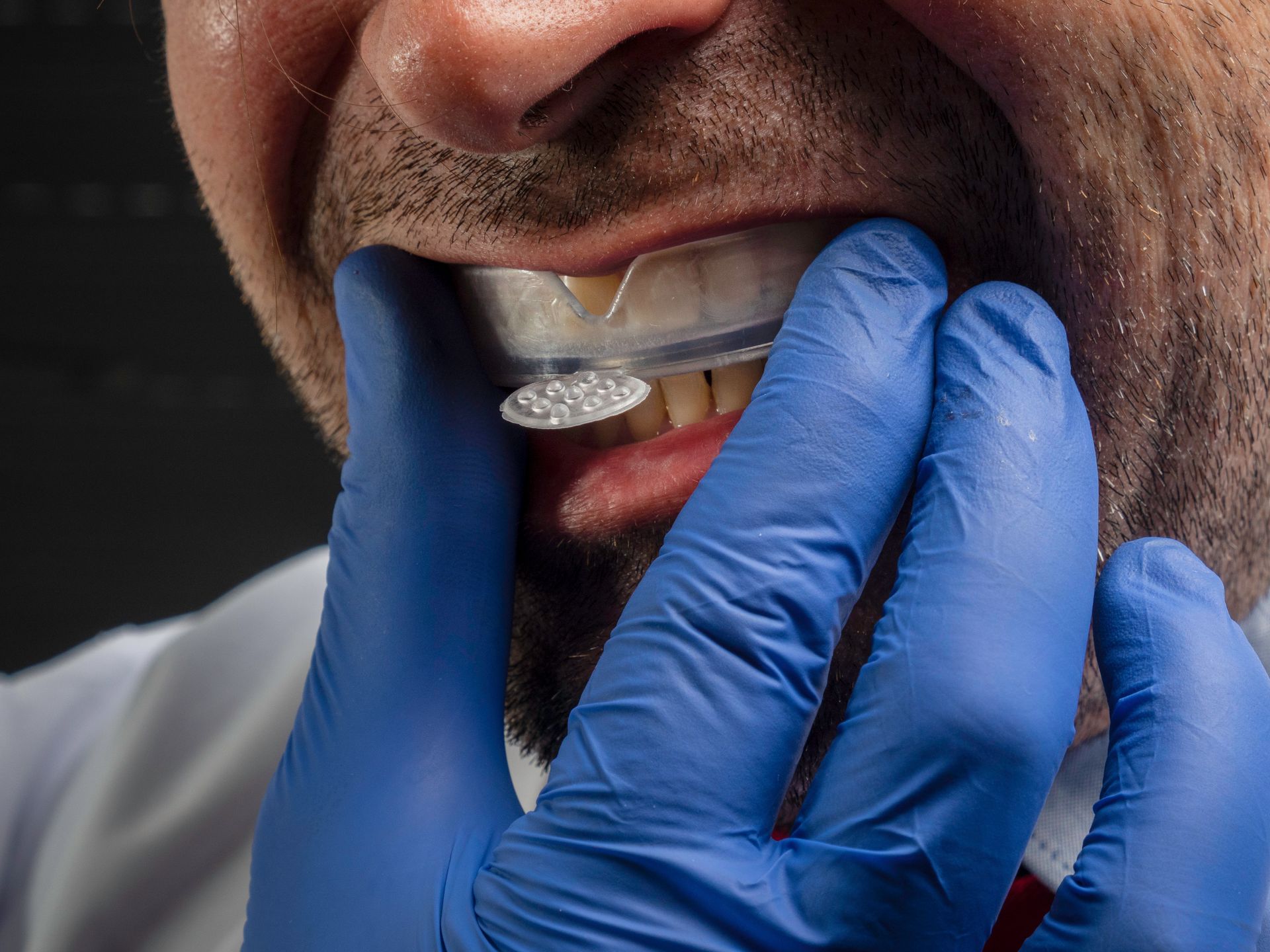
You wear a set of custom-made clear aligners for 20 to 22 hours a day, switching to a new set every week or two as your teeth move. Each aligner is slightly different, applying gentle pressure that moves teeth a small amount at a time. Over the course of treatment, your teeth shift into their planned final positions. Our Invisalign page covers the full process from scan to finished smile.
Because the aligners are removable, you take them out to eat and to brush, then put them back in. They are clear and fit snugly, so most people will not notice you are wearing them. This is a major reason adults often prefer Invisalign over traditional braces: the treatment is discreet and does not interfere with eating the foods you enjoy. The catch is compliance. The aligners only work if you actually wear them the recommended hours each day, so the treatment depends on your consistency.
What Invisalign Can Correct
- Crowded teeth that overlap or have no room
- Gaps and spacing between teeth
- Crooked or rotated teeth
- Many bite issues, including some overbites, underbites, and crossbites
- Mild to moderate misalignment of all kinds
What Invisalign Cannot Do
Invisalign does not change the color of your teeth, repair chips, or alter the shape of individual teeth. It moves teeth; it does not resurface them. If your concern is how your teeth look rather than where they sit, Invisalign alone will not solve it. For how long treatment typically takes, see our guide on
how long Invisalign takes.
What Veneers Are and What They Fix
Veneers are thin, custom-made shells, usually porcelain, that are bonded to the front surfaces of your teeth to change their appearance.
How Veneers Work
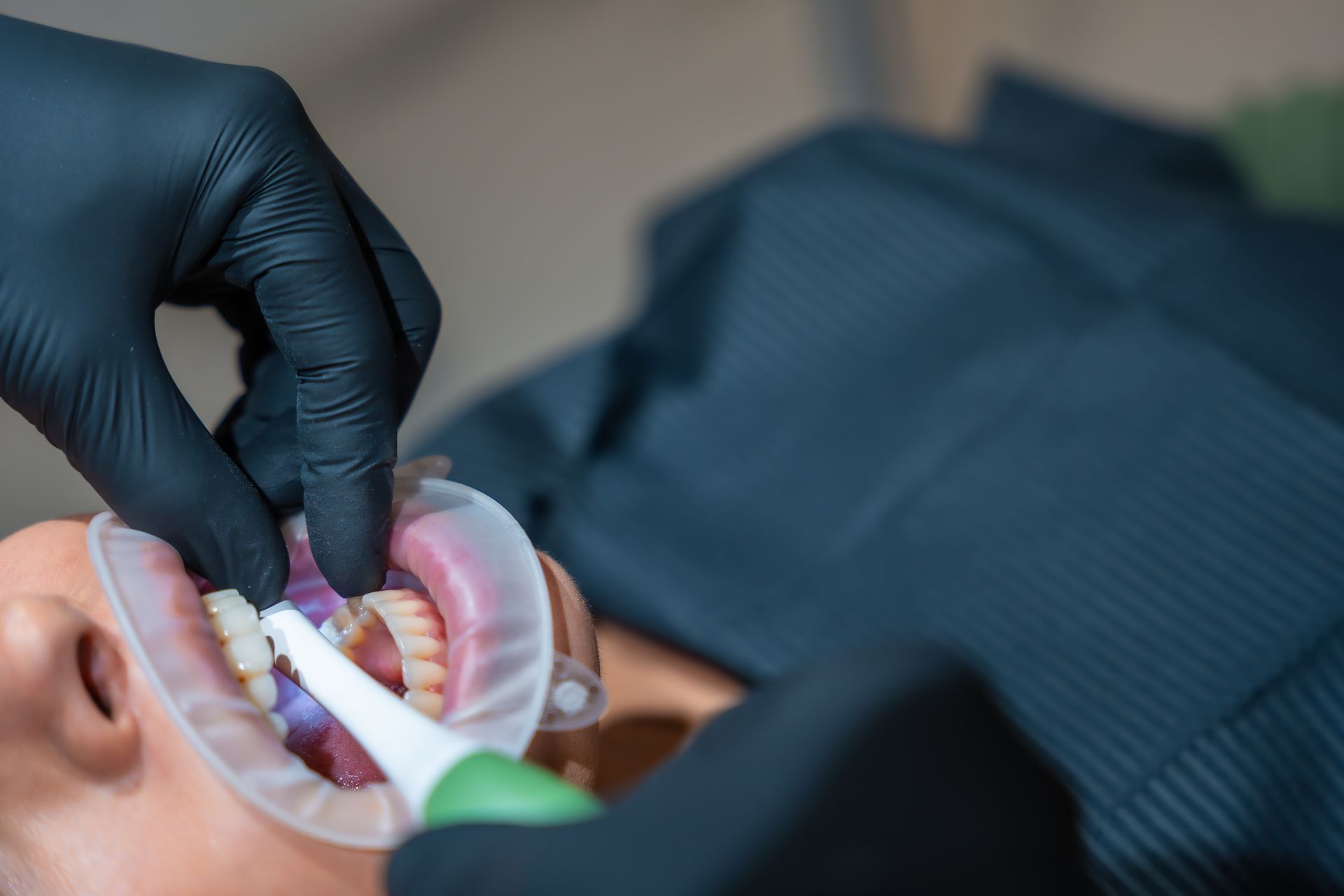
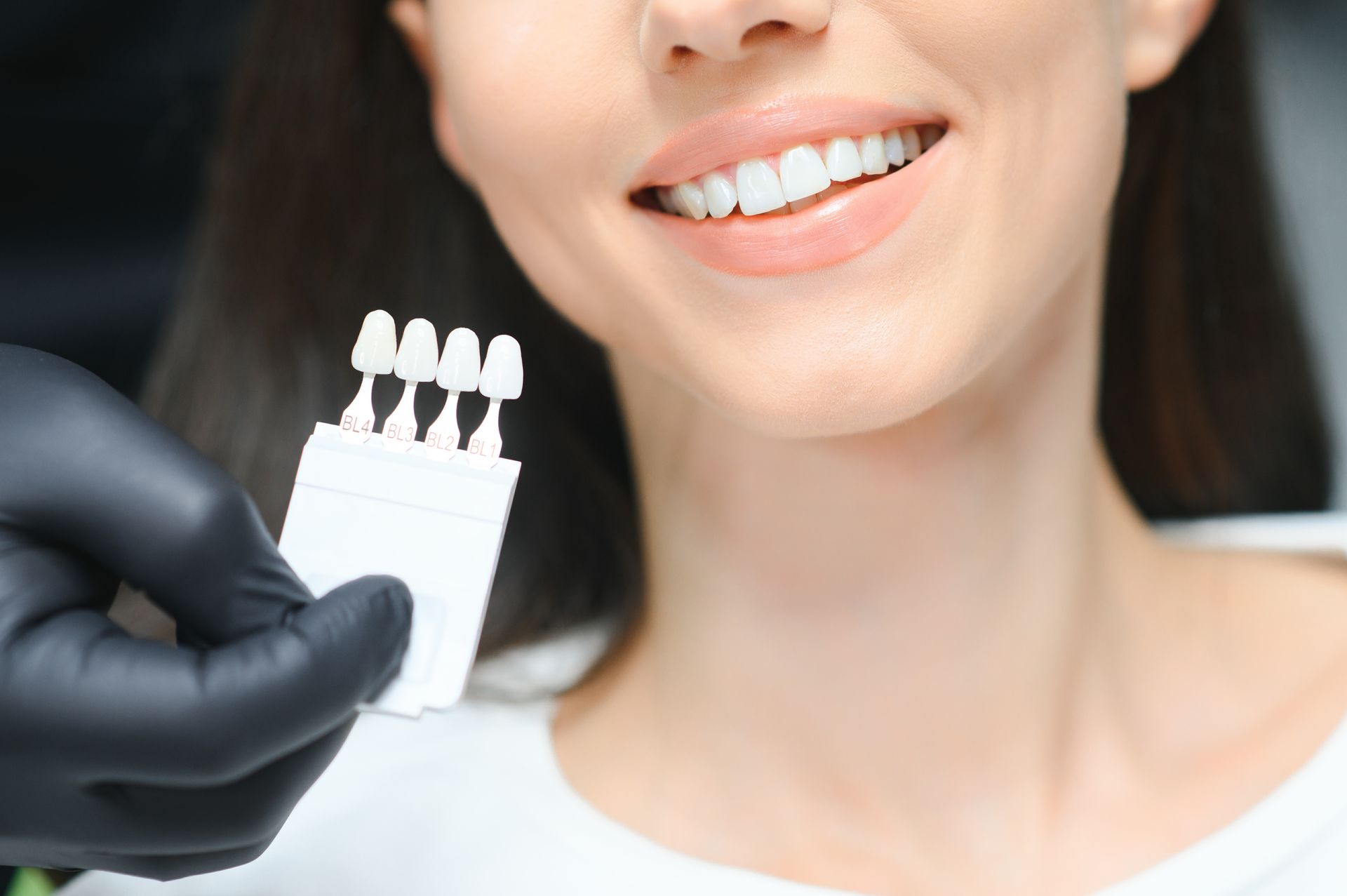
Your dentist prepares the front of the teeth, takes impressions, and a lab fabricates custom shells matched to your desired color and shape. The veneers are then bonded permanently to the front of your teeth. The result is an immediate change in the color, shape, and surface of the teeth, visible as soon as they are placed. Our cosmetic dentistry page covers veneers and the other cosmetic options we offer.
The preparation step is what makes veneers permanent. A thin layer of enamel is removed so the veneer sits flush and looks natural rather than bulky. Because enamel does not grow back, the teeth will always need to be covered by veneers afterward. This is not a drawback so much as a tradeoff to understand fully before committing, since it is the main difference between the reversible nature of Invisalign and the permanent nature of veneers.
What Veneers Can Correct
- Stained or discolored teeth that whitening cannot fix
- Chipped, cracked, or worn teeth
- Small or misshapen teeth
- Minor gaps between teeth
- Slightly uneven teeth (without true orthodontic movement)
What Veneers Cannot Do
Veneers do not move teeth or correct real alignment or bite problems. They can mask very minor unevenness, but placing veneers on significantly crooked teeth often means more aggressive preparation and a less healthy long-term result. Veneers also involve permanently altering the natural teeth underneath, which is a meaningful consideration. Our guide on whether
veneers can get cavities covers the long-term care side.
The Core Difference: Moving vs. Covering
If you remember one thing, remember this: Invisalign repositions your natural teeth, while veneers cover and reshape them.
Invisalign is a conservative approach. It changes nothing about the teeth themselves; it just moves them. When treatment ends, your natural teeth are intact, simply in better positions. The tradeoff is time (months of treatment) and that it does not address color or shape.
Veneers are a transformative but more permanent approach. They deliver a dramatic cosmetic change quickly, but they require removing a thin layer of enamel from the natural teeth, which cannot be undone. Once you have veneers, you will always need veneers on those teeth. The tradeoff is the permanence and the fact that they do not fix true alignment.
Another way to think about it: Invisalign works with what nature gave you, refining the arrangement, while veneers replace the visible surface with something designed to your specifications. Neither is inherently superior. A patient with healthy, well-shaped teeth that simply sit crooked is usually better served by moving them. A patient with straight teeth that are chipped, worn, or permanently stained is usually better served by resurfacing them. The biology of your specific teeth points to the answer.
This single distinction usually points most patients toward the right answer based on whether their concern is position or appearance.
Side-by-Side Comparison
Here is the full comparison on one screen.
| Factor | Invisalign | Veneers |
|---|---|---|
| What it does | Moves natural teeth | Covers and reshapes teeth |
| Best for | Crooked, crowded, gapped teeth | Stained, chipped, misshapen teeth |
| Changes tooth color | No | Yes |
| Changes tooth shape | No | Yes |
| Fixes alignment and bite | Yes | No |
| Alters natural teeth | No | Yes (permanent) |
| Reversible | Yes (teeth can move again) | No |
| Typical timeline | 6 to 18 months | 2 to 4 weeks |
| Removable | Yes | No (permanent) |
| Maintenance | Wear retainer after | Replace every 10 to 15 years |
| Speed of result | Gradual | Immediate |
Cost and Timeline Compared
Cost and timeline are often deciding factors, and they differ significantly between the two.
Timeline
Veneers are fast. From consultation to placement is usually two to four weeks, and the cosmetic change is immediate once they are bonded. Invisalign is gradual, typically taking 6 to 18 months depending on the complexity of the case, with results appearing slowly over that period.
Cost
Cost depends on how many teeth are involved and the complexity of your case. Invisalign is priced as a full orthodontic treatment regardless of how many teeth need moving, since the aligners cover the whole arch. Veneers are priced per tooth, so the total depends heavily on how many you get. A few veneers may cost less than full Invisalign treatment, while a full smile of veneers usually costs more.
Longevity
After Invisalign, you wear a retainer to keep teeth in place, and your natural teeth can last a lifetime. Veneers typically last 10 to 15 years before needing replacement, and because the natural teeth underneath have been altered, replacement is a permanent ongoing commitment. We verify your specific costs and review financing at the consultation; our insurance page covers what may apply.
The Maintenance Difference
The two options ask for different things over time. Invisalign requires diligent retainer wear after treatment, because teeth naturally drift back toward their old positions if a retainer is not used. Skip the retainer and the investment can partly undo itself. Veneers require normal brushing and flossing plus avoiding habits that can chip them, like biting ice or using teeth as tools. Both are manageable, but the type of upkeep is different: Invisalign asks for a nightly retainer habit, veneers ask for protecting the restorations and eventually replacing them.
When Invisalign Is the Better Choice
Invisalign is usually the right answer in these situations.
Your Teeth Are Crooked or Crowded
If the actual position of your teeth is the problem, Invisalign addresses the root cause by moving them. Veneers placed on crooked teeth are a cosmetic shortcut that often compromises long-term tooth health.
You Want to Keep Your Natural Teeth Intact
Invisalign changes nothing about the teeth themselves. For patients who want the most conservative option that preserves their natural tooth structure, Invisalign is the clear choice.
You Have Bite Issues
Overbites, underbites, crossbites, and similar functional problems are orthodontic issues. Veneers cannot fix them; Invisalign often can. If your concern involves how your teeth come together, not just how they look, Invisalign is the appropriate treatment.
When Veneers Are the Better Choice
Veneers are usually the right answer in these situations.
Your Teeth Are Already Straight But Discolored or Worn
If alignment is not your issue but color, chips, or worn edges are, veneers deliver a transformation that Invisalign cannot. Whitening helps with color alone, but veneers also fix shape and surface issues at the same time.
You Want a Fast, Dramatic Change
For a wedding, a major event, or simply wanting results quickly, veneers deliver in weeks what Invisalign takes months to achieve. The speed is a genuine advantage when appearance is the goal.
You Have Multiple Cosmetic Issues at Once
Veneers can address color, shape, minor gaps, and worn edges in a single treatment. For patients with several cosmetic concerns on reasonably straight teeth, veneers consolidate the fix into one process rather than several. Our cosmetic dentist on the Main Line guide covers how veneers fit into a full smile makeover.
You Have Stains That Whitening Cannot Fix
Some discoloration does not respond to whitening, including stains from certain medications, internal tooth discoloration, and deep staining on teeth that have had prior dental work. Veneers cover these completely, delivering a uniform color that whitening simply cannot achieve on stubbornly discolored teeth.
When Combining Both Makes Sense
For some patients, the best result uses both treatments in sequence: Invisalign first to move the teeth into proper alignment, then veneers to perfect the color and shape.
This combined approach makes sense when your teeth are both misaligned and have cosmetic issues. Straightening first means the veneers can be placed on well-positioned teeth, which requires less aggressive preparation and produces a healthier, more natural result. It is more of a time and cost commitment, but for patients who want a complete transformation, it often delivers the best long-term outcome.
A dentist who offers both treatments can plan this sequence properly. Doing Invisalign first frequently reduces how many veneers you ultimately need, because well-aligned teeth need less cosmetic correction.
A Common Example
A patient comes in unhappy with a smile that is both a little crowded and has some discolored, worn front teeth. Veneers alone could mask the crowding, but only by grinding down more tooth structure to make the shells sit right, which is not ideal for long-term health. Invisalign alone would straighten the teeth but leave the color and worn edges unaddressed. The combined plan, Invisalign first then a few veneers, straightens the teeth conservatively and then perfects the appearance, often with fewer veneers than would have been needed otherwise. This is the kind of tradeoff worth discussing at a consultation rather than deciding on your own.
How to Decide for Your Smile
The right choice comes down to a few direct questions about what you actually want to change.
Ask yourself: Is my main concern the position of my teeth (crooked, crowded, gapped) or their appearance (color, shape, chips)? Do I want to preserve my natural teeth, or am I comfortable permanently altering them for a faster cosmetic result? Do I have a timeline that favors speed, or can I commit to several months of gradual treatment?
These questions usually point clearly toward one option. But the most reliable way to decide is a consultation where a dentist can assess your teeth, your bite, and your goals together. What looks like a veneers case sometimes turns out to be better served by Invisalign, and the reverse happens too.
To talk through which option fits your smile,
contact Ufberg Dental to schedule a cosmetic consultation. We see patients across Berwyn and the Main Line, offer both Invisalign and veneers, and will give you a straightforward recommendation based on what you want to achieve.
Frequently Asked Questions
Is Invisalign or veneers better for crooked teeth?
Invisalign is better for genuinely crooked teeth because it moves them into proper position. Veneers can mask very minor unevenness, but placing them on significantly crooked teeth usually means more aggressive preparation and a less healthy long-term result. For real alignment issues, Invisalign addresses the cause.
Can veneers straighten teeth like Invisalign?
No. Veneers cover the front of teeth to change their appearance, but they do not move teeth or correct alignment and bite problems. They can make slightly uneven teeth look more uniform, but they cannot straighten teeth the way orthodontic treatment does.
Which is faster, Invisalign or veneers?
Veneers are much faster. From consultation to placement is usually two to four weeks, with an immediate result. Invisalign typically takes 6 to 18 months because it gradually moves teeth over time.
Is it cheaper to get Invisalign or veneers?
It depends on how many teeth are involved. Invisalign is priced as one full orthodontic treatment. Veneers are priced per tooth. A few veneers may cost less than Invisalign, while a full set of veneers usually costs more. A consultation gives you exact numbers for your case.
Can you get veneers after Invisalign?
Yes, and this combination often produces the best result. Invisalign first moves the teeth into proper alignment, then veneers perfect the color and shape. Straightening first usually means fewer veneers and less aggressive preparation, which is healthier for your natural teeth long-term.