TMJ Headache Symptoms: How to Tell If Jaw Pain Is the Cause

TMJ headaches often show up as a dull ache around the temples, forehead, or behind the eyes, and they tend to come with jaw symptoms like clicking, tenderness, or difficulty opening your mouth. The key sign that your jaw is the cause is a headache that appears alongside jaw pain, tightness, or clenching, often worse in the morning or after chewing. Because TMJ headaches can feel like tension headaches or migraines, they are frequently missed, but the jaw-related clues help tell them apart.
At Ufberg Dental in Berwyn, we help patients identify and manage TMJ-related jaw problems that can trigger headaches. Below we explain what TMJ headaches feel like, the jaw symptoms that point to them, what causes them, and when to see a dentist.
Start with what a TMJ headache feels like, then see the jaw clues that confirm it.
In This Guide
- What is the TMJ?: The joint behind the pain.
- What TMJ headaches feel like: The headache symptoms.
- Jaw symptoms that point to TMJ: The telltale clues.
- TMJ headache vs other headaches: How to tell them apart.
- What causes TMJ headaches: The common triggers.
- When to see a dentist: Getting help.
- Frequently asked questions: Quick answers to common questions.

What Is the TMJ?
To understand TMJ headaches, it helps to know what the TMJ is. It plays a bigger role in head and face pain than most people realize, which is why the connection is so often overlooked.
The Jaw Joint
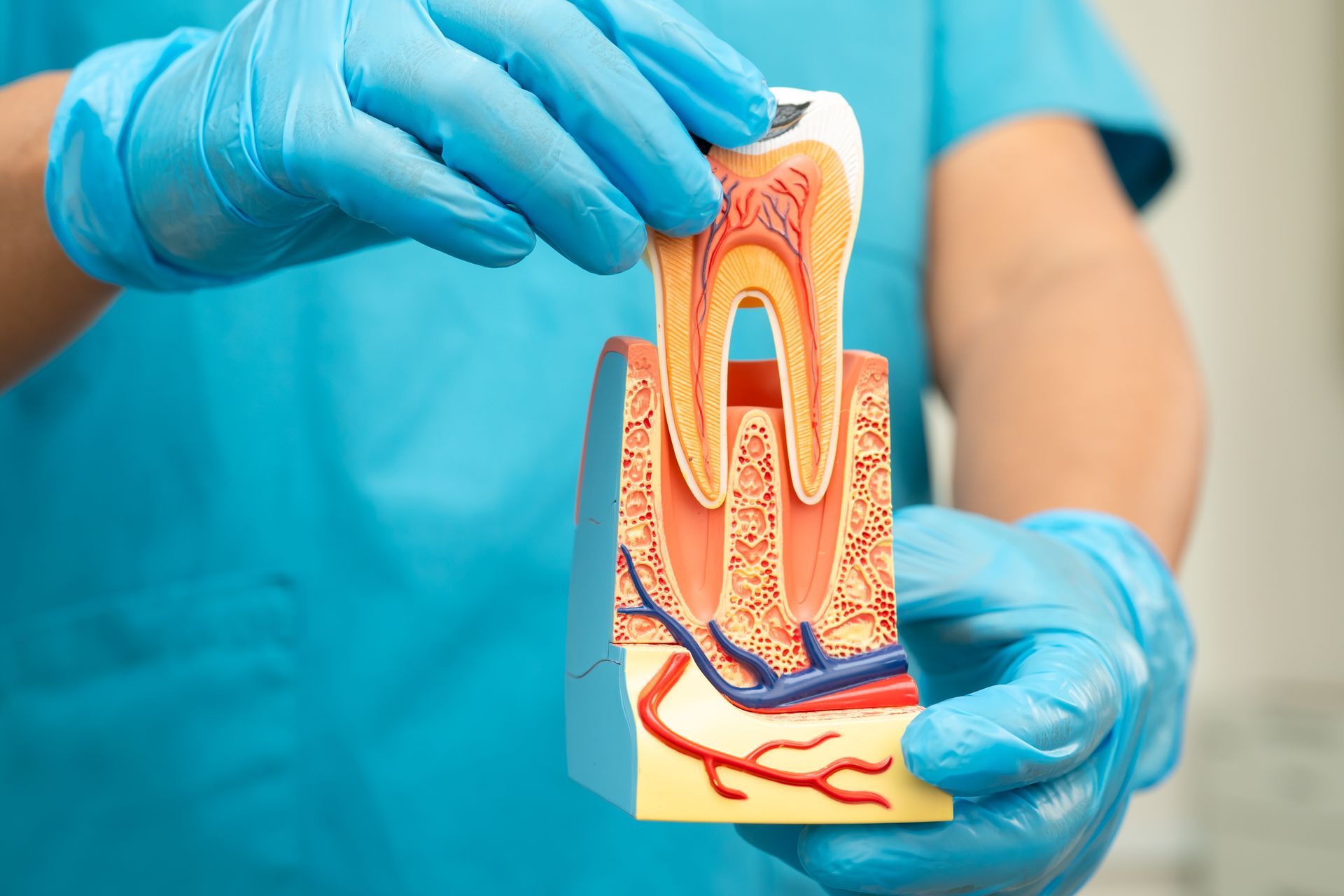
The temporomandibular joint, or TMJ, is the hinge that connects your lower jaw to your skull, just in front of each ear. You have one on each side, and they work together every time you talk, chew, yawn, or swallow.
When this joint and the surrounding muscles are strained or not working smoothly, the problem is often called TMD, a temporomandibular disorder. TMJ problems and TMD are the terms most people use for the same set of issues.
It is a surprisingly busy joint, moving thousands of times a day as you speak, eat, and swallow. That constant use is part of why a small problem there can have an outsized effect, and why strain in the joint or its muscles is felt so readily in the surrounding areas.
Why It Causes Headaches
The TMJ is surrounded by muscles that extend into the temples, cheeks, and neck. When these muscles are overworked or tense, that strain can radiate outward and be felt as a headache.
This is why a jaw problem can cause pain far from the jaw itself. The muscle tension from a strained TMJ often shows up as head pain before people connect it back to their jaw.
The temporalis muscle is a good example: it fans out across the temple, the very spot where TMJ headaches are so often felt, and it works hard every time you clench. When it is overworked, the ache it produces feels exactly like a headache, even though the real source is the jaw below it.
What TMJ Headaches Feel Like
TMJ headaches have a recognizable pattern once you know what to look for. The location and timing are often the biggest clues, more so than the intensity of the pain.
Location and Sensation
TMJ headaches are most often felt in the temples, forehead, or behind the eyes, and sometimes as a general tightness around the whole head. The pain is usually a dull, aching, or pressing sensation rather than a sharp, throbbing one.
Many people describe it as feeling like a tight band around the head or pressure at the temples. It can be one-sided or affect both sides, depending on which joint is involved.
The pain also tends to be steady rather than sudden. Instead of a sharp spike, a TMJ headache usually builds gradually and lingers, which is one reason people often mistake it for an ordinary stress or tension headache and reach for a pain reliever rather than looking at the jaw.
Timing Patterns
The timing often points straight to the jaw. TMJ headaches are frequently worse in the morning, which suggests nighttime clenching or grinding, or they build through the day with ongoing jaw use.
They may also flare after chewing a big or tough meal, after a stressful period of clenching, or by the end of a long day. Noticing when your headaches strike is one of the most useful clues.
Keeping a short diary of your headaches for a week or two can make the pattern obvious. If you jot down when the pain appears and what you were doing, a clear link to mornings, meals, or stressful stretches often emerges, which is exactly the kind of detail that helps a dentist pinpoint a TMJ cause.
Jaw Symptoms That Point to TMJ
The clearest way to link a headache to the jaw is the presence of jaw symptoms alongside it. These are the telltale signs worth paying attention to.
Classic TMJ Signs
If your headaches come with any of these jaw symptoms, TMJ is a likely culprit.
- Jaw pain or tenderness, especially near the ears or the joints themselves.
- Clicking or popping when you open or close your mouth.
- Jaw stiffness or difficulty opening your mouth fully.
- A tired or sore feeling in the jaw muscles, especially by day's end.
- Clenching or grinding, often noticed on waking.
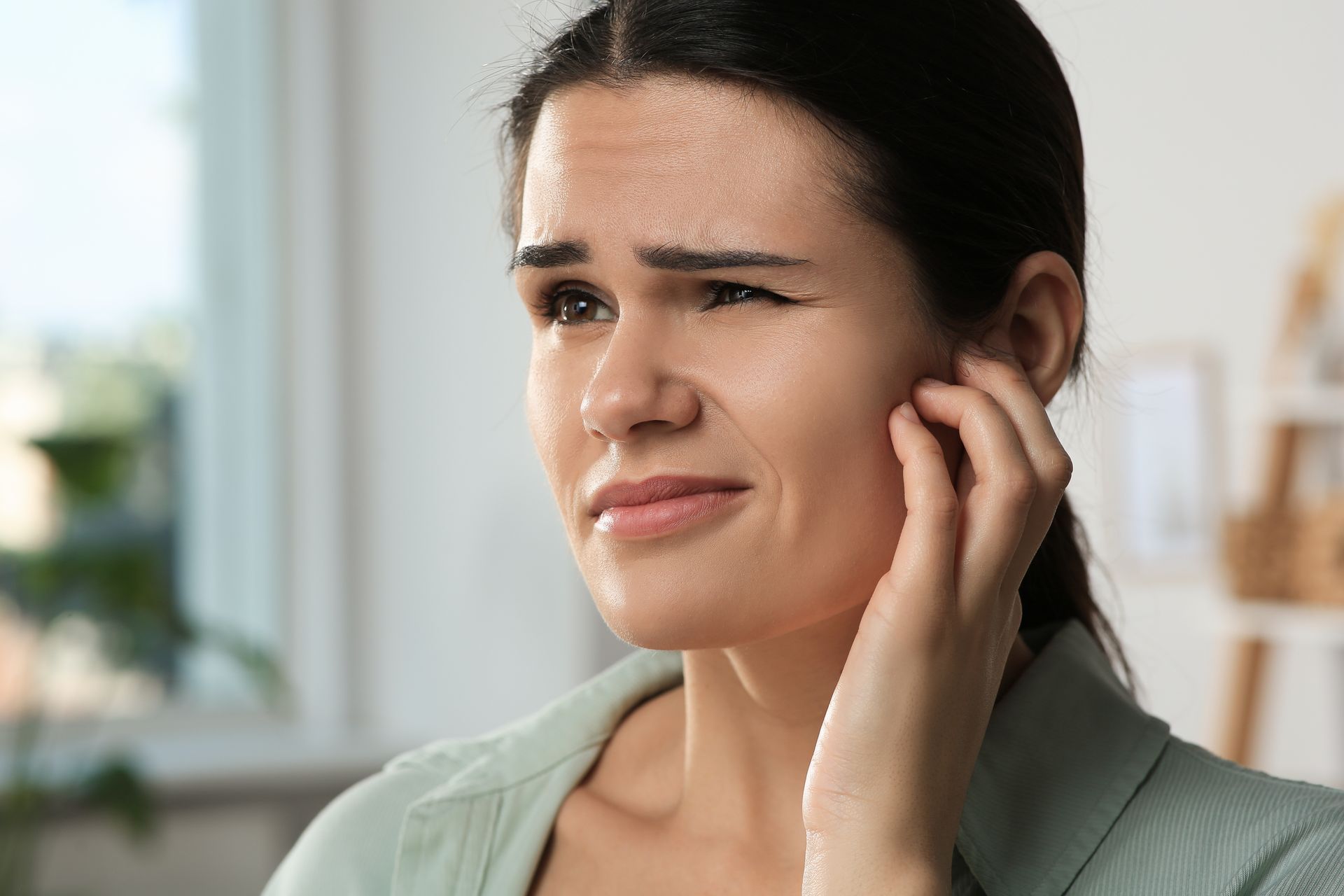
You can do a quick self-check at home: rest your fingertips just in front of your ears and open and close your mouth. If you feel clicking, tenderness, or uneven movement, or notice the muscles there are sore to the touch, those are the kinds of jaw signs that link a headache to the TMJ.
Related Symptoms
TMJ problems can also cause symptoms beyond the jaw and head, which is part of what makes them tricky to identify. These sometimes accompany the headaches and jaw signs.
- Ear symptoms like fullness, ringing, or aching without any ear infection.
- Facial pain across the cheeks or around the eyes and temples.
- Neck and shoulder tension from the related muscle strain.
- A change in your bite or how your teeth fit together.
The ear symptoms in particular catch people off guard, because they can feel like an ear infection when the ears are actually fine. The TMJ sits right in front of the ear canal, so joint strain is easily felt as fullness or ringing, and it is a common reason people see one provider after another before the jaw is identified as the source.
TMJ Headache vs Other Headaches
TMJ headaches are easy to confuse with other common headaches, which is why they are so often missed for months or even years. This comparison helps sort them out.
How They Compare
The distinguishing feature of a TMJ headache is its link to the jaw. This table highlights what sets a TMJ headache apart from other common headaches, though only an exam can confirm the cause.
| Feature | TMJ Headache | Other Headaches |
|---|---|---|
| Typical location | Temples and jaw area | Band around head or one-sided |
| Sensation | Dull ache or pressure | Tightness or throbbing |
| Jaw symptoms | Yes, a key sign | Usually absent |
| Common trigger | Clenching, chewing | Stress, posture, or varied |
| Worse in the morning | Often, from night clenching | Not typically |
The overlap is real, and some people have more than one type. The presence of jaw clicking, tenderness, or clenching is the strongest hint that the jaw is involved.
Why They Get Missed
Because TMJ headaches mimic tension headaches and migraines, they are often treated as those instead, without addressing the jaw. Pain relievers may dull the symptom while the underlying cause continues.
This is why noticing the jaw connection matters so much. When headaches do not fully respond to usual treatment, an unaddressed TMJ problem is worth considering.
It also means the fix can be different from what you might expect. Rather than another round of pain relievers, treating the jaw itself, often by easing the clenching and muscle strain, addresses the source. That is why raising the jaw connection with a dentist can open up a path to relief that headache treatments alone may miss.
What Causes TMJ Headaches
Understanding what strains the jaw helps explain the headaches and points toward relief. A few causes are behind most cases, and they often work together.
Clenching and Grinding
The most common cause is clenching or grinding your teeth, known as bruxism, which often happens during sleep. This constant strain overworks the jaw muscles and joint, leading to the muscle tension that becomes a headache.
Stress is a major driver of clenching, which is part of why TMJ headaches often worsen during stressful periods. Many people clench without realizing it, especially at night.
Daytime clenching is easy to overlook too. Concentrating at a computer, driving in traffic, or focusing on a task can lead to hours of subtle jaw tension without you noticing. Becoming aware of when you clench, and consciously relaxing the jaw, is often a helpful first step alongside professional treatment.
Other Contributing Factors
Several other issues can strain the TMJ and contribute to headaches.
- Bite problems or misaligned teeth that stress the joint.
- Jaw injury or trauma to the joint.
- Arthritis affecting the joint.
- Poor posture that strains the neck and jaw.
Often more than one of these is at play. Stress-driven clenching combined with a slightly off bite, for example, can strain the joint more than either would alone, which is why a dentist looks at the whole picture rather than a single cause when planning treatment.
When to See a Dentist
TMJ headaches are treatable, and a dentist is often the right person to help. Knowing when to seek care leads to faster relief and keeps the problem from becoming chronic.
Signs It Is Time
Consider seeing a dentist if you have persistent or recurring headaches along with jaw symptoms, especially if the headaches are worse in the morning or after chewing. Ongoing jaw pain, clicking, or clenching are all good reasons to get evaluated.
A dentist can examine your jaw, bite, and teeth for signs of TMJ strain and grinding. If clenching is involved, a custom nightguard is a common and effective treatment that protects your teeth and eases the strain that causes the headaches.
You should also seek care sooner rather than later if the pain is affecting your sleep, your ability to eat, or your daily life, or if you notice your jaw locking or becoming difficult to open. These are signs the problem has progressed and is worth addressing promptly rather than waiting to see if it passes.
Getting Relief
Treatment depends on the cause but often includes a nightguard, stress and habit management, jaw exercises, and addressing any bite issues. For many people, these measures significantly reduce or resolve the headaches.
A nightguard is often the cornerstone, since it protects the teeth from grinding and cushions the joint while you sleep, when much of the damage happens. Alongside it, simple habits like applying warm compresses, doing gentle jaw stretches, eating softer foods during flare-ups, and managing stress can all ease the muscle tension driving the headaches.
If dental anxiety has kept you from seeking care, our
sedation dentistry
options can make treatment comfortable. And if you are ever in severe pain, our
emergency dentist in Berwyn is here to help. The sooner a TMJ problem is addressed, the sooner the headaches can ease, and the less likely they are to become a long-term pattern you simply live with.
Connecting the Dots Between Jaw and Head
TMJ headaches typically feel like a dull ache or pressure around the temples, forehead, or behind the eyes, and the giveaway is that they come with jaw symptoms like clicking, tenderness, clenching, or stiffness, often worse in the morning. Because they mimic tension headaches and migraines, the jaw clues are what set them apart and point toward the real cause.
At Ufberg Dental in Berwyn, we help patients figure out whether their headaches are jaw-related and treat the underlying TMJ strain. If your headaches come with jaw symptoms, reach out to our team for an evaluation. We will check your jaw and bite, explain what we find, and help you find lasting relief rather than just masking the pain.
Frequently Asked Questions
How do I know if my headache is from TMJ?
The biggest clue is that the headache comes with jaw symptoms, such as clicking, tenderness, stiffness, or clenching, and is often worse in the morning or after chewing. TMJ headaches are usually a dull ache or pressure around the temples rather than a sharp, throbbing pain.
Where are TMJ headaches usually felt?
TMJ headaches are most often felt in the temples, forehead, or behind the eyes, and sometimes as a general tightness around the head. They may be on one or both sides, and the pain is typically a dull, aching, or pressing sensation rather than throbbing.
Can TMJ cause headaches every day?
Yes. If the jaw strain is constant, such as from frequent clenching or grinding, the resulting muscle tension can cause daily or near-daily headaches. This pattern, especially with morning headaches and jaw symptoms, is a strong reason to have your jaw evaluated by a dentist.
How are TMJ headaches treated?
Treatment depends on the cause but often includes a custom nightguard for clenching and grinding, stress and habit management, jaw exercises, and addressing bite problems. For many people these measures significantly reduce or resolve the headaches by relieving the underlying jaw strain.
Should I see a dentist or a doctor for TMJ headaches?
A dentist is often the right choice, since TMJ problems involve the jaw, bite, and teeth, and clenching or grinding is a frequent cause. A dentist can examine for these signs and provide treatments like a nightguard. If another cause is suspected, they can help direct you appropriately.