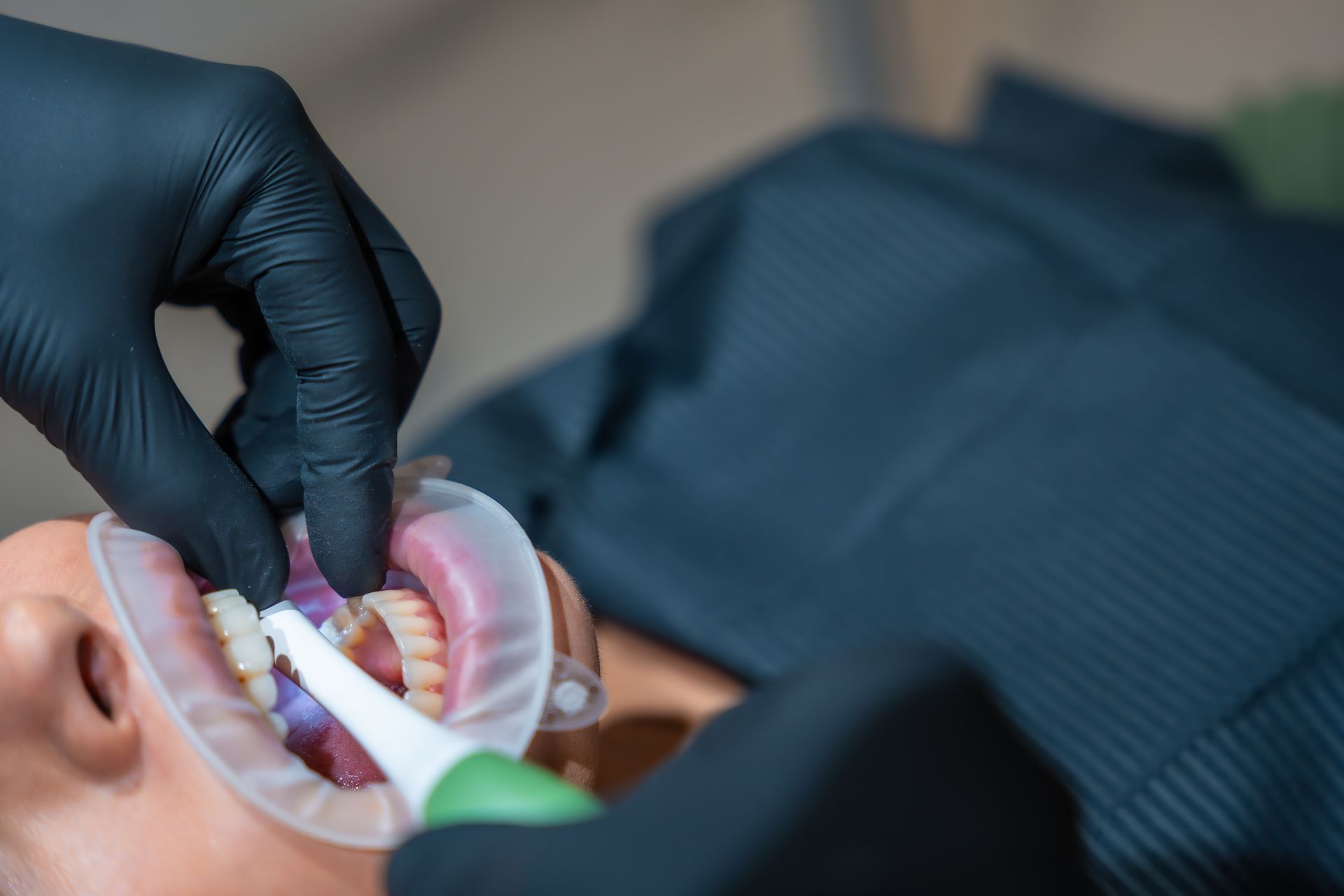
How to Clean and Care for Dental Implants (Daily Routine Guide)

Cleaning dental implants is simpler than most people expect: brush twice a day with a soft brush, clean under and around the implant once a day with floss or a water flosser, and keep your regular dental checkups. The implant itself cannot decay, but the gum and bone that hold it in place can become infected if plaque builds up, and that is the leading cause of implant problems. Good daily care is what makes an implant last decades instead of years.
At Ufberg Dental on the Main Line, we place and maintain dental implants for patients across Berwyn, Wayne, Bryn Mawr, and the surrounding communities. The patients whose implants last longest are not the ones with special equipment, they are the ones with a consistent daily routine. This guide walks through exactly what that routine looks like, the tools worth using, and the habits that protect your investment.
In This Guide
- The Quick Answer
- Why Cleaning Dental Implants Matters
- Your Daily Dental Implant Cleaning Routine
- The Best Tools for Cleaning Implants
- How to Clean Different Types of Implants
- Common Cleaning Mistakes to Avoid
- Professional Cleanings and Checkups
- Warning Signs to Watch For
- Habits That Help Implants Last
- Keep Your Implants Healthy for Life
- FAQ

The Quick Answer
A healthy dental implant routine has three parts, and none of them are complicated.
The Daily Basics
Brush twice a day with a soft-bristled toothbrush and non-abrasive toothpaste, paying attention to where the implant crown meets the gum line. Clean under and around the implant once a day with floss designed for implants, a water flosser, or an interdental brush. That is the core of it.
The Professional Part
See your dentist every six months (or as recommended) for a professional cleaning and an implant check. Hygienists use special instruments that will not scratch the implant surface, and your dentist monitors the gum and bone health around it.
Why This Works
The implant post and crown cannot get cavities, but the surrounding gum and bone can develop infection from plaque. Daily cleaning plus professional monitoring stops that before it starts. Our
dental implants page covers how the implant is built and why the gum line matters so much.
Why Cleaning Dental Implants Matters
It is a common misconception that implants are maintenance-free because they are artificial. The truth is more nuanced.
The Implant Cannot Decay, But the Gum Can Get Sick
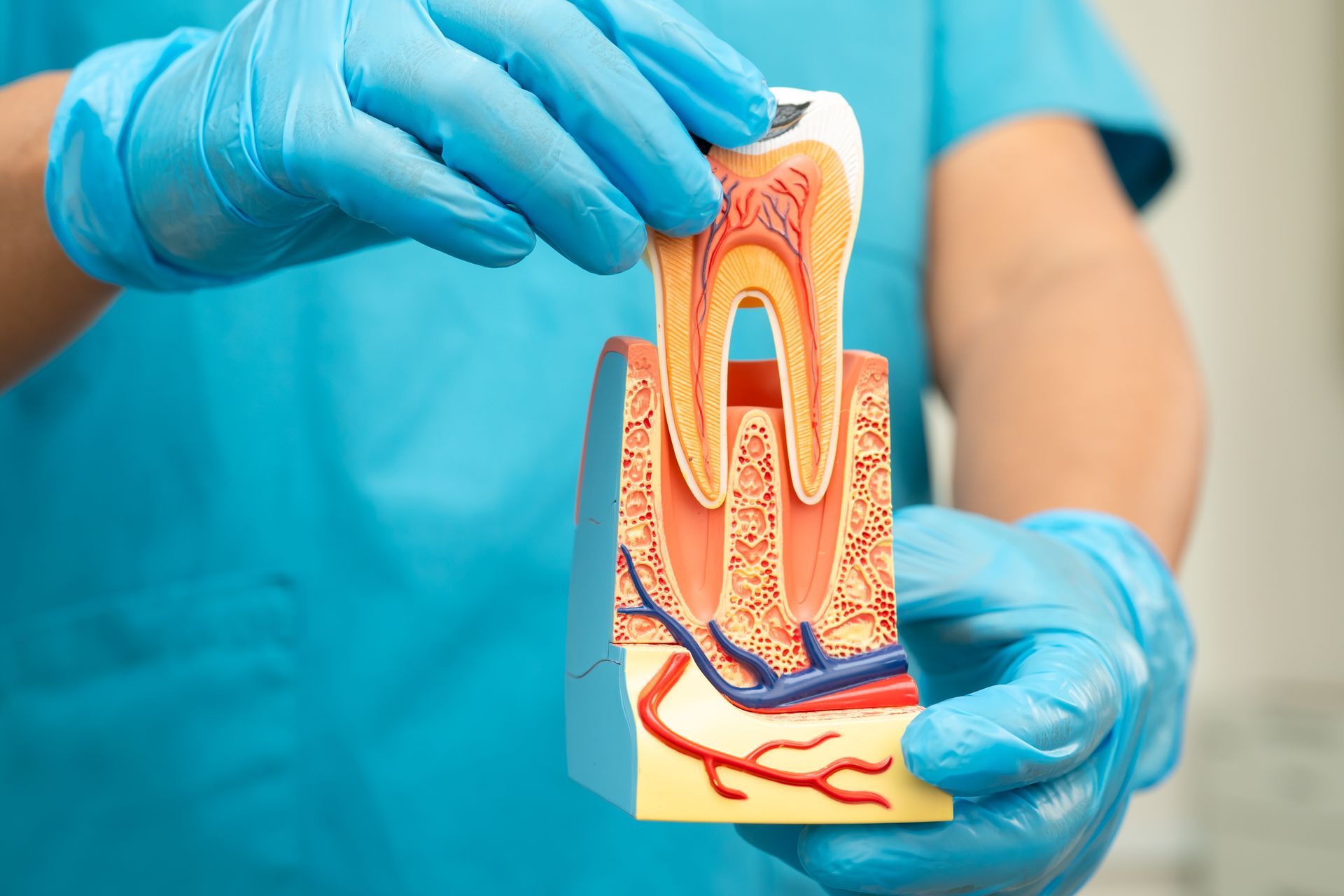
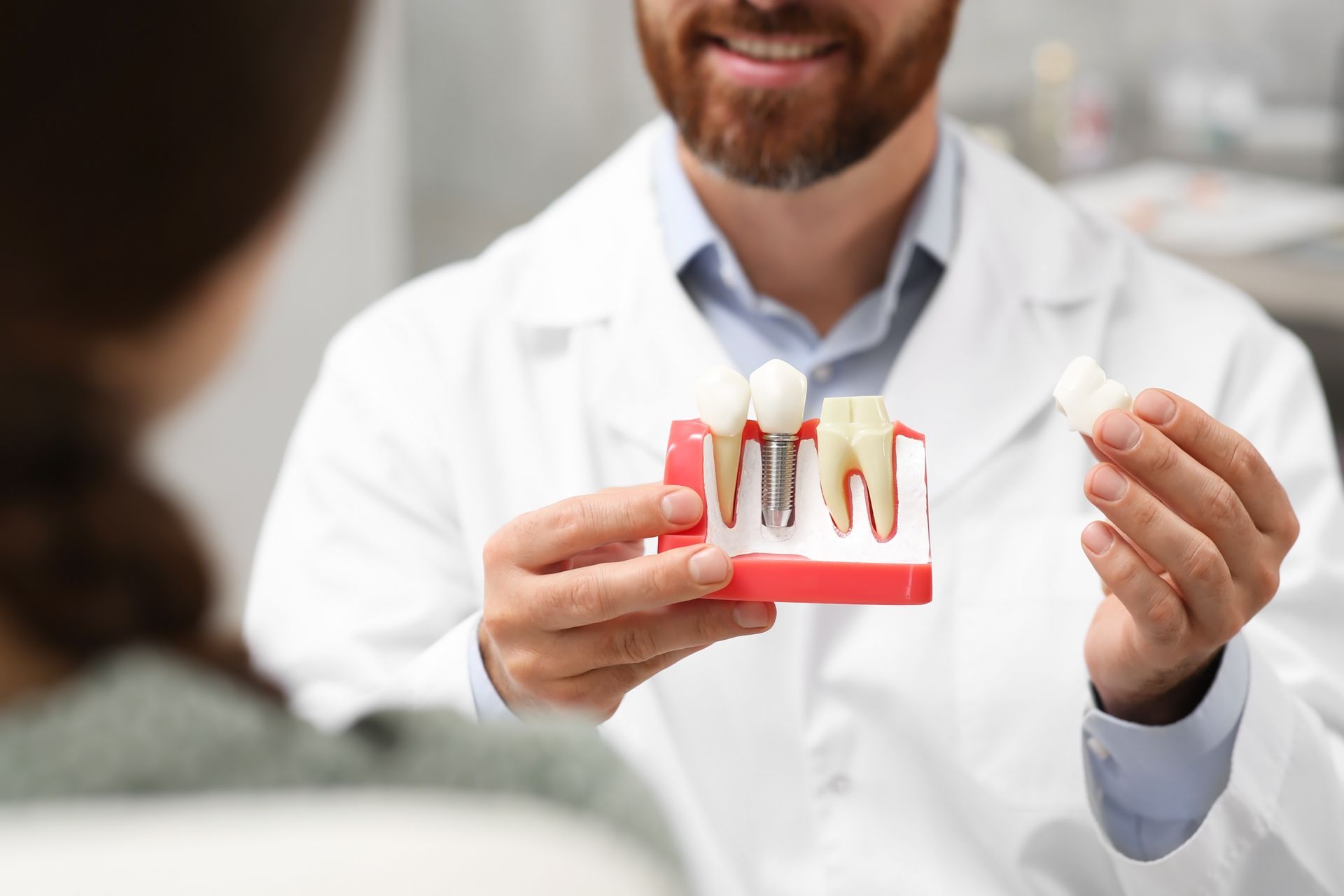
The titanium post and the crown are not living tissue, so they cannot get cavities. But the gum and bone surrounding the implant are very much alive, and they can become inflamed and infected when plaque accumulates. This condition, called peri-implantitis, is the leading cause of implant failure. Our guide on whether dental implants can get cavities explains this distinction in detail.
Plaque Is the Real Enemy
Plaque builds up on an implant crown the same way it does on a natural tooth. Left alone, it hardens into tartar, irritates the gums, and can eventually cause the bone around the implant to break down. Once that bone is lost, the implant loosens. Removing plaque daily is the single most important thing you can do.
The tricky part is that plaque around an implant often causes no pain in its early stages. A natural tooth with decay or infection usually hurts, which prompts a visit. An implant can have developing gum inflammation with no obvious symptom until it is more advanced. That is exactly why a consistent daily routine, rather than waiting for a problem to announce itself, is the right approach.
Good Cleaning Protects a Major Investment
A dental implant is a significant investment of time and money. The difference between an implant that lasts 10 years and one that lasts a lifetime often comes down to daily care. A few minutes a day protects everything that went into placing it.
Your Daily Dental Implant Cleaning Routine
Here is the routine we recommend to implant patients, step by step.
Brush Twice a Day
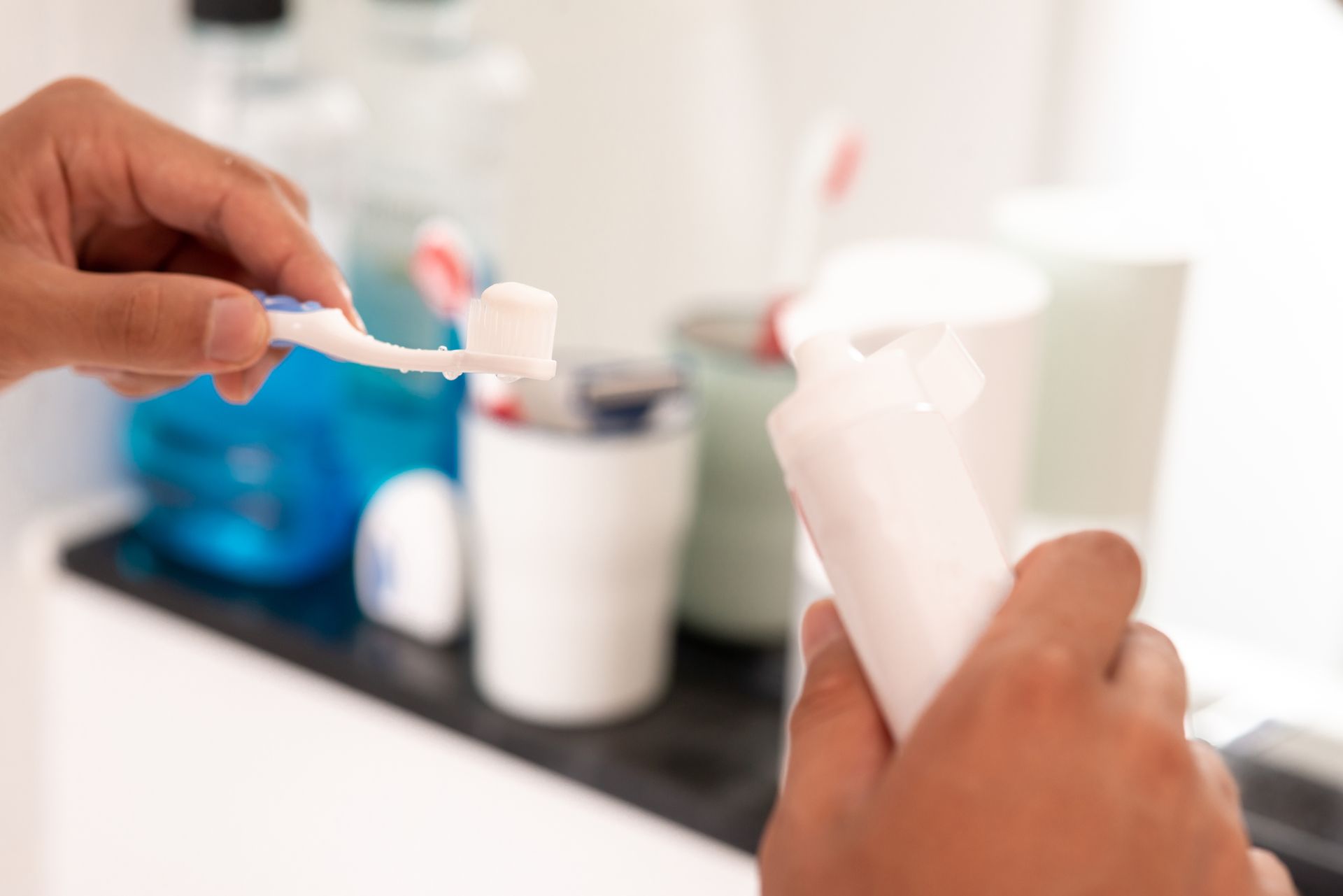
Use a soft-bristled toothbrush and brush for two full minutes, morning and night. Angle the bristles toward the gum line and use gentle circular motions. The area where the crown meets the gum is where plaque hides, so give it extra attention. Electric toothbrushes work well and are gentle when used correctly.
Clean Under and Around the Implant Once a Day
This is the step people skip, and it matters most. Plaque collects where the implant meets the gum and, for bridges, underneath the prosthetic. Use one of these once a day: floss designed for implants, a water flosser, or an interdental brush. The goal is to disrupt plaque in the spots a toothbrush cannot reach.
If you use a water flosser, start on the lowest setting and aim the stream along the gum line and under any bridgework. If you use implant floss, gently wrap it around the base of the implant in a C-shape and slide it along the surface. The motion matters more than the force, so be thorough but gentle.
Rinse With an Alcohol-Free Mouthwash
An alcohol-free antibacterial rinse helps control bacteria without drying out the mouth. Dry mouth actually makes plaque worse, so skip the high-alcohol rinses. This step is optional but helpful, especially for implant-supported bridges.
Stay Consistent
Consistency beats intensity. A gentle routine done every single day protects an implant far better than aggressive cleaning done occasionally. The bacteria that threaten implants rebuild daily, so daily disruption is what keeps them in check.
The Best Tools for Cleaning Implants
The right tools make the routine easier and more effective. None of them are expensive or hard to find.
- Soft-bristled toothbrush: Manual or electric, always soft. Hard bristles can scratch the crown and irritate the gums.
- Non-abrasive toothpaste: Avoid heavily abrasive whitening pastes, which can dull the crown surface over time.
- Water flosser: Excellent for implants and especially for implant-supported bridges, flushing debris from under and around the prosthetic.
- Interdental brushes: Small brushes that fit between teeth and around implant abutments, good for reaching tight spaces.
- Implant-specific floss: Thicker, often with a stiff threader end, designed to clean under bridges and around implant crowns.
- Alcohol-free antibacterial rinse: Controls bacteria without the drying effect of alcohol-based rinses.
You do not need all of these. Most patients do well with a soft brush, one cleaning tool for under the implant (water flosser or interdental brush), and regular checkups. Your dentist or hygienist can recommend the right combination for your specific implant.
Tool Comparison at a Glance
| Tool | Best For | How Often | Notes |
|---|---|---|---|
| Soft-bristled toothbrush | All implants, daily brushing | Twice daily | Manual or electric, never hard bristles |
| Water flosser | Under bridges and full-arch | Once daily | Easiest for hard-to-reach areas |
| Interdental brush | Around single crowns and abutments | Once daily | Good for tight spaces |
| Implant floss with threader | Under bridges, around crowns | Once daily | Thicker than regular floss |
| Alcohol-free rinse | Extra bacteria control | Once or twice daily | Optional, avoid alcohol versions |
| Non-abrasive toothpaste | All implants | Every brushing | Skip abrasive whitening pastes |
How to Clean Different Types of Implants
Cleaning varies a little depending on what kind of implant restoration you have.
Single Implant Crown
A single implant with a crown is cleaned much like a natural tooth: brush all surfaces, and clean around the base where it meets the gum once a day with floss or an interdental brush. This is the simplest type to maintain.
Implant-Supported Bridge
A bridge spanning several teeth on implants needs extra attention underneath, where food and plaque collect. A water flosser or implant floss with a threader is the most effective way to clean under the bridge daily. This step is essential, because the area under a bridge is the most common spot for trouble to develop.
Full-Arch or All-on-4 Restoration
A fixed full-arch restoration stays in the mouth permanently and needs daily cleaning underneath the prosthetic. A water flosser is usually the most practical tool, along with specialized floss and regular professional cleanings. Patients with full-arch restorations benefit most from a consistent daily routine because there is more surface area to keep clean.
The gap between the underside of the full-arch bridge and the gum is where debris and plaque collect most. Aiming a water flosser along that entire span once a day, from one end to the other, is the most effective home routine. Your dentist may also recommend a specific threading floss for the areas a water flosser cannot fully reach. Because these restorations involve several implants working together, keeping the surrounding tissue healthy protects all of them at once.
Common Cleaning Mistakes to Avoid
A few habits work against your implant without you realizing it.
- Skipping the under-implant cleaning. Brushing alone leaves the most vulnerable area untouched. The daily floss or water flosser step is the one that prevents peri-implantitis.
- Using abrasive or whitening toothpaste. These can scratch the crown surface, making it easier for plaque to stick.
- Brushing too hard or with hard bristles. Aggressive brushing irritates the gums and offers no benefit. Gentle and consistent wins.
- Using metal tools at home. Standard metal dental scalers can scratch the implant surface. Leave the scaling to your hygienist, who uses implant-safe instruments.
- Ignoring the gums because the implant cannot decay. The gum and bone are what hold the implant in place. Healthy gums are the whole point of cleaning.
- Skipping professional cleanings. Home care cannot replace the deeper cleaning and monitoring that happens at your checkup.
Professional Cleanings and Checkups
Daily home care handles most of the work, but professional visits catch what you cannot.
What Happens at an Implant Checkup
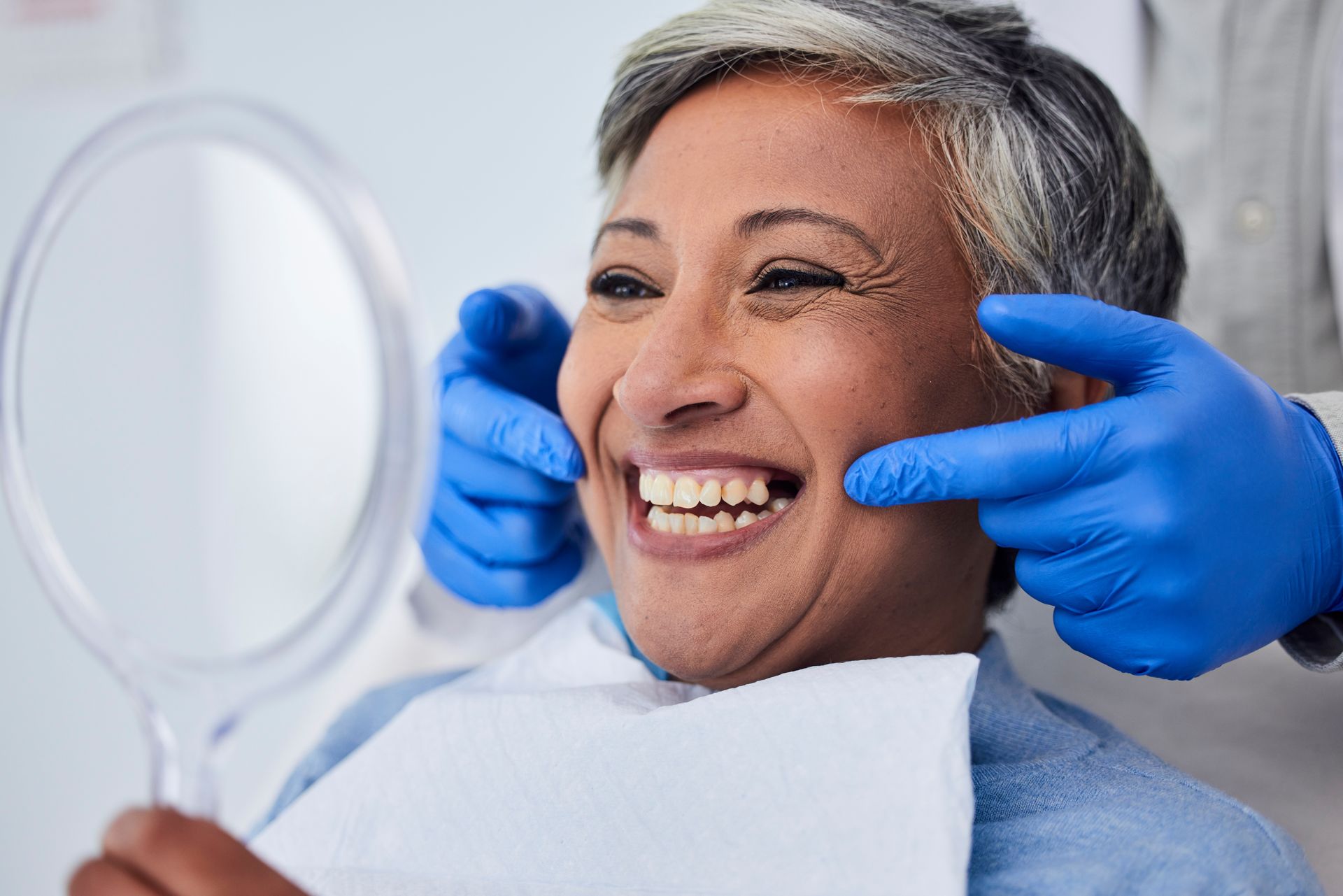
Your hygienist cleans the implant with instruments designed not to scratch the titanium or the crown. Your dentist checks the gum health around the implant, looks for any signs of inflammation, and may take an X-ray periodically to confirm the bone around the implant is stable. This monitoring catches small problems while they are still easy to fix.
How Often to Go
Most implant patients should be seen every six months, the same as for natural teeth. Patients with a history of gum disease, multiple implants, or full-arch restorations may be asked to come more often. Our preventative dentistry page explains how these visits protect both implants and natural teeth.
Why It Matters for Implants Specifically
The early stages of peri-implantitis often have no symptoms you would notice at home. A professional exam catches gum inflammation and early bone changes before they become serious. This is why skipping checkups is one of the bigger risks to an implant's lifespan.
Warning Signs to Watch For
Most of the time, a well-maintained implant gives you no trouble. But a few signs warrant a call to your dentist.
- Bleeding gums around the implant when brushing or flossing
- Red, swollen, or tender gum tissue near the implant
- Persistent bad breath or a bad taste coming from the implant area
- Gum recession that exposes more of the implant
- The implant or crown feeling loose or shifting
- Pain or discomfort when biting or chewing on the implant
These can be early signs of infection or other issues. Catching them early makes them far easier to treat. Our guide on
dental implant failure signs goes deeper into what each sign can mean and when to act.
Habits That Help Implants Last
Beyond daily cleaning, a few lifestyle habits make a real difference in how long an implant lasts.
Do Not Smoke
Smoking is one of the biggest threats to implant health. It restricts blood flow to the gums, slows healing, and significantly raises the risk of peri-implantitis and implant failure. Quitting, or at least not smoking, protects the implant.
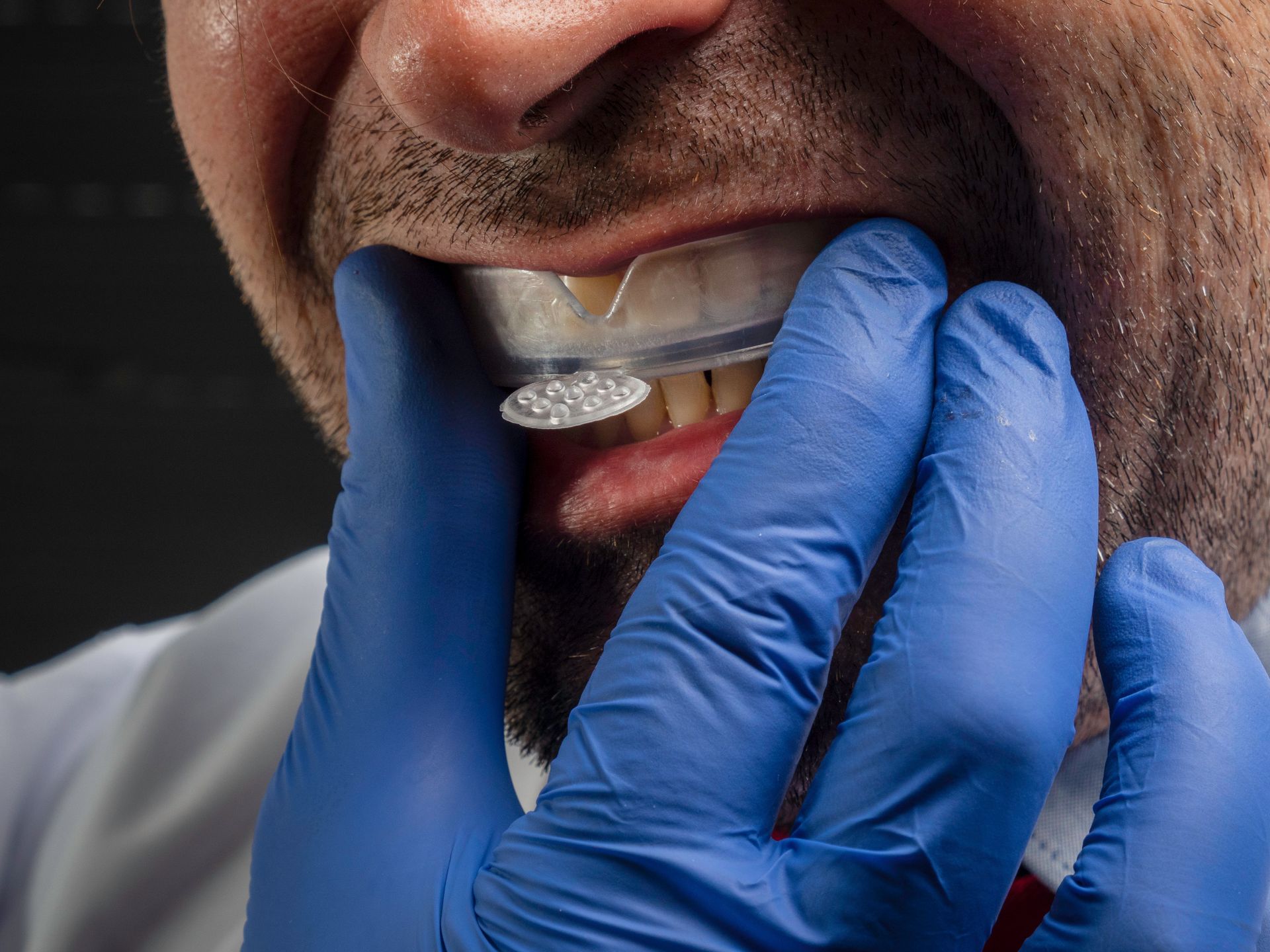
Wear a Night Guard If You Grind
Grinding or clenching puts excessive force on implants, just as it does on natural teeth and crowns. If you grind at night, a custom night guard protects both your implants and your natural teeth from that force. Many people grind without realizing it, so if you wake with jaw soreness or notice wear on your teeth, mention it at your next visit. Patients dealing with jaw tension may also want to read about our TMJ and headache treatment, since grinding and jaw issues often go together.
Watch Hard and Sticky Foods
The crown on an implant is strong but not indestructible. Biting ice, hard candy, or very hard foods can chip a crown. Sticky foods can pull at restorations. Moderation protects the prosthetic.
Keep Up With General Oral Health
Healthy natural teeth and gums support healthy implants. Gum disease anywhere in the mouth raises the risk for the implant, so caring for your whole mouth matters. For patients who had implants placed recently, our
recovery from dental implants guide covers the early care that sets the foundation for long-term success.
Keep Your Implants Healthy for Life
Dental implants are one of the most reliable ways to replace missing teeth, and with good care they can last a lifetime. The routine is not complicated: brush gently twice a day, clean under and around the implant once a day, avoid the common mistakes, and keep your professional checkups. That consistency is what protects the investment.
If you have questions about caring for your implants, or if you have noticed any of the warning signs above, the team at Ufberg Dental is here to help.
Contact us to schedule a checkup or cleaning. We see patients across Berwyn and the Main Line, and we are happy to walk through a cleaning routine tailored to your specific implant.
Frequently Asked Questions
Can dental implants get cavities?
No. The titanium post and the crown are not living tissue, so they cannot decay. But the gum and bone around the implant can become infected from plaque, which is why daily cleaning is so important. The implant itself is cavity-proof; the tissue holding it in place is not.
How often should I clean my dental implants?
Brush twice a day and clean under and around the implant once a day, the same frequency as caring for natural teeth. The difference is the tools and the attention to the gum line and, for bridges, the area underneath the prosthetic.
What is the best tool to clean under a dental implant bridge?
A water flosser is usually the most effective and easiest tool for cleaning under an implant-supported bridge. Implant floss with a threader and interdental brushes also work well. Many patients use a combination.
Can I use an electric toothbrush on dental implants?
Yes. Electric toothbrushes are safe and effective for implants as long as you use a soft brush head and gentle pressure. Many patients find they clean more thoroughly with an electric brush.
What happens if I do not clean my dental implants properly?
Plaque builds up around the implant and can cause peri-implantitis, an infection of the gum and bone that hold the implant in place. Left untreated, this can lead to bone loss and implant failure. Good daily care and regular checkups prevent this.